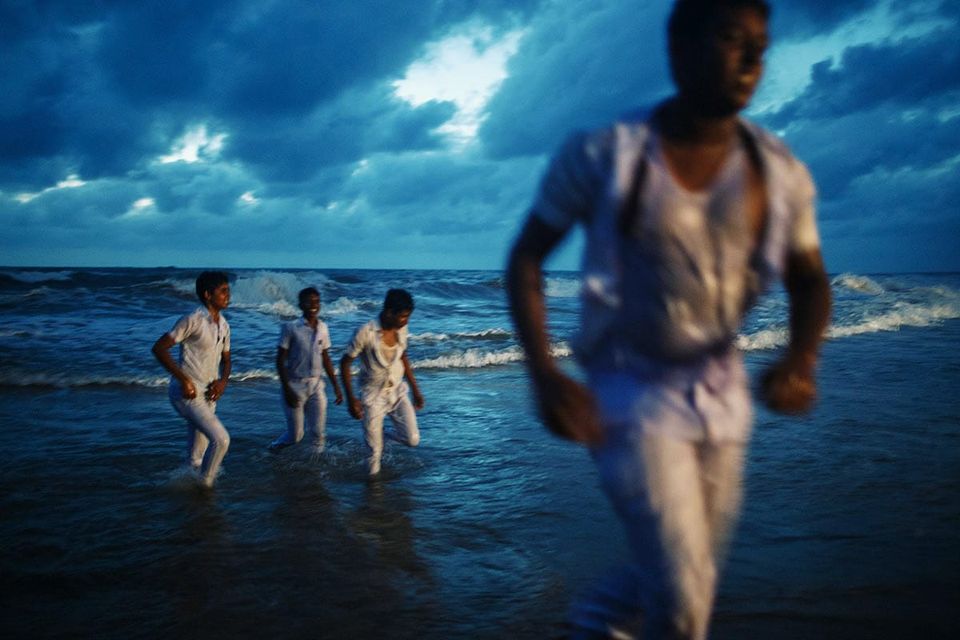
Spotlight Why do A-level students wait 1.5 years for university to begin? Words by The Examiner The Exams Department manually uploads every test score, while the UGC takes a long time verifying each candidate’s residence. Some universities are teaching five or six cohorts at once. It wasn’t always this way: students once entered university just six months after sitting their exams. Read more →
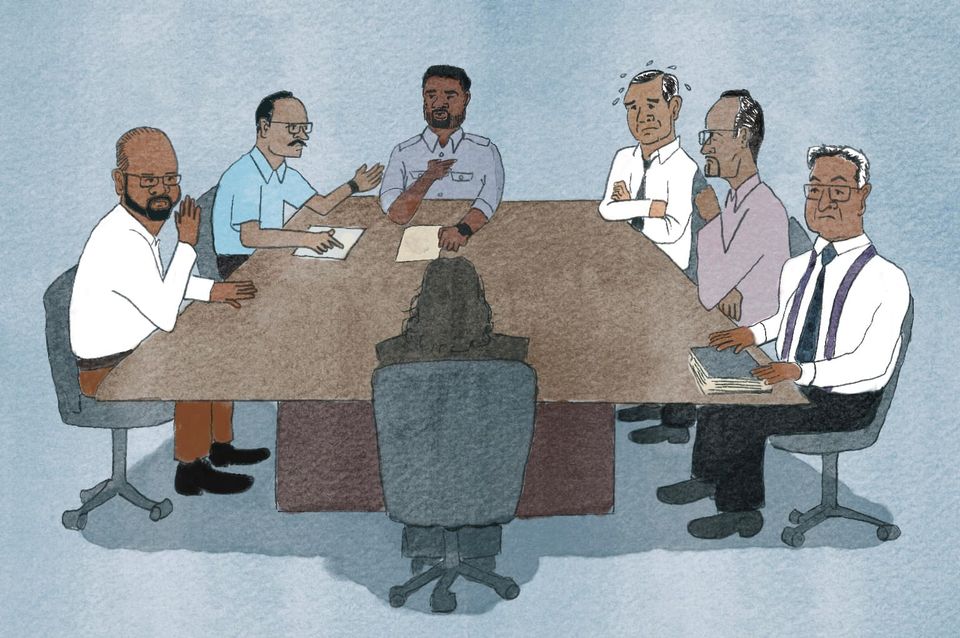
Has the JVP swallowed the NPP? Words by The Examiner “There is no difference between the NPP and JVP, ” said Mahinda Jayasinghe, a JVP trade unionist and deputy minister. In the last two years, the JVP recruited NPPers into its ranks, consolidated its decision-making power, and ran political classes for NPPers. Some NPPers are now disillusioned. Read more →
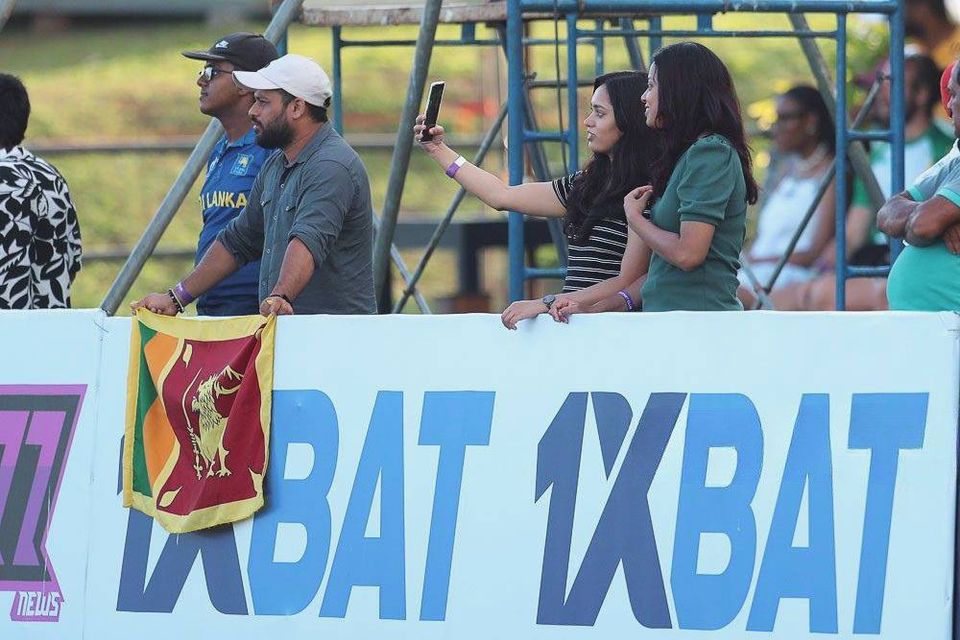
Sri Lanka Cricket still profiting from illegal gambling advertising Words by The Examiner Prominent banners for illegal, offshore gambling sites dominate Sri Lanka’s cricket stadiums and screens. They’re often targeting Indians. Online gambling is banned in India, but Sri Lanka Cricket’s wink-and-nod approach gives them a loophole. Read more →
Spotlight Colombo teens fear social media ban, a 17-year-old reports Words by The Examiner Adults think they know what kids are up to on social media. They don’t. How do children and teenagers actually use the apps, and what do they think of plans to ban them? Seventeen-year-old Nadia Nagpal asks her fellow teens to find out. Read more →
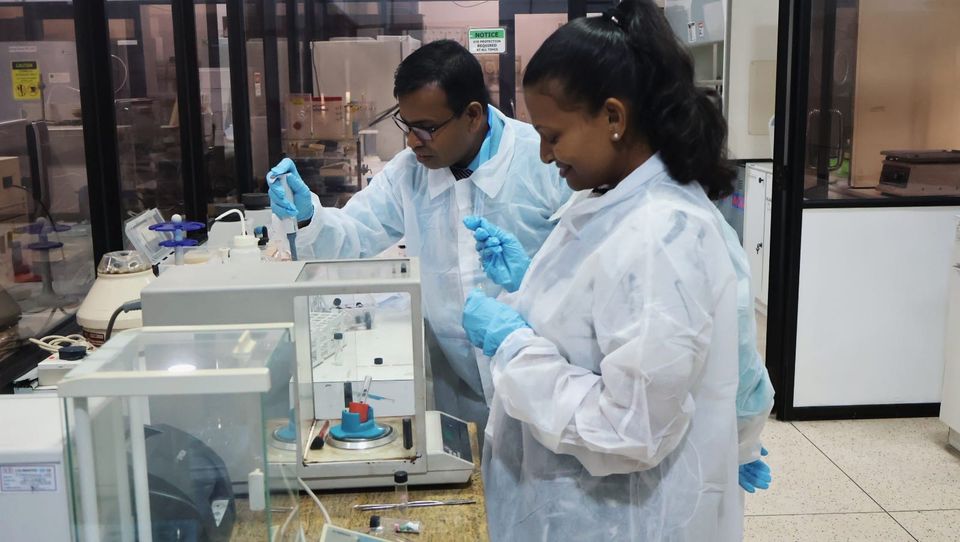
Police's drug war floods forensic lab, many samples fake Words by The Examiner The narcotics division at the government’s forensics lab is struggling. Drug wars under Wickremesinghe and now Dissanayake led to drug samples doubling in four years. The lab’s over six months late to test 25,000 drug samples so a third of the prison population is stuck in remand, awaiting bail. Read more →
Spotlight AKD's ministers dither more than they deliver — inside a cabinet still finding its feet Words by The Examiner Bimal is bullish but effective. Anil Jayantha consults everyone for everything. Harshana has no vision. Meet the cabinet’s cast of characters, and the shadow cabinet that keeps a close watch. Read more →
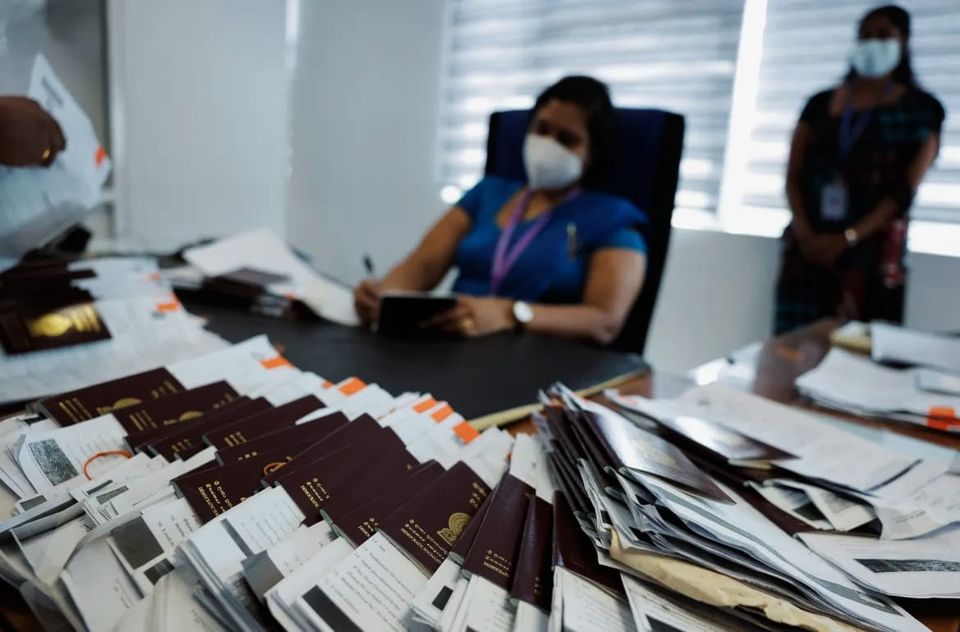
Why Sri Lanka’s overstaffed civil service struggles to issue passports or buy drugs Words by The Examiner From passports and driving licences to drugs and fuel, the civil service struggles to deliver. Even though it’s overstaffed thanks to politicians, the government is “always breakdown”. A key problem is the quality of top civil servants, who are paid a fraction of their Indian counterparts. Read more →
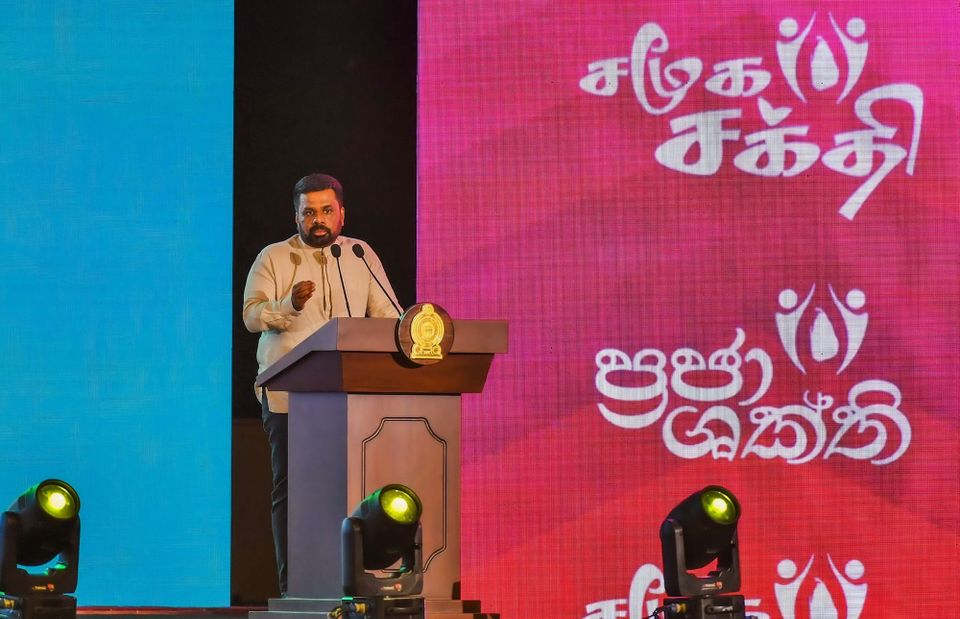
Praja Shakthi empowers Pelawatte, not the people Words by The Examiner “We were appointed to do the JVP cadres’ bidding, not to do what the village needs,” says a former Praja Shakthi chair. The opposition argues that the poverty eradication programme is “capturing the state” and leading to “one party rule”. The NPP says Praja Shakthi law is “still under discussion”. Read more →
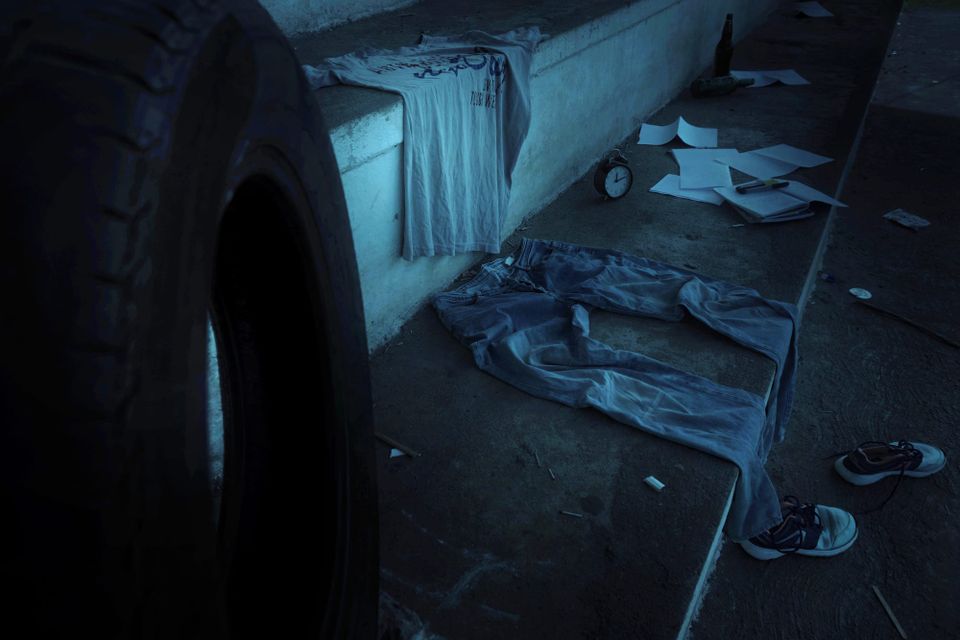
Despite Supreme Court orders, impunity for raggers often prevails Words by The Examiner Ragging has been illegal for almost three decades. The Supreme Court has issued strict anti-ragging orders. Universities have marshals and hotlines. But students continue to suffer serious injuries. Read more →
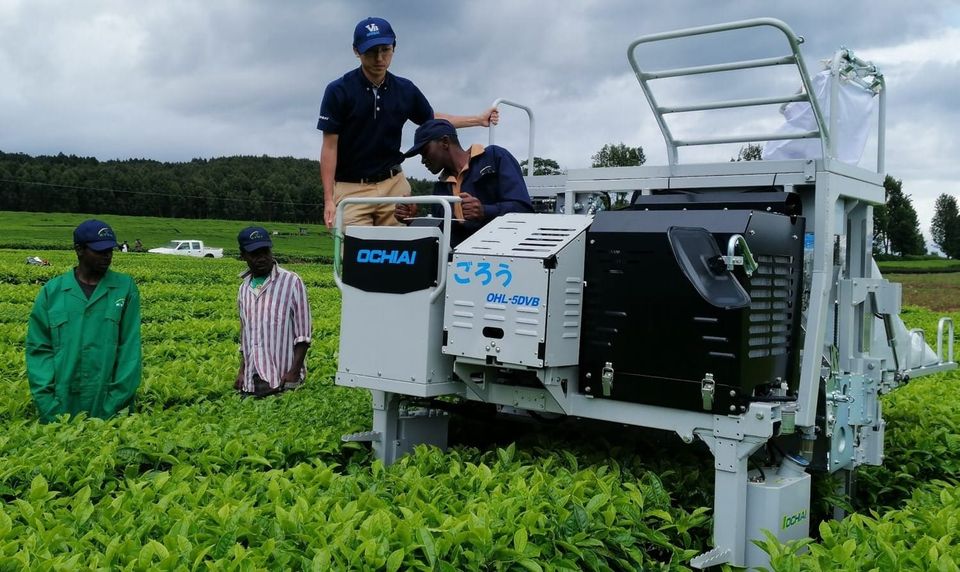
Can machines rescue Ceylon Tea? Words by The Examiner Around the world, tea estates are turning to drones and harvesting machines to manage labour shortages. But high equipment costs, hilly terrain, and concerns over quality will make the transition for Sri Lanka especially difficult. Read more →