
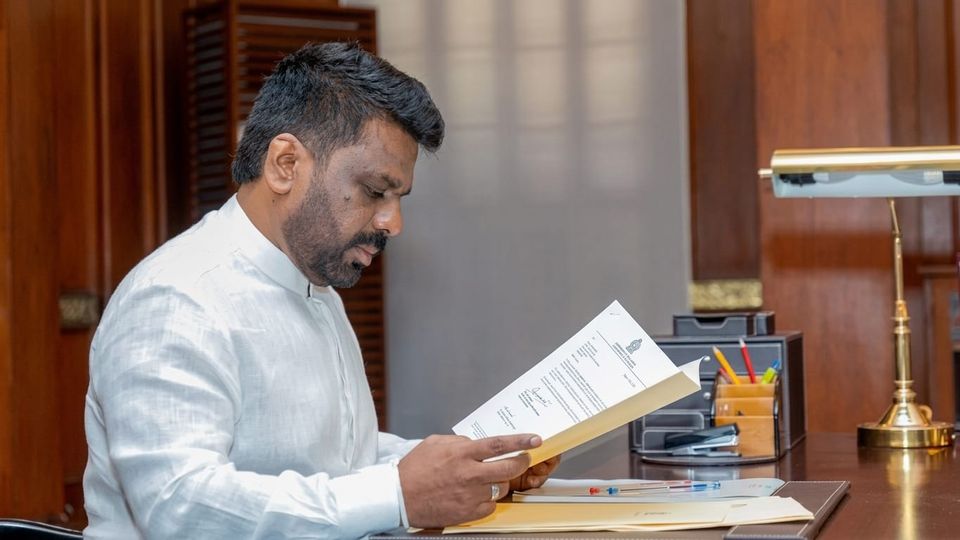
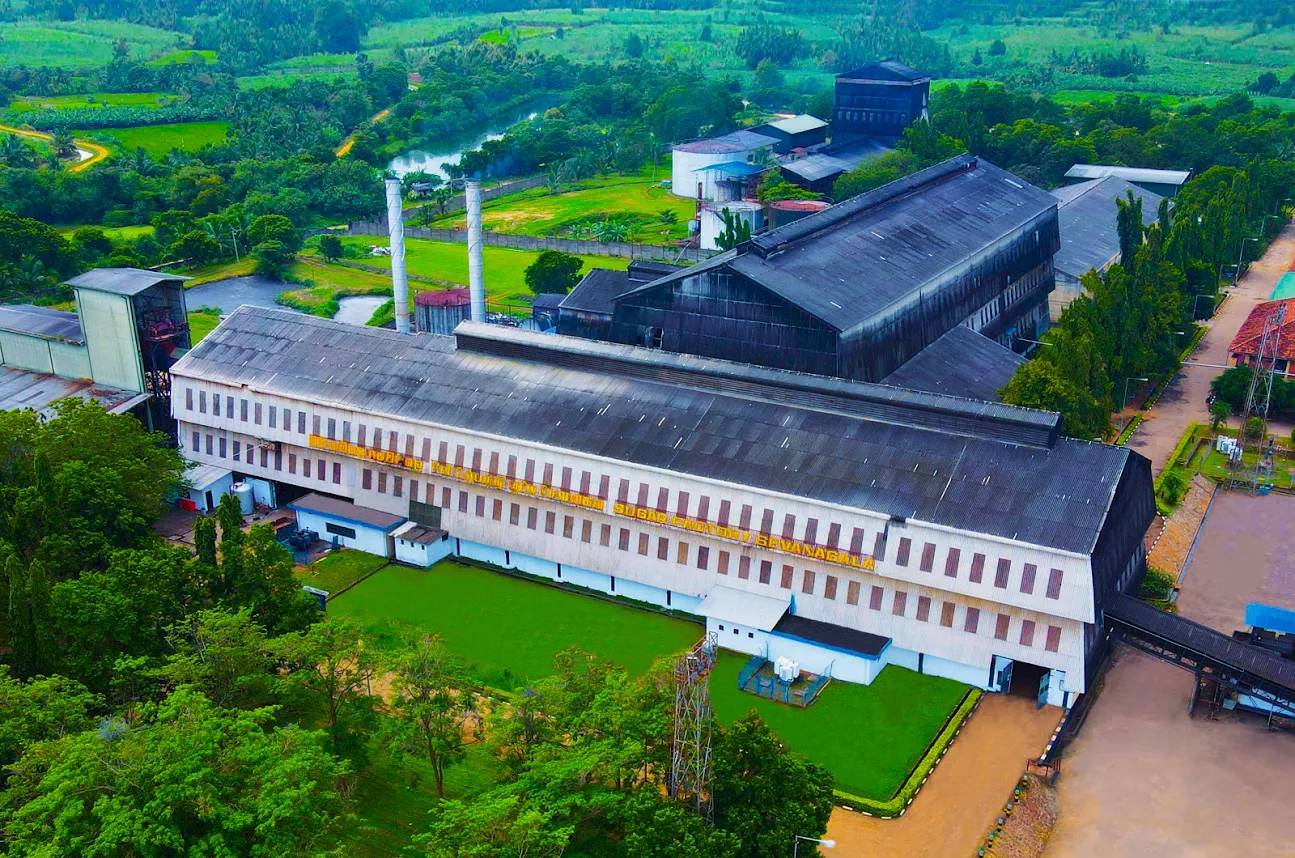
Sandamali Chandrasekera resigned as the chairperson of the Lanka Sugar Company, the main state-owned sugar company which owns land approximately half the size of Colombo city. She chose her principles over her position. In her resignation letter she complained that local politicians were pushing her to break the law.
“There were several instances where requests and expectations were conveyed to the company that would have required the violation of applicable circulars, regulations, and established legal procedures,” read her letter from last year.
She isn’t the only senior government appointee to resign during the NPP’s first two years in office. Over 16 officials quit during this time. They include governors, a mayor, heads of commissions and state-owned enterprises, a ministry secretary, and members of ministerial personal staff.
To understand what’s behind their departures, The Examiner spoke to eight of the sixteen. Two left for personal reasons, to focus on their families or because they felt their public service had reached a natural end.
The others took issue with how the government was being run, and how they were managed by ministers. Some felt micromanged, some felt their decisions were second-guessed, and some found the work simply too difficult.
“Capturing the state”
One top official who retired for “peace of mind” grumbled that ministers never committed to anything, leaving her guessing about who to ask for what. “My sense is that this goes to a committee within their [party’s] hierarchy.” She’d spent more than 30 years in government and headed her agency under two governments.
She complained that she was asked to stall her agency’s projects until the government thought through their policy and was ready to green light them. Instructions to wait weren’t justified or given in writing. “It's hard and you feel a bit stymied because if you work within the rules and regulations you should be able to do your work.”
With the government’s anti-corruption drive, her colleagues were timid, she felt, and unwilling to take responsibility and get on with it.
The government is keen to bend the state to its will. “We have the government’s power, but we must continue our struggle to capture state power. Only then will our struggle be complete, in a way,” declared K.D. Lal Kantha, a cabinet minister and JVP politburo member.
To capture state power, Eranga Gunasekara, the JVP youth wing’s national organiser and a deputy minister, is encouraging JVP youth to join the civil service. He thinks this will solve the problem of bureaucrats “not doing as [they] say”. In the interim, they’re also putting pressure on bureaucrats to implement their will. Although the government’s main frustration is with career bureaucrats like grama niladharis, divisional secretariats, and department staff , political appointees too are feeling the heat.
President Anura Kumara Dissanayake promised to make sure they’d be empowered to work without undue interference. When he appointed new governors for the island’s nine provinces at the Presidential Secretariat in September 2024, he instructed them to come straight to him if anyone tried to influence them. Sarath Abeykoon, the Central Province governor who later resigned for personal reasons, remembers that Dissanayake asked the governors to inform him if they’re pressured, “even from within the party”, though he did not expect such an eventuality.