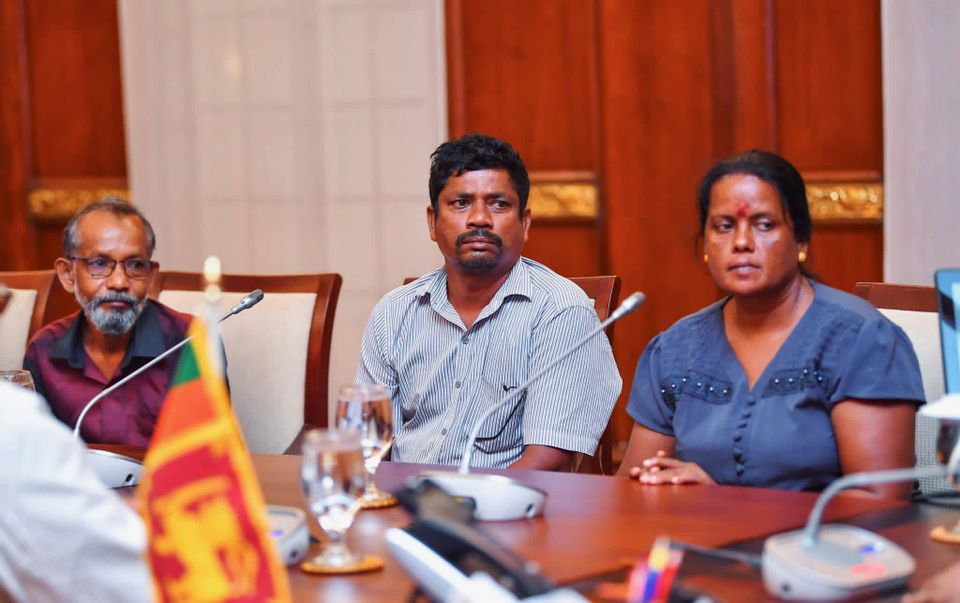
Spotlight Anojan’s family in the dark, didn’t know appeal could lead to death sentence Words by The Examiner When diplomats visited Sivarasa Anojan in Saudi prison, Anojan had asked them to appeal his five-year prison sentence. But the appeal backfired and he was sentenced to death. The foreign ministry has now retained three Saudi law firms as it gears up for a legal-diplomatic defence. Read more →
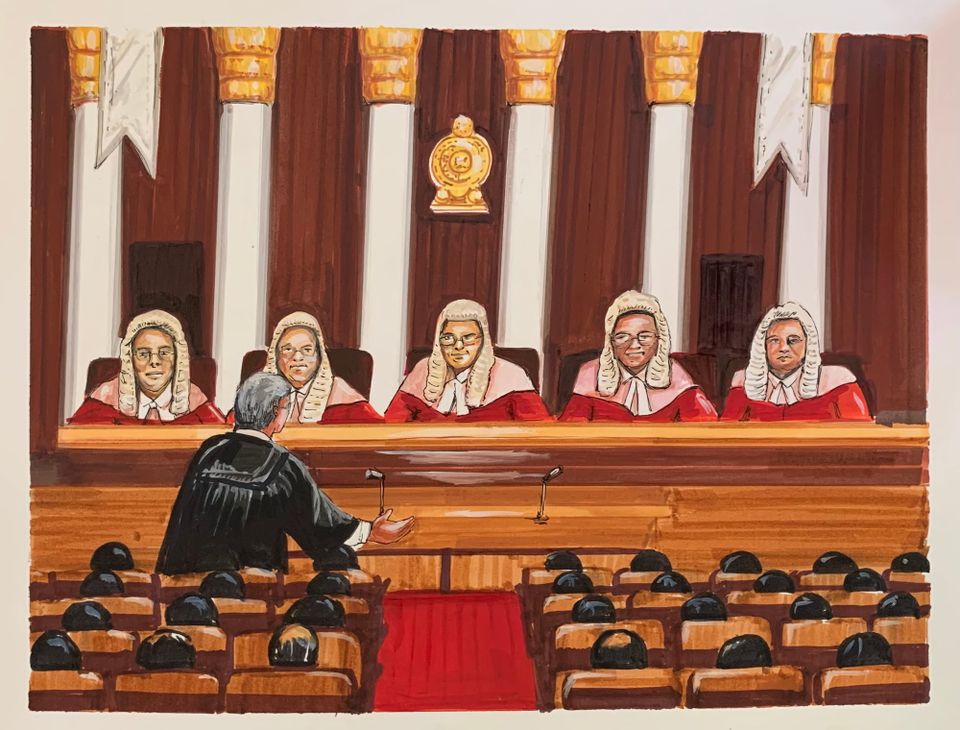
Spotlight 22A opens door for government to appoint majority of Appeal Court judges Words by The Examiner The Anti-corruption Act and the 22nd amendment to the constitution passed the Supreme Court’s scrutiny this week. Discussing civil servants’ and judges’ asset declarations will soon be illegal. The government will also be able to appoint a majority of Appeal Court judges. Read more →
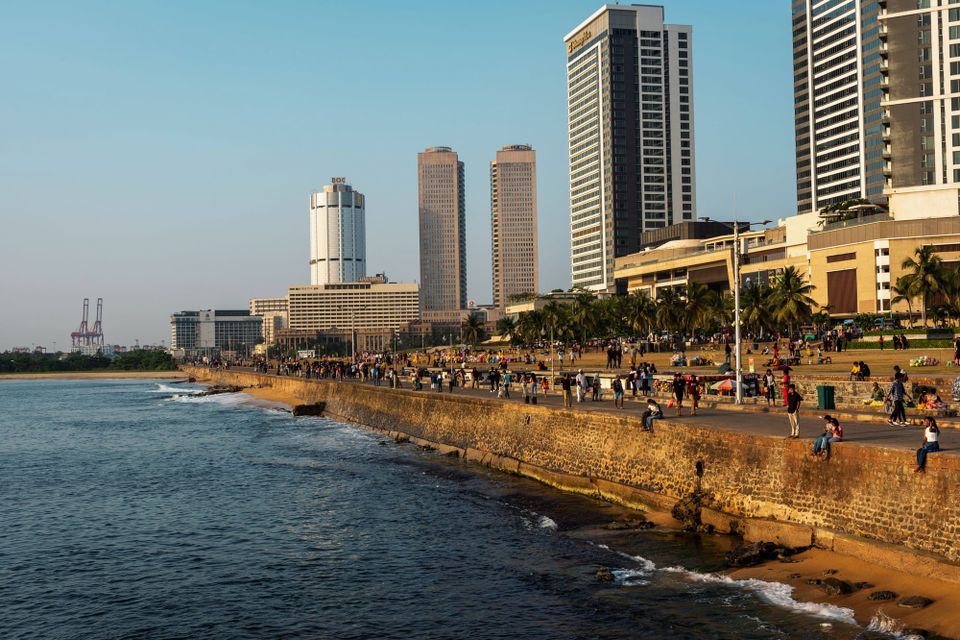
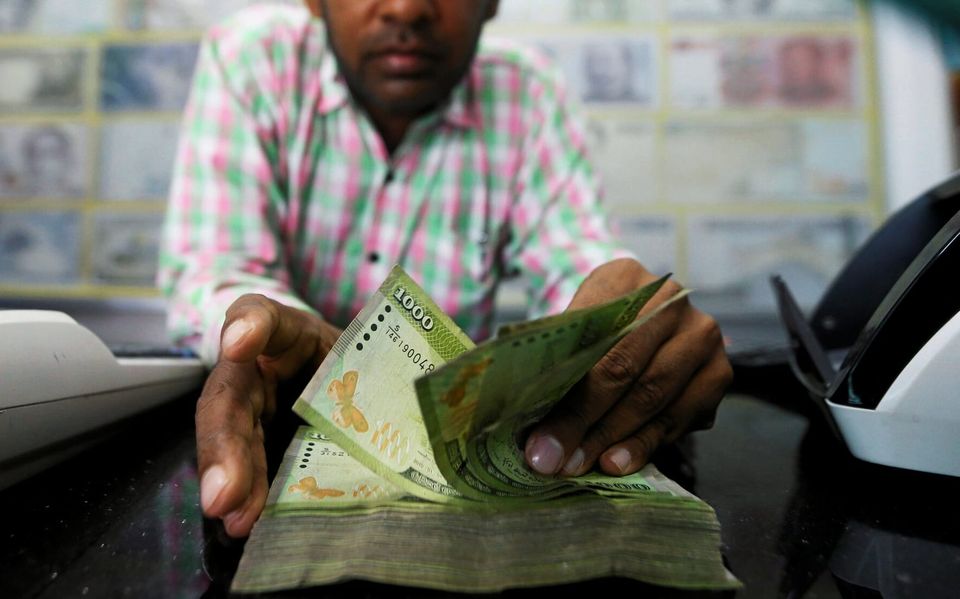
Credit rating upgrade unexpected, gains hinge on oil prices Words by The Examiner Sri Lanka’s credit score is back to where it was in 2020, before the fallout from covid-19 and the economic crisis. But the benefits of the credit rating upgrade may be cancelled out by high oil prices and global interest rates. Read more →
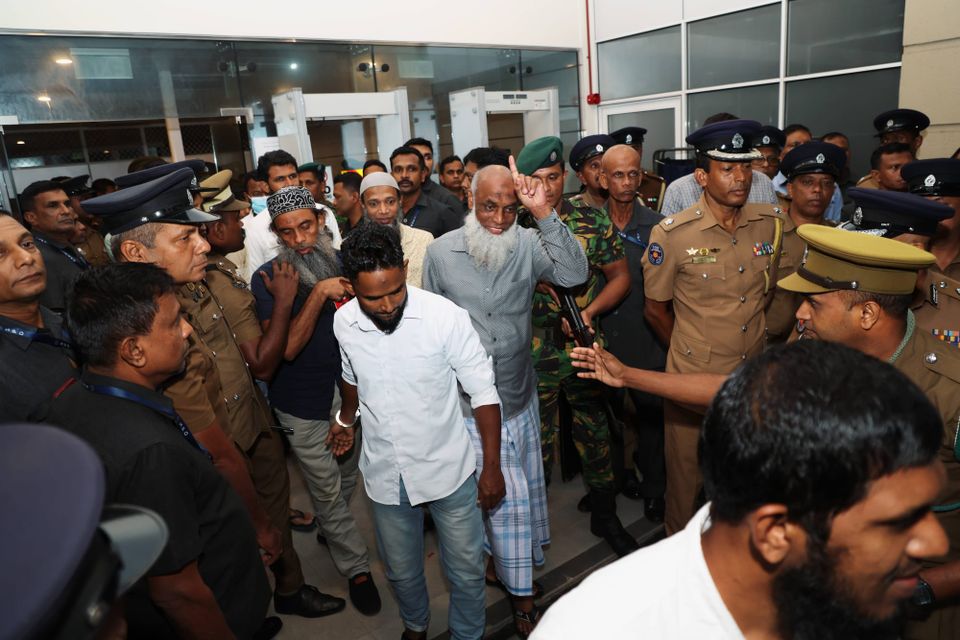
Easter Bombings judgement day: why nine were freed, and 15 sent to jail Words by The Examiner The Easter Bombings trial started in 2021. When the judgement was finally read-out this week over a 15-hour court day, nine were acquitted and 15 found guilty. The judges were careful to distinguish between committing a crime and merely being close to its perpetrators. Read more →
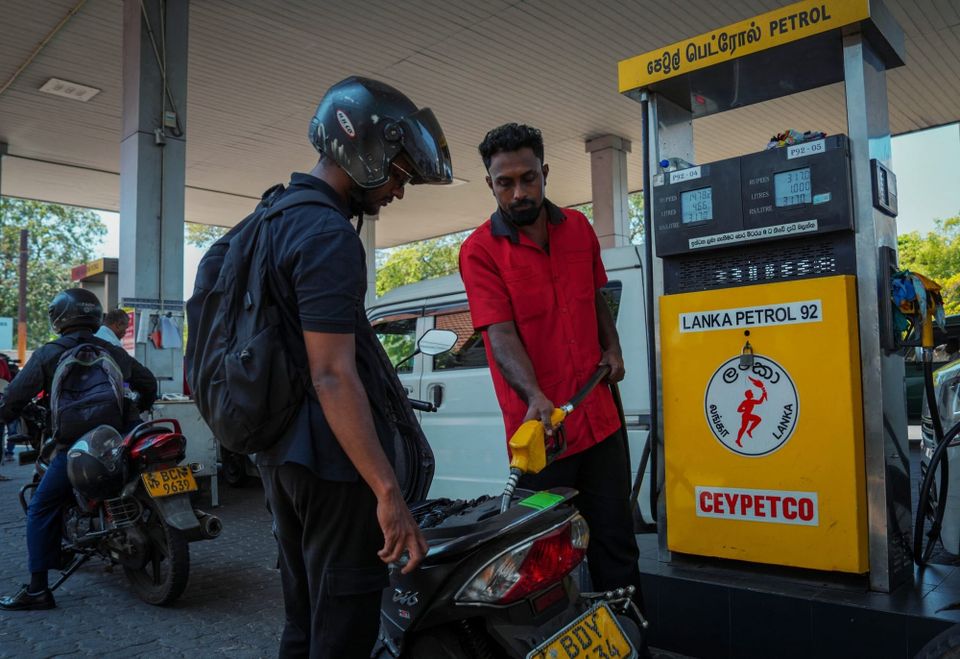
Fuel prices likely to rise, no electricity price hike expected Words by The Examiner With Hormuz unlikely to open this year, alternate pipelines under attack, and the Bab-el-Mandeb Strait newly closed to Saudi oil tankers, global oil prices have spiked. In Sri Lanka, the energy minister signals potential price hikes at the pump. Read more →
Suresh Sallay case update: police tell courts Bathiudeen helped Zahran travel to India Words by The Examiner When a military intelligence corporal got information from Tamil Nadu intelligence that Mohamed Zahran killed two policemen five months before the Easter Bombings, he said his superior asked him to look away. An ex-military intelligence director denies allegations made to the police. Read more →
Vijitha Herath says “no review” of Indo-Lanka defence pact during defence minister’s visit Words by The Examiner The first ever Indo-Lanka defence cooperation agreement was signed last year. Now the Indian defence minister is in town. The foreign minister told The Examiner that reviewing the agreement or its implementation wasn’t on the agenda. No joint statement was released during the visit. Read more →
Spotlight Cybersec agency detects more Facebook groups selling sexual photos Words by The Examiner Following social media outrage about Facebook groups sharing non-consensual sexual photos and teaching participants how to drug their victims, the authorities reported four more groups. Over the years Meta’s content moderation has gotten weaker, activists say. Read more →
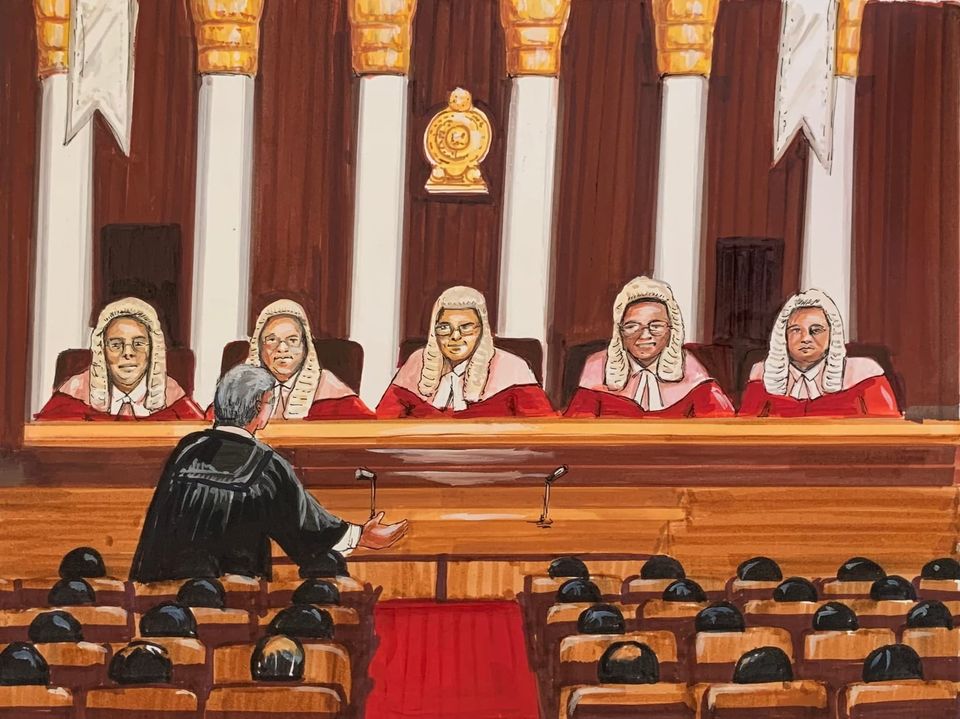
Chief Justice faces "double conflict" lawyers argue, Supreme Court burns midnight oil as 67 petitions challenge 22A Words by The Examiner Lawyers argued extending judges' terms requires a referendum and a full bench. They also think the Chief Justice should have recused himself, and called for more senior judges on the bench. The Attorney-General said they “failed to explain how the amendment impinges on the people’s sovereignty.” Read more →
Police investigating money laundered through 13 banks via phantom imports, some traced to drug lords in Dubai Words by The Examiner Jiffry Mohamed transferred $716 million from Lankan banks claiming they were payments for imports. But Police found there were no imports. They linked 105 dummy companies to Mohamed, along with over 200 bank accounts. Read more →