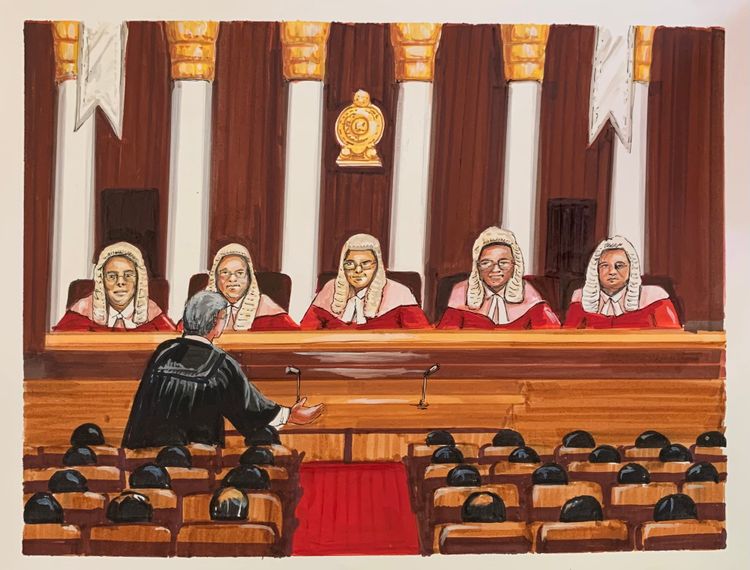
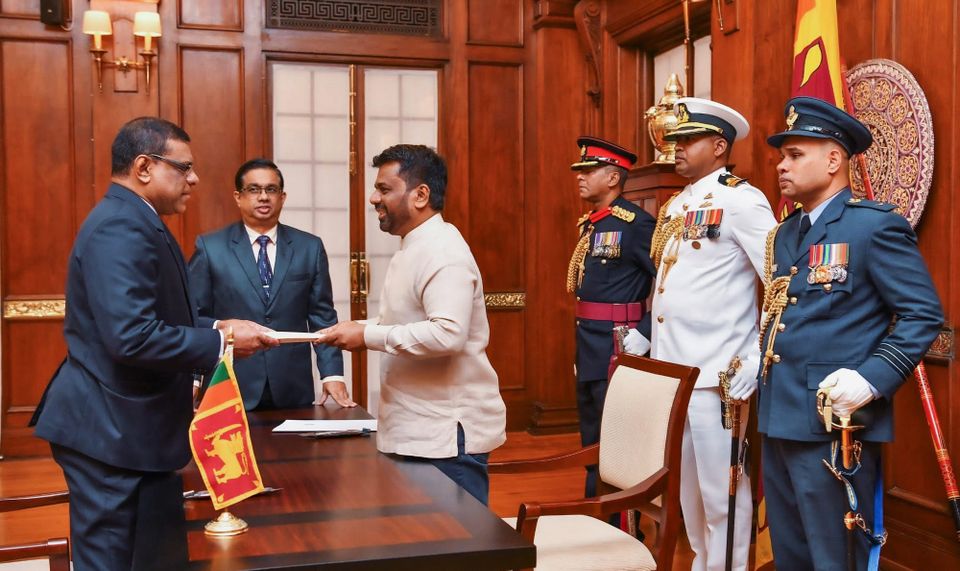
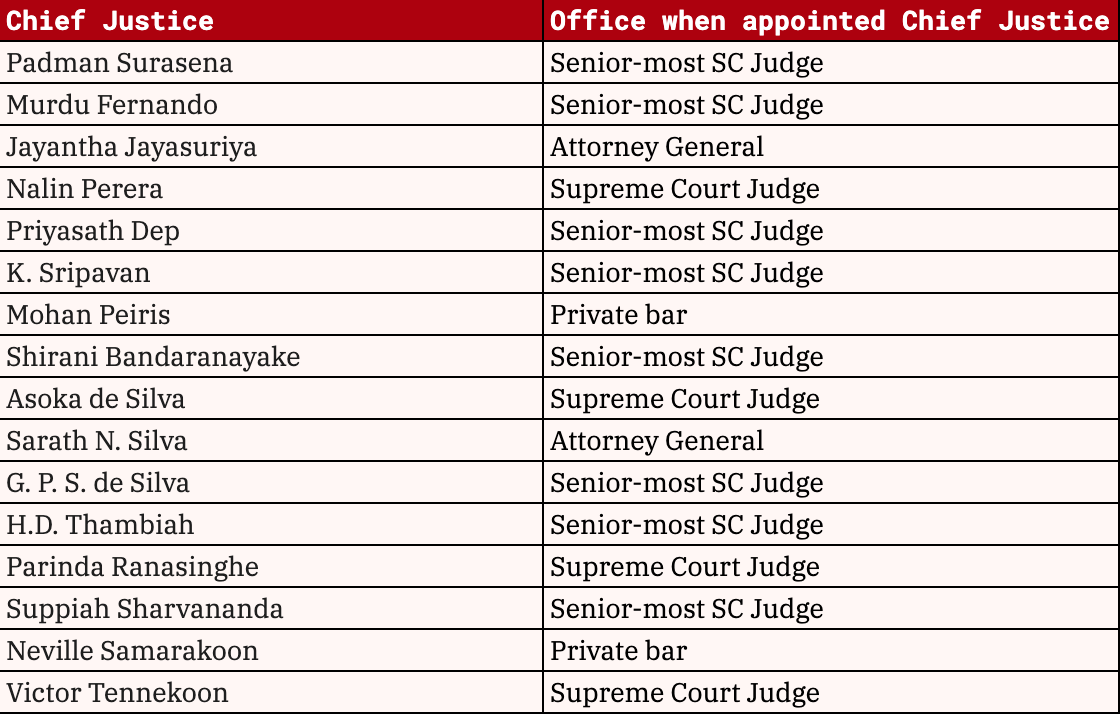
The government is mulling extending judges’ retirement ages. This comes as Preethi Padman Surasena, the current chief justice’s tenure approaches an end. He is due to retire by the end of the year, after his 65th birthday, unless the extension comes to pass. Generally the president appoints the next most senior judge as the chief justice – today, that’s Yasantha Kodagoda who is 61. Sometimes, instead of the next most senior judge, the attorney-general is chosen.
Surasena has been pushing for the fast completion of cases. He has appointed benches to conduct daily hearings and trials-at-bar on emblematic cases like the Greek bond scam and murder of Amarakeerthi Athukorala during the Aragalaya. He also created subject specific high courts in Colombo to expedite cases. A source close to NPP leadership says that President Anura Kumara Dissanayake is keen on completing all high profile cases quickly.
But Sunil Watagala, public security deputy minister, denied the president’s interest in keeping the current chief justice for longer, “we're talking about policy, not about something that only applies to one person.”
Lawyers and activists warn that changing judges tenures, which requires a constitutional amendment, threatens perception of judicial independence. When the opposition called for a debate in Parliament on what would be the 22nd amendment to the constitution, the speaker denied the request leading to parliamentary business’ disruption last week – the opposition attempted to confiscate the mace.
Harshana Nananayakkara, the justice minister, said that the idea is still at a conceptual stage. Ayesha Jinasena, the ministry secretary, said that the justice ministry hadn’t been made aware of any plans to extend the judges’ retirement age. “We haven’t been referred anything.”
What's the proposal?
In October last year, Faiszer Musthapha, a lawyer and opposition MP, presented a bill to extend supreme, appeal, and high court judges’ retirement age by two years.
The bill wasn’t voted on. But the government’s now planning on increasing the retirement age of all judges, not just the top courts.
Nanayakkara didn’t share details on what extensions exactly the government’s considering. He said that the justification is to retain knowledge in the court system for as long as possible.
“We think a high court judge should not retire at 61. In other jurisdictions they can go up to about 70. We don’t want to lose the judges at their prime to the private sector, while we continue to pay a pension.”
But the government hasn’t made a decision yet, he stressed.
Many Commonwealth countries have retirement ages of 70 years or over. But in South Asia this is not the case. Indian and Pakistani supreme court justices retire at 65. In Bangladesh all apex court judges retire at 67.
Lawyers unconvinced
With the government’s two-thirds majority, it has the numbers to amend the constitution. But for increasing high court and lower court judges retirement age a simple majority is enough, as it involves amending the Judicature Act rather than the constitution.
Despite the government’s claim that the proposal is meant to ensure justices at their prime remain in public service, many lawyers remain unconvinced.