
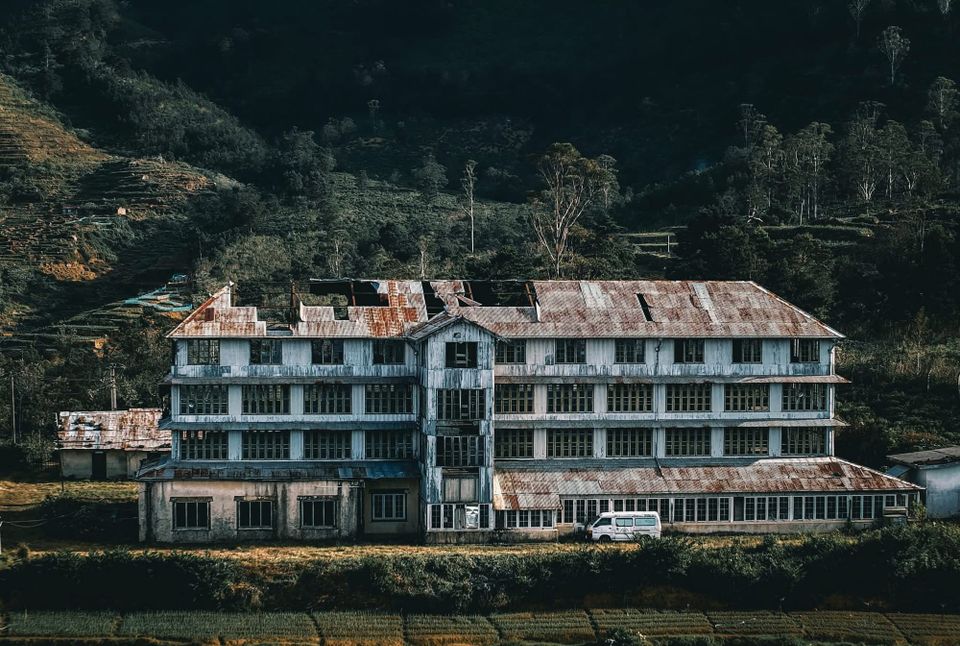
The estate leases of Sri Lanka’s 23 Regional Plantation Companies are expiring in 2045. No one – not the plantation companies, their staff or even the government – knows what will become of the land afterwards.
These leases cover 20% of the island’s arable land, for which companies pay only around 2.7 billion rupees, around $8 million, a year in rent. Except for three Regional Plantation Companies, or RPCs, all the others are privately owned.
The only indication so far of what will happen to the land is that Anura Kumara Dissanayake, the president, suggested terminating leases early, so that new ones more favourable to estate workers can be drawn up.
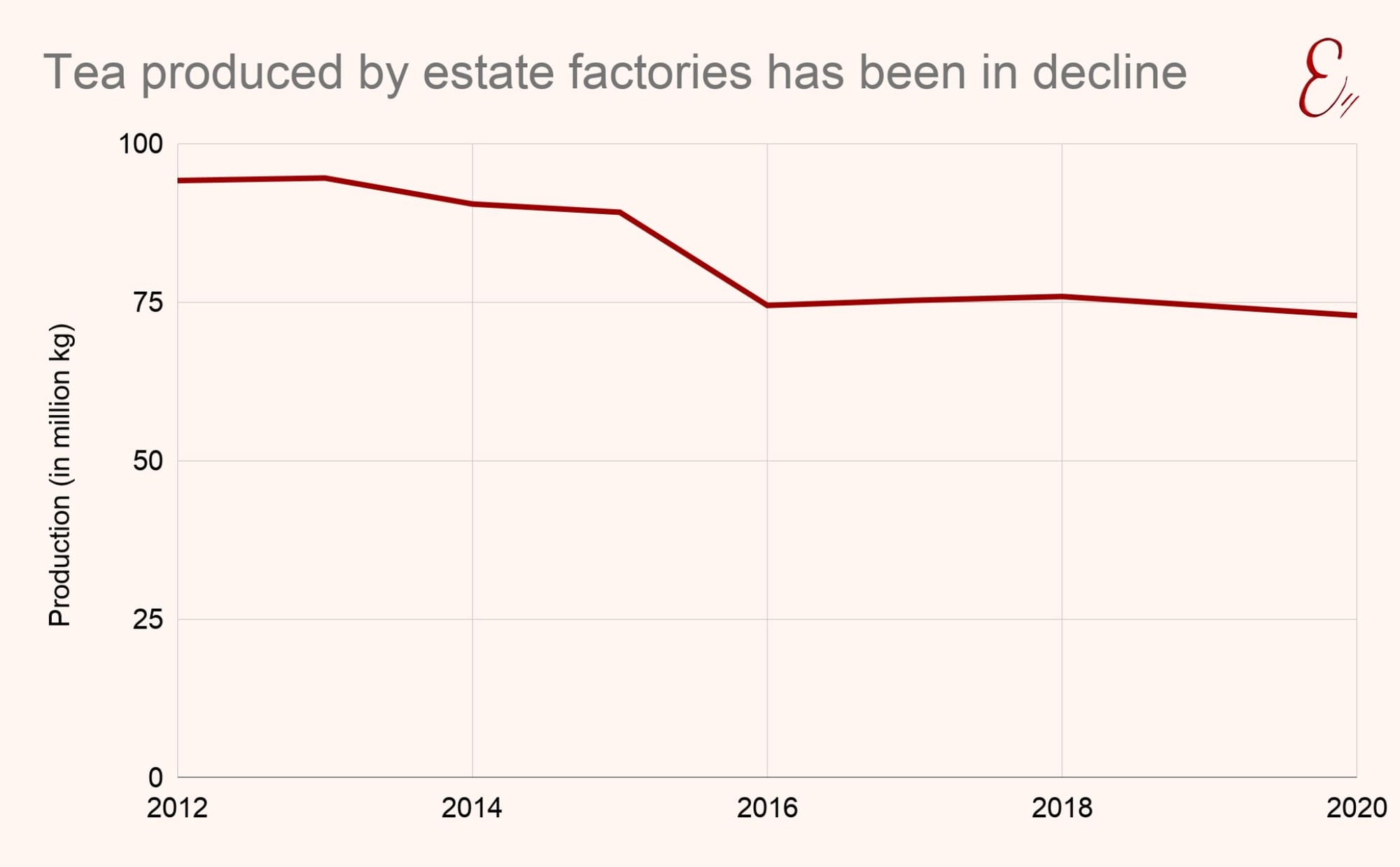
The legality of such a move aside, the uncertainty on what will be done with the leases — whether they will be torn up now, extended in 2045, or the land sold — is already having an effect on productivity. Plantation companies aren’t investing in replanting or technology as they’re scared they’ll be kicked-out before they can recoup their costs.
How leases affect performances
Plantation companies run their estates based on 53 year leases, a product of the 1990s privatisation of tea estates. The 19 years left on their leases is not enough time to break even on replanting costs.
While the Tea Research Institute recommends an annual replanting rate of 2% for tea plantations to maintain current yields, in reality, less than 1% of land is replanted each year.
A simple signal that leases will be extended may go a long way, but successive governments have failed to reassure plantation companies. In fact, they’ve done the exact opposite. For example, in 2022, Ranil Wickremesinghe, the then President, went so far as to threaten to expropriate underutilised and underperforming estate lands. Dissanayake’s recent statement to end the leases “as soon as possible” isn’t helping either.
This question about estate leases isn’t just relevant to the RPC shareholders. RPCs, particularly upcountry ones, hold some of the most arable agricultural lands in the country.
If the uncertainties surrounding lease extensions aren’t resolved, productivity will continue to dwindle. This will directly affect exports, as tea continues to be Sri Lanka’s highest net forex earner – imported inputs are minimal compared to apparel.
Proponents of selling
A blanket extension of the estate leases, merely to encourage replanting among the leaseholders, isn’t optimal. In fact it could even be counter-productive, continuing to reward underperforming RPCs.
Romesh Dias Bandaranaike, who led the plantations’ privatisation in the 1990s with then president Ranasinghe Premadasa’s blessing, has had three decades to reflect on the move and the estates’ future. Under his design, plantations were first clustered into RPCs, then leased out, and majority shareholding sold to private sector firms.
Today, Bandaranaike thinks it's time to move beyond the RPC model altogether. He sees the leases as a political compromise that was necessary in the 1990s, but not a model for the future.
Why is Bandaranaike, who jumped through so many political and administrative hoops, not a fan of blanket extensions of the leases he worked so hard to accomplish? It boils down to his views on the performance of RPCs since then. “We gave them a golden opportunity on a platter, and they did absolutely nothing with it.” Bandaranaike isn’t happy that most estates haven’t diversified beyond tea, or moved beyond the traditional plantation management model.
“We should sell the lands [freehold] to private buyers,” urges Bandaranaike. He thinks that such a process should be combined with granting some of the land to estate workers, along with some more land grants to the locals living right outside estates, so that there is no racial backlash. “Investors who buy these lands will need people to work on them, so it’s important that estate workers are incentivised to stay,” he says.
Bandaranaike is not alone in his thinking. Rohan Pethiyagoda, former chair of the Sri Lanka Tea Board, advocates to use the forthcoming lease expirations for a complete overhaul of Sri Lanka’s plantation model, which he calls “outdated”. In their current form, RPC leases lock estate lands into the cultivation of plantation crops, primarily tea. “Is tea the best crop everywhere in Sri Lanka tea is currently cultivated? No. Governments cannot prescribe the best use, enterprise should,” he quips.
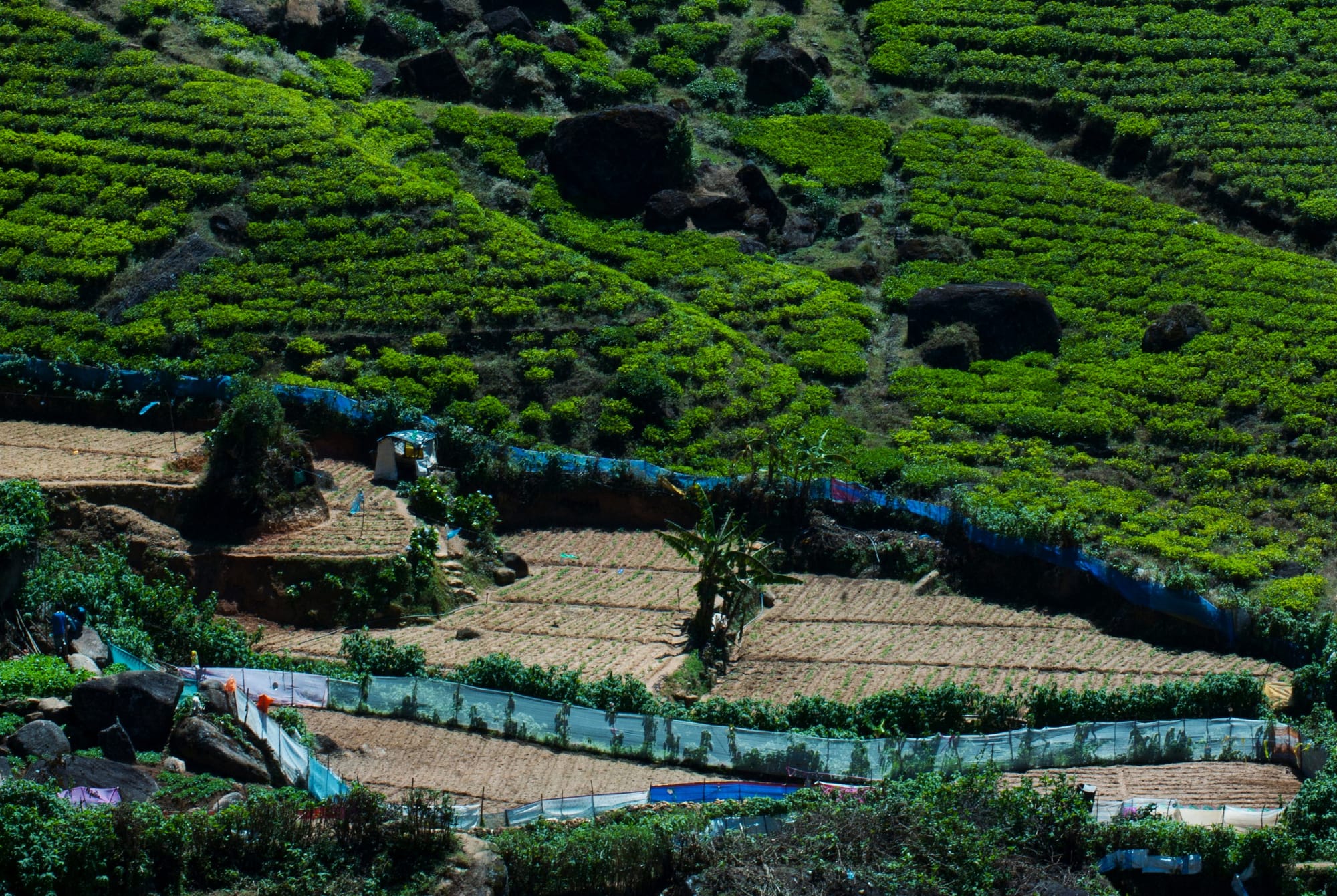
Many experts believe that premiumisation is the only way for Ceylon tea to stay viable with rising production costs, with labour accounting for 40 percent of processed tea’s cost of production. However, premiumisation necessarily means producing lower quantities of tea, which is difficult to do when so much land is locked into tea cultivation. If the estate leases are extended as is, Pethiyagoda says that the government would be prescribing another long-term industry roadmap — without knowing what will happen to the global tea trade.
Pethiyagoda also thinks the RPC model is feudal. “In advanced tea economies like South Korea, Taiwan, and Japan, workers don’t live at the workplace. And here we are still tying estate workers into a model that was designed in the colonial times,” he argued. He believes that any replacement to the RPC model should also end line housing, and give workers land in nearby towns from which they can commute to the estates. Pethiyagoda says that this would also put an end to the racial segregation of schools in plantation districts.
He believes the lease expirations are a golden opportunity to rethink urban development in plantation districts. In areas dominated by RPCs, towns are tiny islands in seas of tea and jungle that just do not have any room to expand without encroaching, he explained.. Releasing RPC land parcels for urban development by selling them to private buyers would help accelerate economic development in plantation districts.
“No bank gives a loan against encroached land, which means no money will flow into the local economies of these towns for the next 20 years,” he adds.
Both Pethiyagoda and Bandaranaike agree that the sale of government-owned plantation land should not just be limited to the privately-run RPCs. It should also extend to state-managed plantations, they say.
The politically feasible, second best option
Bandaranaike is however well-aware that selling the land might not be a politically feasible option, given opposition to divesting state assets. He thinks the most likely compromise would be some form of a continuation of the lease regime.