
The Examiner has more opinions than it has staff. We maintain unanimity in our facts, not the inferences we draw from them. This examination is no exception.
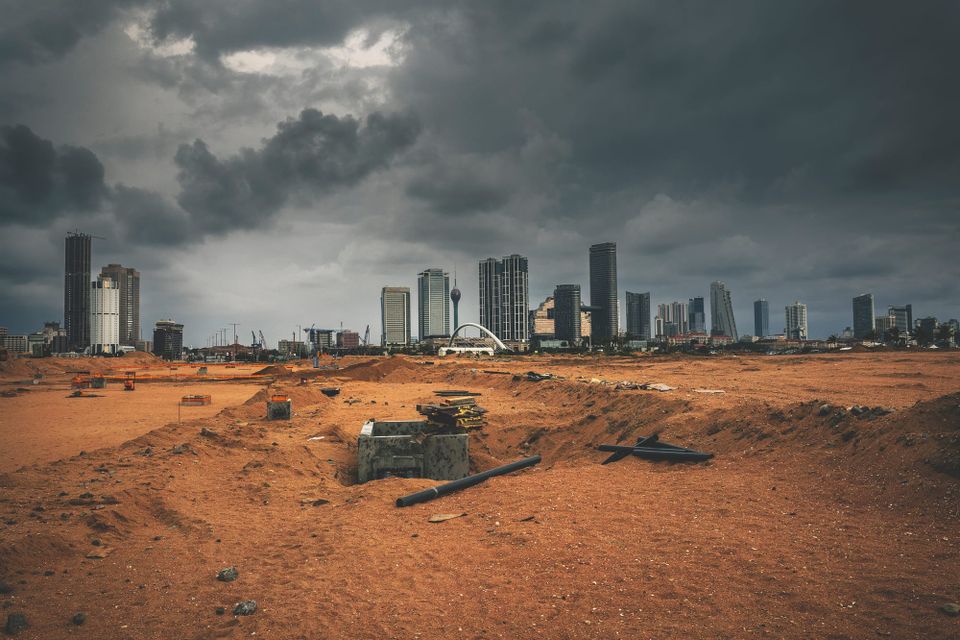
Port City is now picking up, after being a pile of sand for a decade. Cranes, concerts, and coffee shops are popping up. At least 150 companies have set up shop, and construction has begun on apartments and a marina. But a closer look inside the special economic zone — including at its investors, construction firms, and apartment buyers — suggests that all may not be going according to plan.
Rather than attracting large, reputable foreign investors, Port City is tempting real estate speculators, diaspora retirees, local opportunists, and casinos.
In an interview with Echelon earlier this year, Port City’s leadership explained the rationale for its existence. Port City's tax exemptions, business-friendly regulations, and flexible visa pathways for foreign workers, alongside promises of policy stability and government support, will entice foreign investors, they say.
These investors will bring money into the country, and then inevitably spend some of that money outside Port City, boosting the mainland economy. These companies, which otherwise wouldn’t have come to Sri Lanka, might hire locals to work in them too, they explained.
Port City was developed by the China Harbour Engineering Company. Part of Port City’s competitive advantage lies in it being roughly a fourth cheaper to set up a business than alternatives such as Singapore or Dubai, Thulci Aluwihare, deputy managing director for the China Harbour Port City project, told The Examiner. As a politically-neutral country, it can become the “Dubai of South Asia”, where businesses from across the region can meet.
But Port City’s reputation as a Chinese outpost has been hard to brush off. It’s been a major obstacle to attracting Indian investors, Aluwihare said in an interview to the Daily Mirror last month. A former member of the Port City Economic Commission, the government authority responsible for administering the zone, agrees. They see Indian investors as being particularly important to Port City’s success, and in the past, Indian journalists have been wooed to write positively about the project. Whenever the commission speaks to the press they emphasise that China Harbour only has a limited role.
So far, however, the efforts don’t appear to have paid off. No Indian company, besides Hexaware’s Sri Lankan subsidiary, appears to have registered in Port City.
China Harbour looks to get out
In 2014, China Harbour began reclaiming the sea just off Colombo to construct Port City. The company spent $1.4 billion to lay the groundwork, following an agreement with the Sri Lankan government for a 99-year lease on 43% of the land in return.
Today, 12 years later, China Harbour has sold a third of their lease rights to other companies, and plans to sell all but one plot. They want to make some money, recoup their investment, and “get out”, said two Port City sources.
No new international developers
Even companies currently investing in the special economic zone aren't quite fitting this promise of high-quality foreign direct investments.
Besides China Harbour, none of the property developers are foreign. International Construction Consortium, or ICC, Prime Lands, Home Lands, Phoenix, and Browns are the only investors so far. Construction costs are much lower than on the mainland, thanks to generous tax exemptions on imports.
Aluwihare isn’t worried about what he calls “the local skew”. “That’s typical anywhere. Foreign investors are waiting to see the reactions of the locals,” he said.
So far, China Harbour has sold the lease rights of 15 of their 48 plots, almost entirely to local companies. But he says he’s getting inquiries for their plots from the UAE and Saudi Arabia. In time he expects such overseas developers to lease the majority of the plots, with a “maximum 20%” held by local developers.
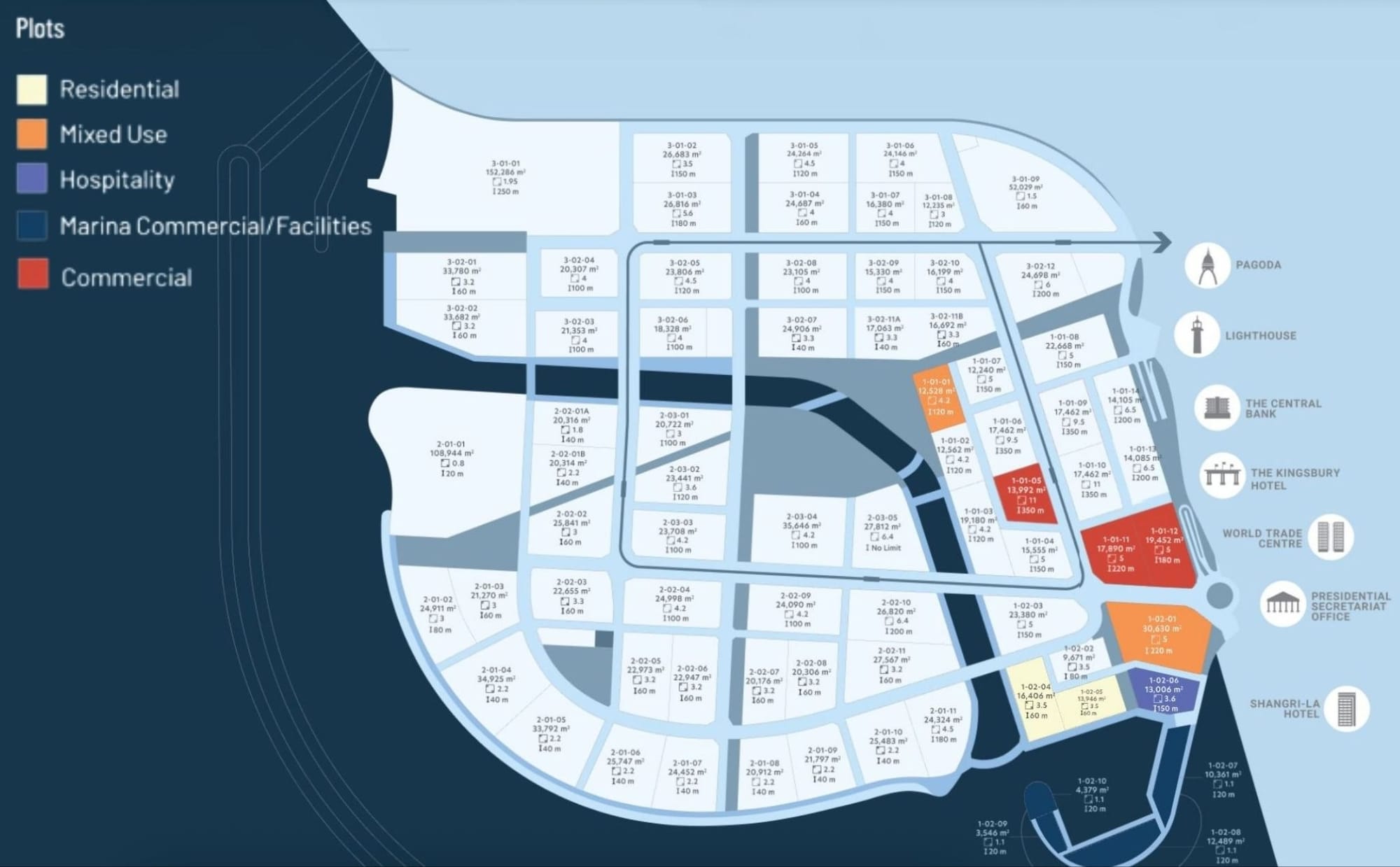
Local real estate companies leased their plots in rupees, but have committed to raising a portion of the funds for building on the plots from abroad. As per the Colombo Port City Economic Commission Act, all vertical development must be funded through foreign currency transferred into Sri Lanka.
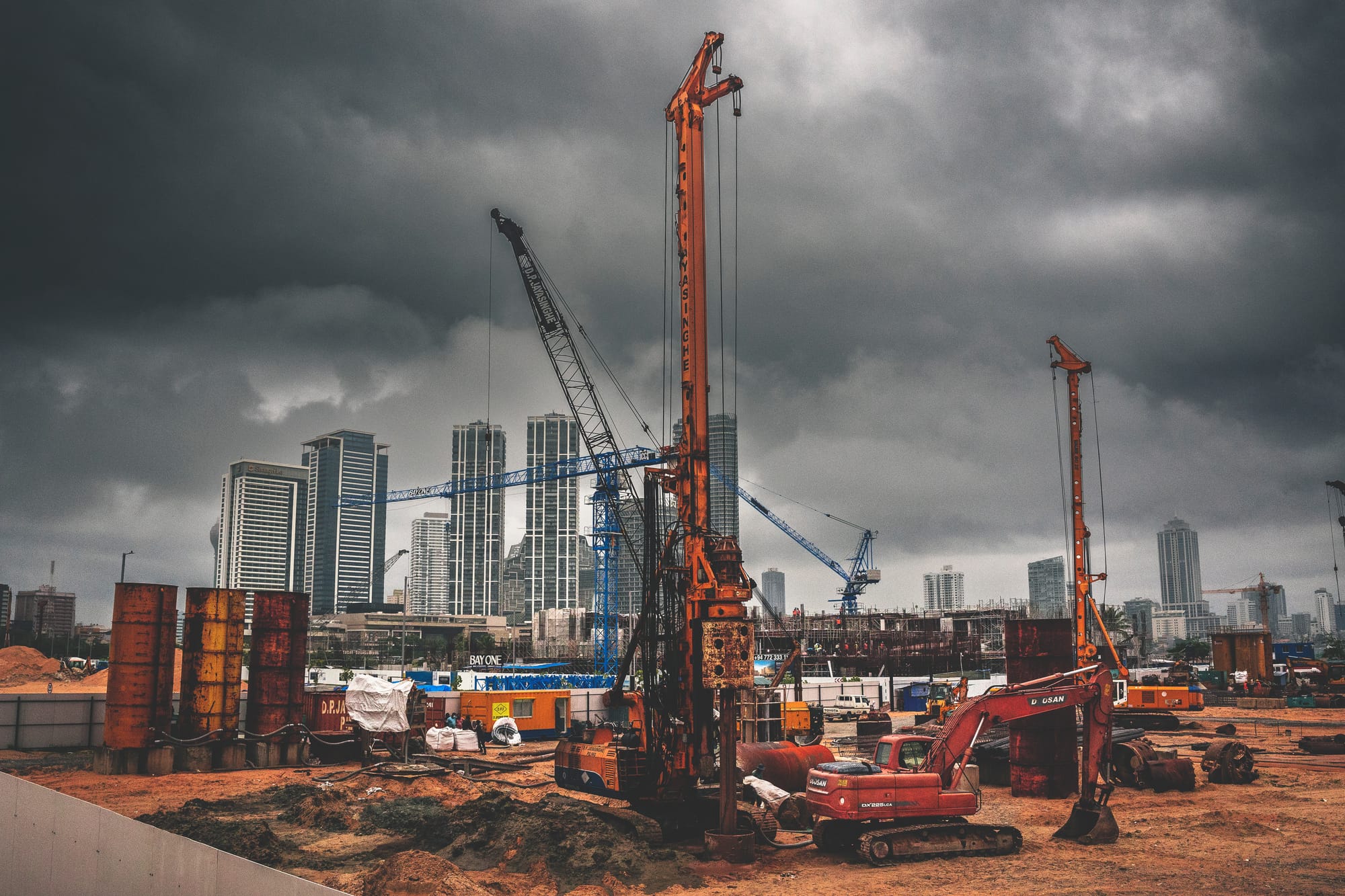
ICC for instance, promised that $66 million of the money being used to construct their 231-unit condo would come from foreign investors. They’re raising the funds through pre-sales, where buyers pay in installments as construction is ongoing.
ICC is selling 40% of its flats in rupees and the rest in foreign currency. Rupee flats are moving the fastest. Ninety percent have been sold within a few months of the project kickoff, said Jerome Goonawardana, Executive Director of ICC Port City, the development company of Bay One Residences. “There’s huge interest among local high net worth individuals as investments, because the value will double in a few years as it’s inside Port City," he said.
In one real estate development project, almost all foreign currency sales have been bought by the Sri Lankan diaspora looking to retire at home. “I think only one buyer is a true foreigner,” said a director of the project.
Umesh Moramudali, an economist, worries about the lack of regulations to oversee the fast-expanding luxury real estate market, and the potential of property speculation leading to a bubble. In Port City, developers are promising returns that are highly unrealistic, like a hundred percent return in four years. They’ve also inflated their valuations in their advertising, Parliament’s Public Finance Committee found.
The lack of regulation, unlike Dubai’s careful laws, is a “barrier for foreign investors”, says Moramudali. For example, Sri Lanka doesn’t have laws to make it compulsory for construction companies to use escrow accounts, making projects even more susceptible to financial mismanagement. It will prevent serious investors from coming in, he argues.