
Until last year the government set the prices of only 60 drugs, while prices for the rest were decided by the companies selling them. Since then over a thousand drugs have been subject to the government’s new pricing formula. Over time the prices of at least 6,000 drugs too will be decided by the formula, around 90% of all drugs. Every time a new drug is registered, or an existing drug import license renewed, it will come under the formula’s ambit.
In a press conference held yesterday reviewing the first year of the formula’s operation, Ananda Wijewickrama, the head of the NMRA, the government’s medicines regulator, defended the formula saying it axed importers’ massive mark-ups. These mark-ups went unaddressed in the past when the market was unregulated.
He presented some of the authority’s data at the conference. Duralyn, used to treat asthma, for example, was sold to customers at almost seven times its cost.
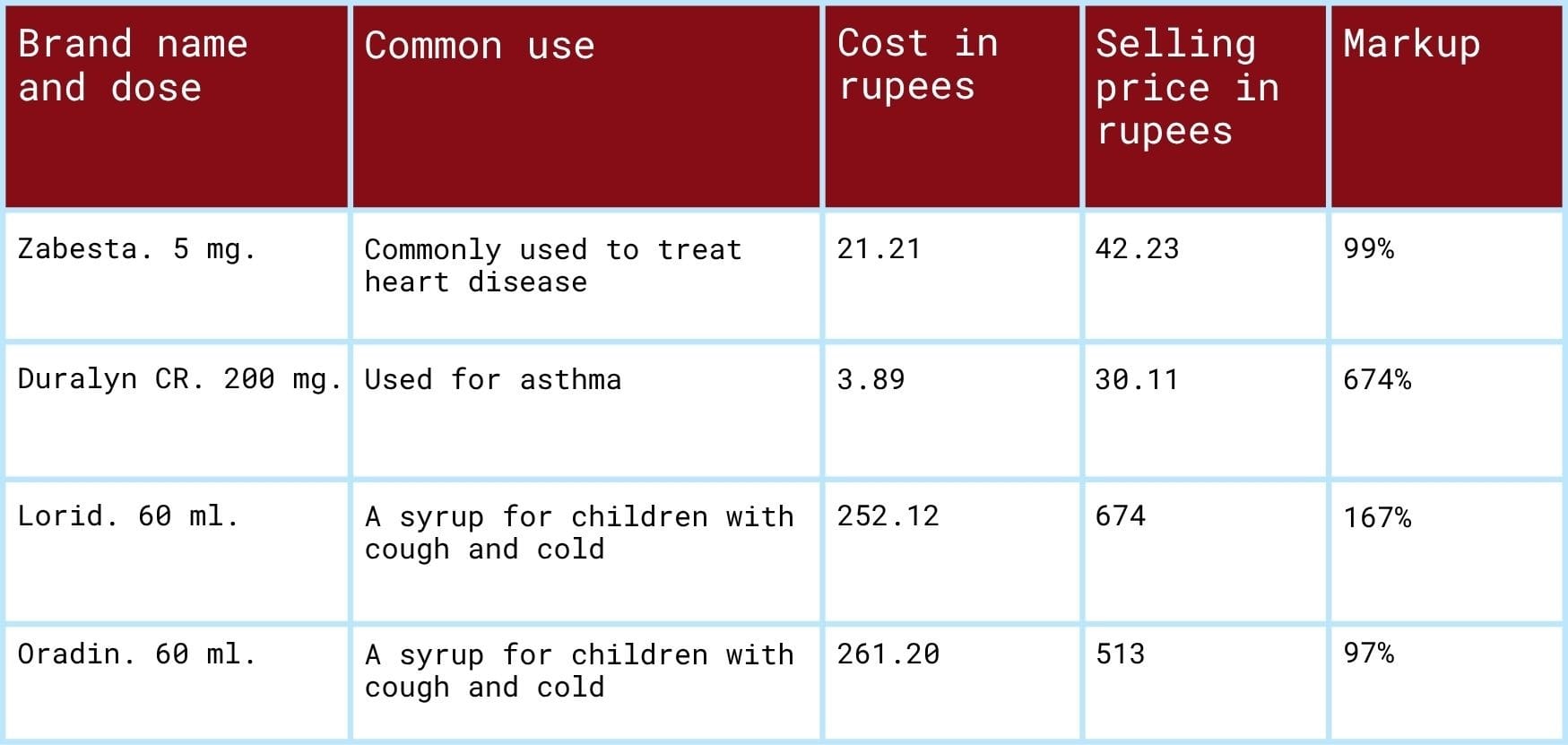
Some in the pharmaceutical business aren’t entirely happy with the new formula — they say it’s pushing some brands out of Sri Lanka.
The pricing formula, gazetted last year, is the outcome of a long tussle between industry and the authority. Initial attempts to regulate pricing weren’t transparent, pushing the pharmaceutical industry to court. In response, the authority published its first detailed pricing mechanism last year.
Sri Lankans buy around $750 million of drugs each year, most of them imports. Private importers supply about 70% of that.
Private pharma’s misgivings
The NMRA’s pricing regulation was a step in the right direction, and a move towards transparency, says the CEO of a leading pharmaceutical company. But he’s not happy about how the formula works. Others in the industry too think the formula lacks a clear “rationale” and is unfair. The Examiner spoke to two CEOs and one regulatory director of three leading pharmaceutical companies in the country.
The final price the formula spits out depends substantially on the local agent’s cost to import the drugs.
“They’re constantly asking us to reduce our prices based on regional prices,” the regulatory head said. “Prices in India or Bangladesh may be lower for various reasons. India’s market is bigger so they may be able to sell at a lower price there. Production standards also vary in different countries leading to lower prices.”
They also complain that the NMRA refuses to appropriately price American brands at higher prices, simply because an Indian or Bangladeshi brand would be cheaper.
“So we are only encouraging products from places like India to enter the market. The NMRA must look at pharmacopeial standards separately, and have different formulas for them,” said one CEO.
The regulatory head said that his company discontinued the import of seven medicines as they can’t cover their costs if they sell at the formula’s prices. He claims that this can lead to the sale of smuggled substandard drugs which aren’t necessarily inspected for quality or stored safely.
But Wijewickrama rejects this allegation, noting that when approving prices for medicines brought down from America and Europe, they compare prices with the UK rather than India, Pakistan, or Bangladesh.
2016’s maximum ceiling price
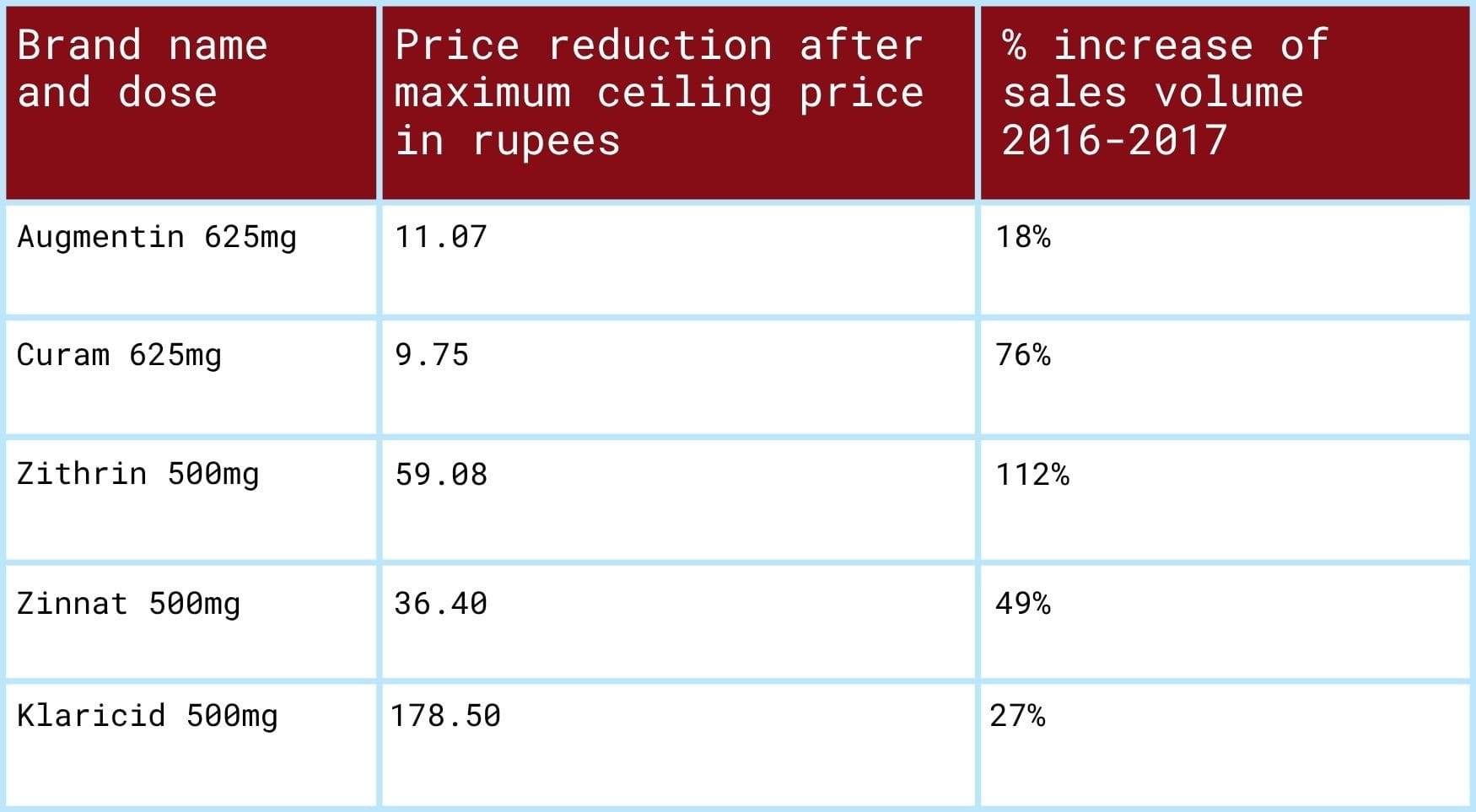
At the press conference, Wijewickrama also said that when Sri Lanka first controlled prices — with a maximum ceiling price for 60 drugs in 2016 — importers had raised the same complaint: that the regulation would push brands out of Sri Lanka.
But only one brand discontinued in Sri Lanka after the ceiling price was set, he said, arguing that importers actually benefited through increased sales as medicines became affordable. Sales of Herbesser, used to treat blood pressure, for instance, more than doubled after it was price capped.
How does the formula work?
When a drug is registered, the manufacturer’s local agent must submit a proposed retail price and their cost of importing the drug. Agents are also required to submit the price in the medicine’s country of origin and in countries close to Sri Lanka.