The Examiner has more opinions than it has staff. We maintain unanimity in our facts, not the inferences we draw from them. This examination is no exception.
Government department delays, lasting days or even weeks, aren’t new. People lose jobs because they can't get a license in time, or don't get a welfare payment because a clerk's sitting on a file. But when it comes to delays in forensic reports, the stakes are much higher: months in prison.
That’s what happened to 24-year-old Jehan (not his real name) who survived the Negombo prison violence in July. He was remanded in April for possession of heroin, says his brother. The government analyst’s report, which measures the quantity of pure heroin and determines his eligibility for bail, was taking time. While he waited, the riot erupted.
Burdened by backlog
The scientists running the Government Analyst’s Department, Sri Lanka’s main forensics agency, are struggling. As of May, they’re more than six months late to test 25,000 drug samples, shows a Right-To-Information response. Over 15,000 prisoners — nearly one-third of the prison population — are stuck in jail because they can’t apply for bail until their forensic reports are complete.
The Government Analyst’s Department plays a vital role in criminal investigations — its nine forensic divisions test evidence produced in courts, from DNA and drugs to firearms and forged documents.
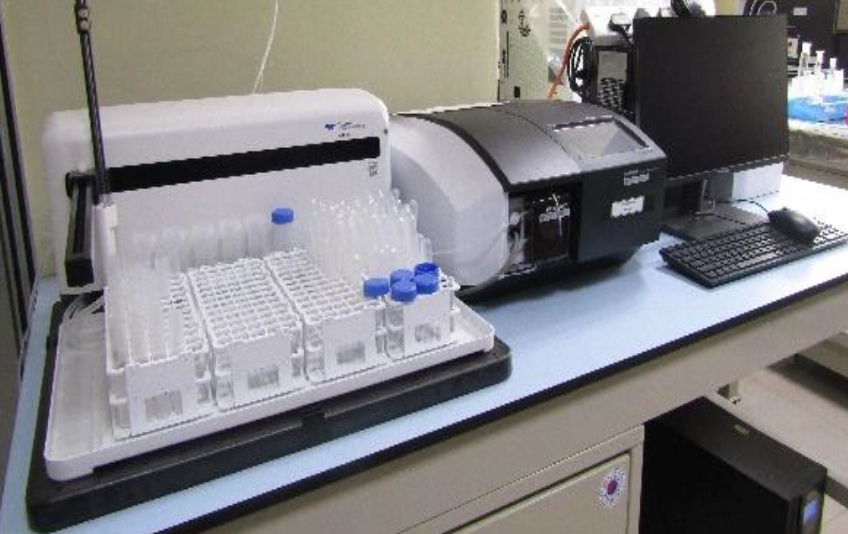
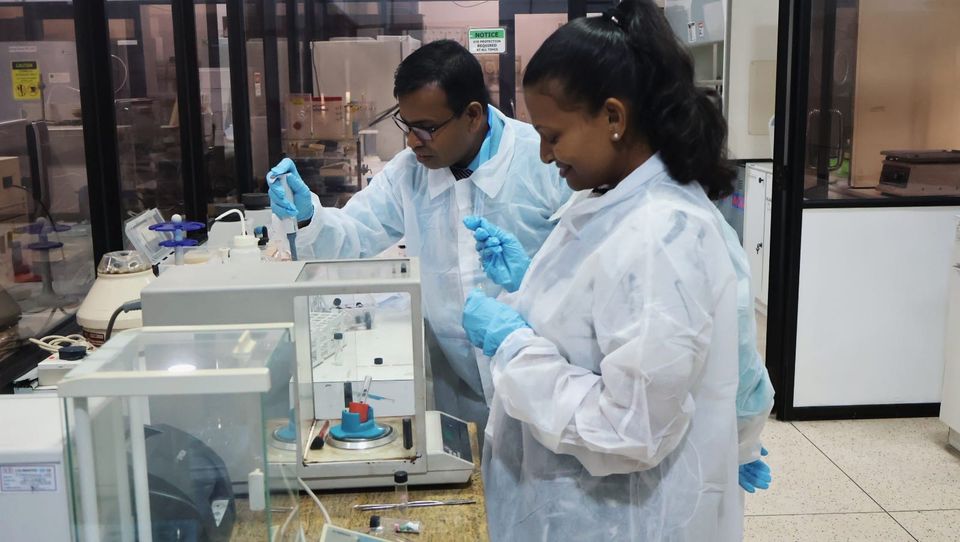
For instance, the department chemically checks for the presence of a narcotic substance and separates that substance from other “filler” materials to measure the purity content. Or, when matching a bullet to a gun, analysts re-fire guns to scrutinise the marks made on the bullets and match them with those taken from the crime scene.
Every single drug case and many other criminal cases, from assault to arson, rely on the government analyst’s findings. Seventy percent of cases require the department’s forensic reports, estimates a lawyer from the Attorney-General's Department, which is in charge of prosecuting criminals.
Besides the narcotics division, the serology, poison testing, and digital forensics divisions have the most severe backlog. These divisions check for bodily fluids like blood and semen, poisonous substances, and digital clues respectively. The serology unit — responsible for blood and semen testing — had a backlog of 4,000 cases at the end of 2024.
One of the major issues is staff. The government’s Scientific Service, a part of the civil service that deploys scientists across the state, staffs the Government Analyst’s Department. It’s the most understaffed service in the civil service —- over 30% short of approved cadre. On top of that, the cadre itself is low — just 649 officers for the whole country.
Understaffing through the years
Understaffing isn’t new. An analyst who worked there in the 1990s and early 2000s said it was a problem even then. Exacerbating the issue, staff don’t just test samples and send reports, they also need to appear in court.
When defense counsel challenge a report, the scientist is summoned to court, sometimes decades after testing a sample. “I have piles and piles of notebooks,” explained a former analyst. Typically however, the expert witness doesn’t answer “intelligent questions” — rather they merely identify a sample.
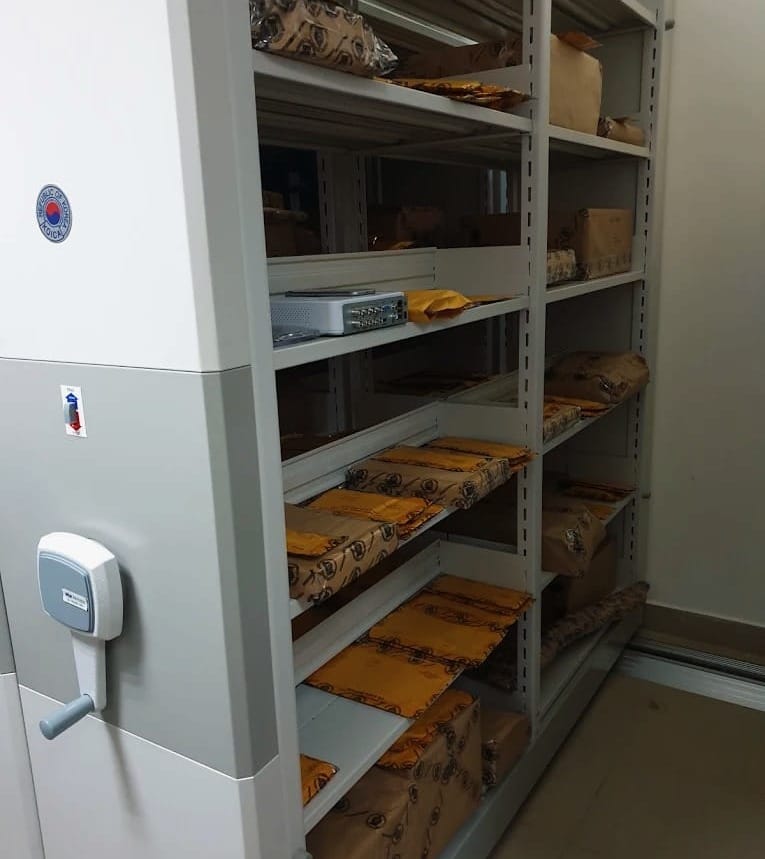
Since the department is located only in Colombo, officers must travel to courts all around the country. A half-day court appearance turns into a two-day journey. If a court issues summons, often at the last minute, and the analyst isn’t available or is due to give testimony in another court, the case gets postponed again and again.