The FCID arrested four bank staff this week on suspicion of laundering money through phantom shipping transactions. Thirteen banks, both state and private, were used to irregularly transfer $715 million out of the island over the past three years, SDIG Asanka Karawita, the FCID’s head, told Parliament’s Public Finance Committee last month.
Police suspect Jiffry Mohamed, arrested in June, as the kingpin behind the illegal payments. Investigators told The Examiner that they were able to trace some of the transferred money back to Sri Lankan drug lords in Dubai. Two have been extradited since police investigations began in May.
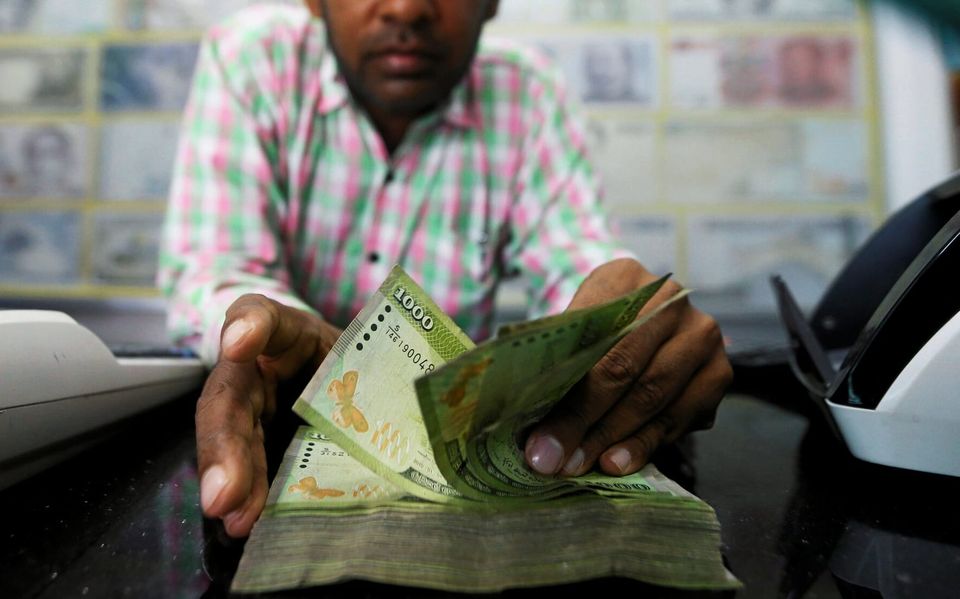
Sri Lanka doesn’t permit transfers of large sums of foreign currency overseas, unless it's for payment for goods or services. Mohamed was able to transfer foreign currency overseas by allegedly producing documentation of phantom imports via fake documentation.
Three of the arrested bank employees work at Sampath, Seylan, and Union banks. The other was an ex-employee at Nations Trust. Two were executive officers, one was a sales promotion manager, and the other a branch manager.
An FCID officer told The Examiner that the money has been transferred out to several countries including the US and China. In one instance, Police found a Negombo gang deposited 6 million rupees into one of Mohamed’s accounts. This money was then linked to drug lords in Dubai.
After Mohamed’s arrest in June, the Public Finance Committee inquired into how he was able to slip through the safeguards of multiple government agencies including the Central Bank’s Financial Intelligence Unit, Customs, and Registrar of Companies. The committee found repeated failures to act on red flags that emerged.
Red flags at the Company Registrar
The money was allegedly laundered through 105 companies, registered under 55 different names. Some didn’t even know they were company directors, an FCID officer said. For instance, Mohamed allegedly forged his sister’s signature naming her as a director in several companies. The vast majority of companies — 43 — were controlled by Mohamed. Police said the companies were connected via a chain where the director of one company was the secretary of the next company and so on and so forth.
Investigators believe Mohamed orchestrated the transfers through these shell companies. Lax procedures at the Registrar of Companies made it easy for dummy companies to mushroom, the Public Finance Committee observed. They often don’t properly verify the credentials of those opening new companies, nor do they strictly enforce compliance requirements like handing in annual reports regularly.
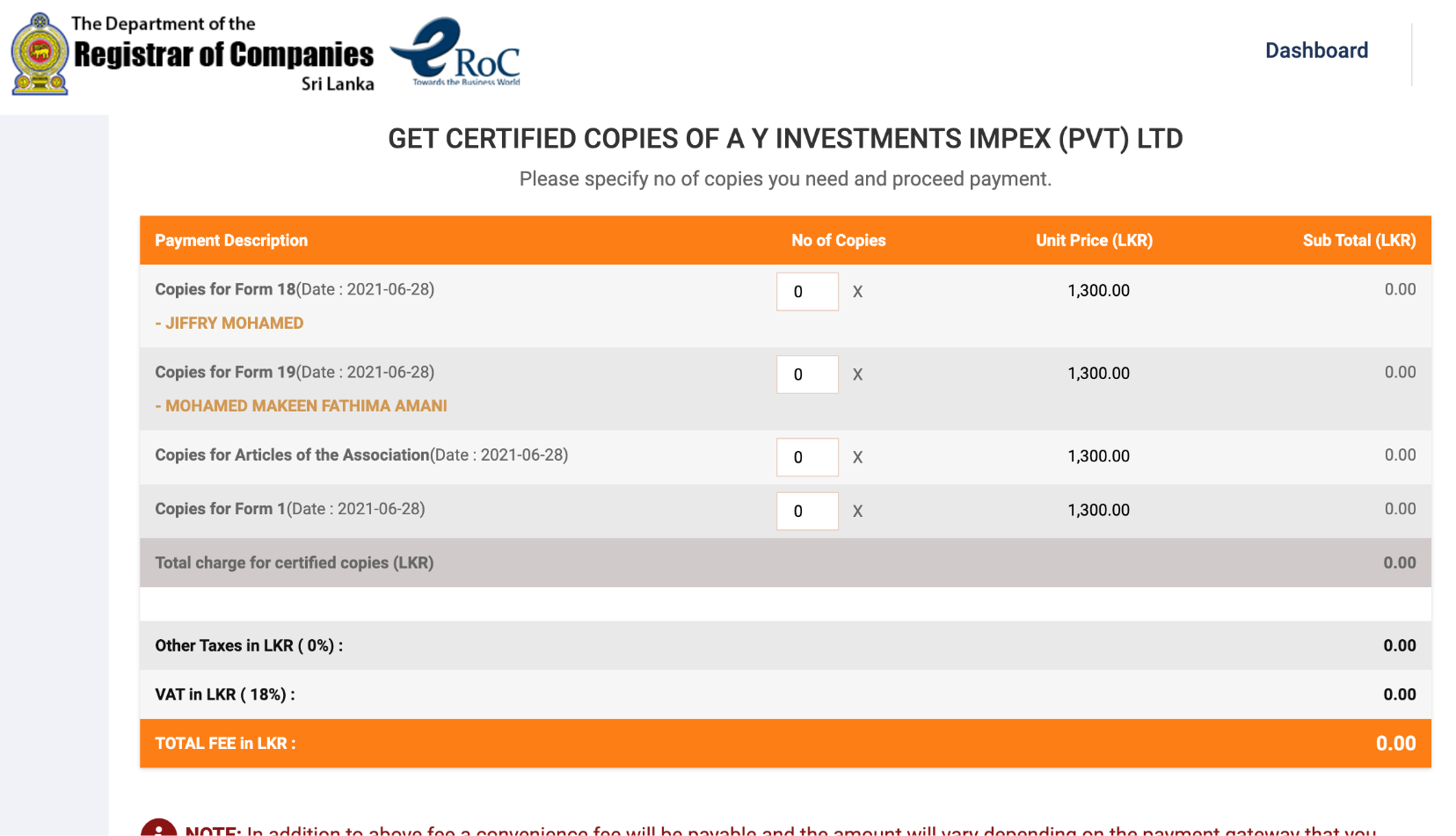
The Examiner looked into A.Y. Investments — the main company Mohamed used for the remittances —- on the online registry of companies. We couldn’t find any annual reports filed since its formation in 2021.
Red flags at the banks
Two hundred and twenty seven distinct bank accounts were created under these dummy companies. The Public Finance Committee observed that some of the banks failed to perform adequate customer due diligence and Know Your Customer protocols. In some instances, banks allowed accounts to be opened without the named account holder being physically present.
Over three years, money amounting to $715 million was deposited into these accounts. On average this comes to around 360 million rupees a year per account. Bank risk management didn’t pick up on these unusual deposits. A former senior banker told The Examiner that he understands that branch managers have a strong incentive to keep large deposits.
An FCID officer told The Examiner that the accounts would close at one branch and reopen at another, as managers moved between branches over the years.
Red flags at Customs
For three years, even though transfers were sent overseas, the goods they were ostensibly meant to pay for never arrived. Customs failed to properly reconcile fund transfers with the corresponding physical imports, the Public Finance Committee found. This loophole enabled fraudsters to transfer money abroad undetected without any corresponding import of goods.