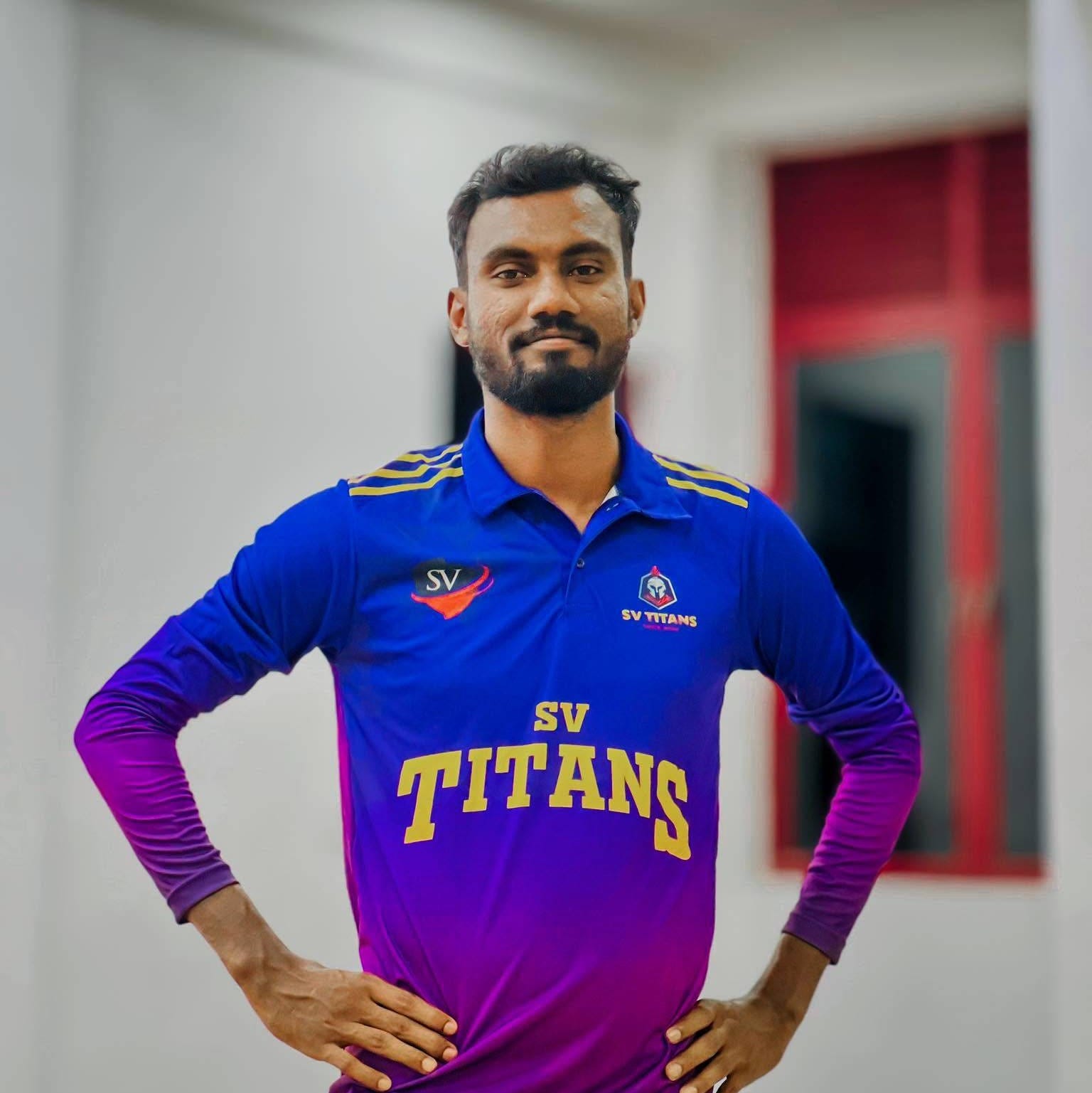
Sivarasa Anojan, a 27-year-old trainee construction-site safety officer from Kalmunai, was sentenced to death by a Saudi appellate court on September 17th. In a Facebook comment, he had written: “If Prophet Muhammad had fallen into my hands I would have cut off his penis”.
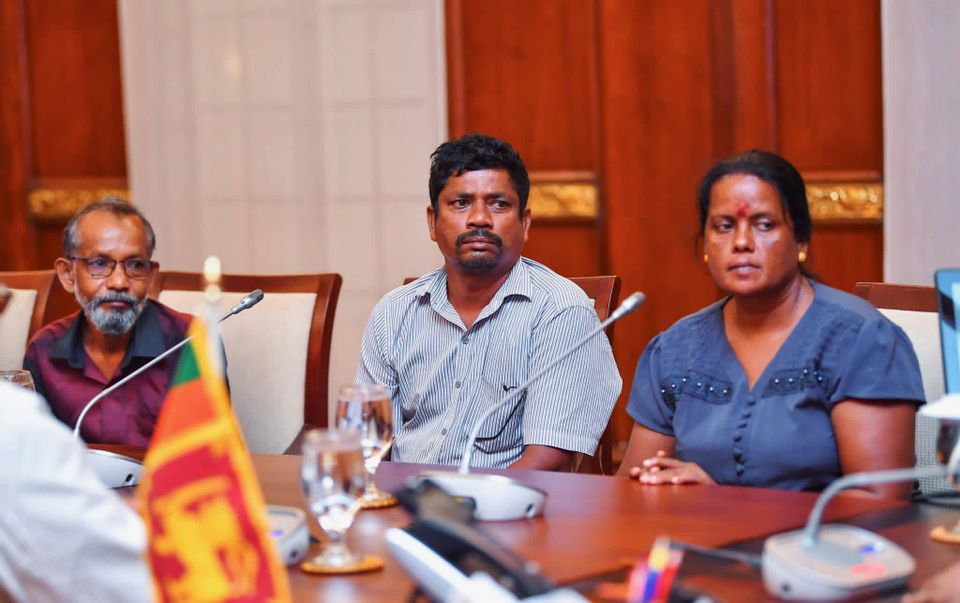
His trial was controversial. Sivarasa Hamsithan, Anojan’s brother, said that Anojan didn’t have a lawyer during the trial. “We informed the embassy of what happened but they didn’t send anyone.”
Anojan confessed during the trial and was initially sentenced to five years in jail and fined heavily. He then appealed. After the appeal hearing, where Anojan was represented by lawyers hired by the Sri Lankan embassy in Riyadh, he was sentenced to death.
“Even by the time the embassy’s legal team appealed, the public prosecutor had already appealed for Anojan’s sentence to be enhanced and sentenced under Sharia. This is seen through the verdict,” said Vijitha Herath, the foreign minister.
However, the appeal’s judgement doesn’t suggest anywhere that the sentence was raised from five years in prison to death because of the prosecution’s appeal. The Examiner saw an unofficial translation of the judgment.
The judgement said the appeal court wasn’t bound by the characterisation of Anojan’s actions as described in the original prosecution charge sheet. Because Anojan was an adult of sound mind, it "recharacterised" the offence and sentenced him to death.
His crime
Anojan’s troubles started when he commented on a Facebook post on June 28th. The post was about a controversy in Kalmunai, where a Muslim man was filmed kicking a dog. The dog, called Subramaniam, was accompanying pilgrims on the annual Kataragama pada yathra.
Anojan deleted his comment soon after and posted a video apologising. “I did it in anger,” he said in his apology. “I have done a very great sin.” Anojan asked for forgiveness from Muslims for his comment.
Just two days later, on June 30th, his employer Denys, a contractor for Saudi Aramco, had learnt of the comment, said Hamsithan.
“Someone took that comment and turned it into a post. People saw the post and shared it immediately. Underneath that post, someone included his address and phone number, along with his photo and mine.”
Because his employer got involved, his family wrote to the Foreign Ministry asking that they repatriate Anojan on July 1st.
The next day, on July 2nd, the Saudi Arabian police arrested Anojan. According to Herath, the human resources manager at Denys’s Saudi Arabian office told the Sri Lankan Embassy in Riyadh that Anojan had posted a “religiously sensitive social media post insulting religion and had broken Saudi laws of cyber crimes”.
The first trial
A three-judge bench heard Anojan’s case on July 27th, and sentenced him the next day. He was found guilty.
The Al-Ahsa Criminal Court found that Anojan was guilty of an offence under Section 6.1 of Saudi Arabia’s Anti-Cyber Crime Law. Section 6.1 criminalises the production of material impinging on public order, religious values, public morals, and privacy. He was also found guilty of Sabb al rasul —verbally assaulting Prophet Muhammad.
He was sentenced to five years in prison and a fine of 3 million Saudi riyals, about 264 million rupees. The court also ordered that the electronic device he used be confiscated and the Facebook account deleted. The prosecutor also asked the judge to impose a severe punishment on him, according to the unofficial translation of the appeal judgement The Examiner saw.
His brother said that Anojan didn’t have a lawyer at this point. The verdict was based on his confession and other material available to the court.
Those on trial technically have a right to a defence lawyer in Saudi Arabia, but in reality, often they don’t. In three past cases where Sri Lankan migrant workers were tried in Saudi Arabia, they didn't have lawyers. Saudi authorities also don’t always inform embassies of trials involving their citizens.
According to the Vienna Convention, there are grounds to provide consular assistance and legal support when citizens are facing issues, said P. M. Amza, former Sri Lankan Ambassador to Saudi Arabia. Migrant workers in Saudi Arabia often face legal issues, usually pertaining to contract issues, visa violations, and drugs. Embassies often provide their citizens legal assistance.
The appeal that went wrong
After obtaining a copy of the judgement on July 30th, Sri Lankan diplomats from the embassy in Riyadh visited Anojan in prison, said Herath, the foreign minister. But they were only able to speak to him through a telephone. The prison didn’t allow the diplomats to meet him in person.
During the call, Anojan asked them to facilitate an appeal, the foreign minister added. The embassy then communicated Anojan’s request to the Foreign Ministry in Colombo.
On July 31st, the ministry received a copy of the judgement from Riyadh and informed Anojan’s family of the judgement and the appeal process. A few days later, Anojan’s father agreed to pursue an appeal.