
On Tuesday one of the Big Three credit-rating agencies, Fitch Ratings, upgraded Sri Lanka’s credit rating a notch, from CCC+ to B-. The last time Sri Lanka held a B- rating was nearly six years ago, in November 2020.
At a press conference on Wednesday, the IMF said the Sri Lankan government is potentially in a position to re-enter global capital markets and borrow in US dollars next year. The upgrade is a “step in the right direction”.
The upgrade’s positive impact will be seen before that. It could lower the government’s domestic borrowing costs in the short-term, said Anushan Kapilan, an economist at Verité Research. Foreign investors would be encouraged to lend to the government by reducing risk-perceptions of buying Treasury bills and bonds, he explained, adding that with greater capital inflows, pressure on interest rates across the economy could fall.
An asset management firm in Colombo agrees that the upgrade will reduce the risk of bonds and increase inflows. However they don’t expect it to “push down Treasury bill yields on its own”. They also noted that ratings tend to be “backward looking”, meaning that investors have already factored in Sri Lanka's improved economic performance.
Surprisingly good marks
Analysts agreed that Sri Lanka’s rating moving up six notches less than two years after default is unusual and promising, and largely credited its rise to improved tax revenues.
With higher oil prices over the last few months, Sri Lanka’s import costs have increased faster than export revenues. In that context, the latest upgrade was significant and “probably a surprise”, said a former Treasury official. Echoing the IMF, he said that before the upgrade, resuming international borrowing was “out of the question”. But it may be possible at B-, if global pressures stabilise.
Welcoming the upgrade, the Treasury’s Public Debt Management Office said the government recognises that Sri Lanka’s debt levels are elevated relative to peer countries, but that Sri Lanka remains firmly committed to fiscal discipline and sustained reform.
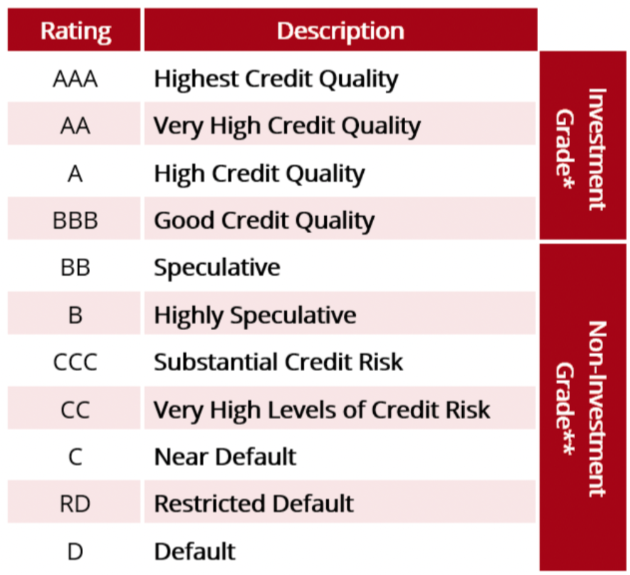
The government maintained a B rating from its first Fitch rating in 2005 until April 2020, when it was downgraded to B- and then, in December, to CCC. The rating continued to drop in consecutive reviews until it reached C in April 2022 when the government defaulted.