This political column continues the island’s long tradition of insider political journalism, from the 19th century Ceylon Examiner to today’s Sunday Times Political Column, and, of course, the inimitable Suranimala. We’re still crafting the genre’s 21st century incarnation, so please send us feedback on what works, and what doesn’t.
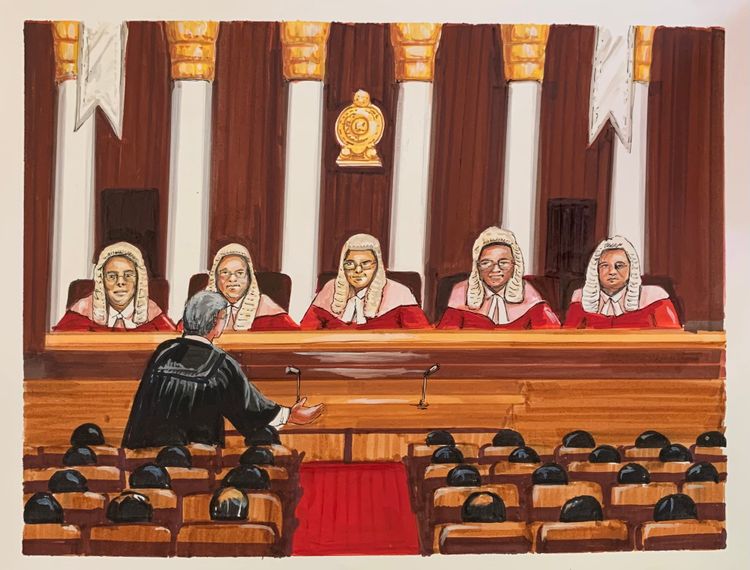
Two years into office, and despite an increasingly turbulent world, President Anura Kumara Dissanayake is riding high. The anniversary, which fell on Tuesday, was marked by a flurry of legislative activity. The Supreme Court held that the government’s amendments to the Constitution, Judicature, and Anti-Corruption acts could become law without a referendum, provided the bail clause within the Anti-Corruption Act is changed. The long-awaited replacement to the Prevention of Terrorism bill was also gazetted.
The government isn’t only passing laws, it's also beginning to grasp the reins of government more firmly.
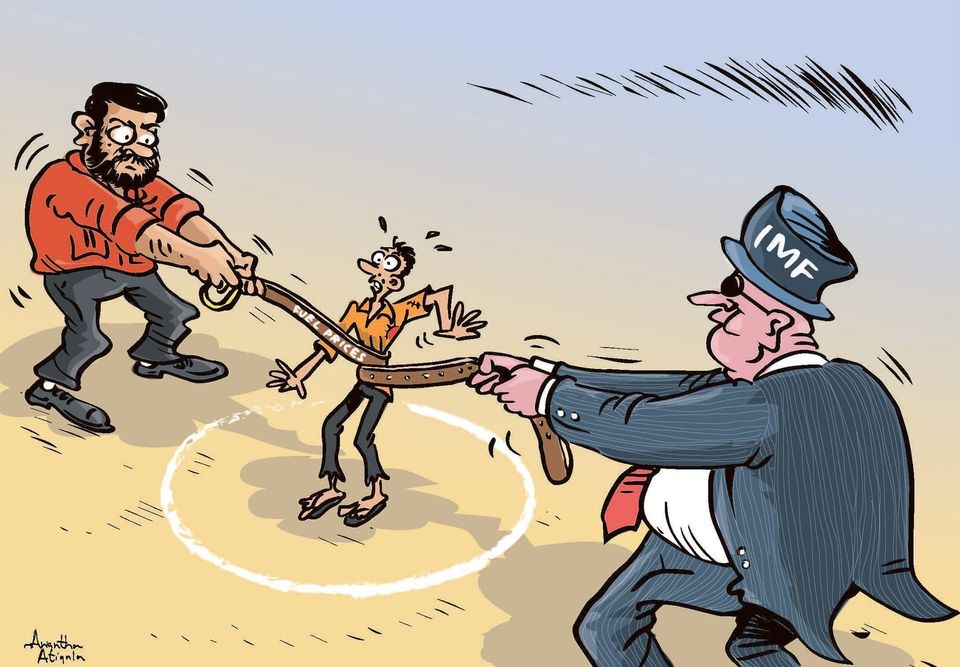
The only dampener was rising energy prices, a casualty of war in the Gulf. This week, when AKD and the visiting IMF team met, fuel prices were the key sticking point. Even though cost-recovery fuel pricing is a programme condition, AKD was firm that the government needed to subsidise fuel to reduce the burden on citizens. The IMF position is that any subsidies should be temporary and targeted to those who need it most.
The visiting team also had concerns with his proposal to increase the income tax threshold. Currently those earning over 150,000 rupees a month are taxed. Plans to adjust the rates for different tax slabs were also discussed, including lowering the rate of the highest slab which is currently at 36%.
The President said the government would send the IMF a proposal justifying the fuel subsidy and tax relief, along with revenue-raising proposals to cushion their impact on the exchequer.
No agreement with the IMF was reached; negotiations for clearing the IMF programme’s seventh review continue.
Government sources say they’re confident they’ll be able to implement the fuel subsidy and tax relief measures. Unredacted learns that AKD chaired several meetings with Central Bank and Treasury officials to discuss the mechanics of proceeding with the relief measures while also addressing the IMF’s concerns.
The extent of the subsidy is still being worked out. On Wednesday, Parliament approved a supplementary budget estimate of an additional 17 billion rupees for this year’s fuel subsidies. In April the government approved 57 billion rupees for fuel subsidies that ended in the middle of the year.
The President is also beefing up his team. Seevali Arukgoda, the former customs chief, was appointed Senior Additional Secretary at the Presidential Secretariat last month, and this week made the head of the new business facilitation centre. The unit is putting together a team.
Sumanthiran draws the line
The 22nd amendement didn’t succeed in creating a united opposition front. The Opposition’s attempts over the last few weeks to use their collective rejection of the 22nd amendment as a jump-start to form a coalition hasn’t come too much. After signing a joint declaration, the coalition planned a joint protest. But that quickly disintegrated and the SJB organised their own yesterday. The SLPP, UNP, and ITAK didn’t attend.
Last week Maithri Gunaratne, former governor, and Shiral Lakthileka, a veteran political operator, mooted a declaration to form a coalition against what they described as the government’s anti-democratic actions. The SLPP, SJB, UNP, and SLFP all signed.
Some of them are now having second thoughts on being seen together. M.A. Sumanthiran, ITAK’s General Secretary, refused to sign the coalition’s joint declaration saying he had concerns about sharing a platform with politicians who previously undermined judicial independence.
His refusal exposed a fault line within the broader opposition campaign against the amendment. Sumanthiran said his party’s approval was required before signing such a document and that ITAK hadn’t been consulted beforehand.
Unredacted learns that Sumanthiran objected to involving former ministers G.L. Peiris, Udaya Gammanpila, Wimal Weerawansa, and others who were in government when Shiranee Bandaranayake, the former Chief Justice, was impeached. Eyebrows were also raised on including the UNP, which had impeached former Chief Justice Neville Samarakoon.
Dinner at Jeevan’s
Meanwhile Jeevan Thondaman, the CWC Leader, hosted members of the minority party coalition formed by some Tamil and Muslim parties at his house near Parliament. The dinner was attended by Sumanthiran, Shanakiyan Rasamanickam, P. Digambaram, Mano Gansean, Rauf Hakeem, Rishad Bathiudeen, and a few other politicians.