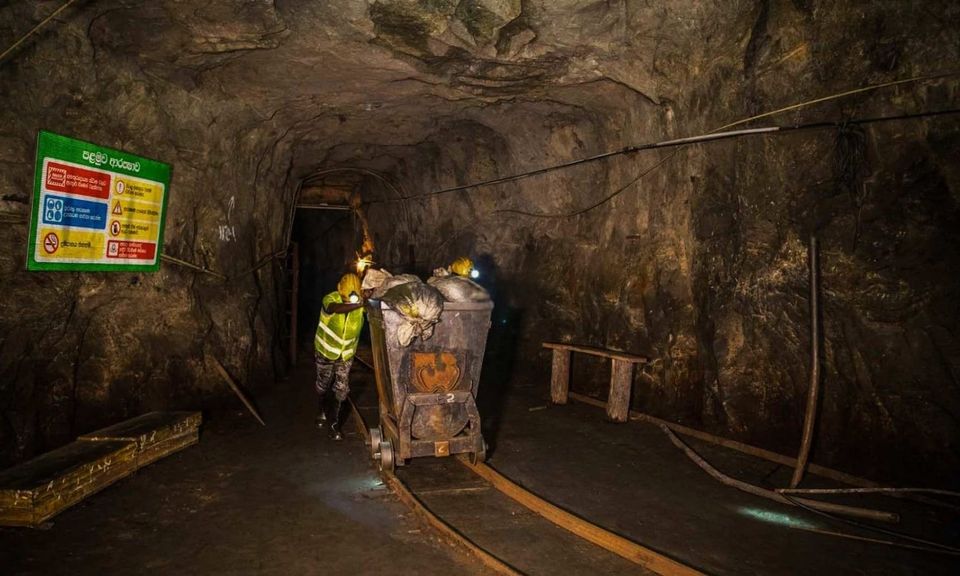
“An old professor told me that if the GSMB [Geological Survey and Mines Bureau] was in existence when Bogala and Kahatagaha started, they wouldn’t have started because the GSMB is geared to make sure no mining industry survives. There’s so much red tape,” grumbles Amila Jayasinghe, who heads Sri Lanka’s oldest graphite mining company — Bogala Graphite.
Bogala is one of the island’s three graphite exporters. In total, less than ten players export high-value industrial minerals in large quantities. According to the GSMB, they account for around $80 million in exports annually.
But many think that’s far below potential. The Pathfinder Foundation, a think tank, recently estimated that Sri Lanka’s potential mineral exports are $2 billion a year. While these estimates vary, stakeholders agree on one thing: one of the main culprits holding the mineral export industry back is its own regulator, the GSMB.
Endless exploration
The GSMB has regulated the mining industry since 1992, when it was formed. If a private company wishes to export minerals, it must first obtain an exploration license, then a mining license, and finally an export license from the authority.
In the three decades it’s been in existence, the GSMB issued 471 industrial mineral exploration licenses. Not one has led to an active mine exporting minerals.
This problem — many more explorers than actual miners — is attracting increasing scrutiny. A cabinet-appointed committee is currently studying the issue. The committee’s draft report, seen by The Examiner, identifies unsolicited applications for licenses as one of the main reasons for the failure of exploration licenses to translate into operational mines.
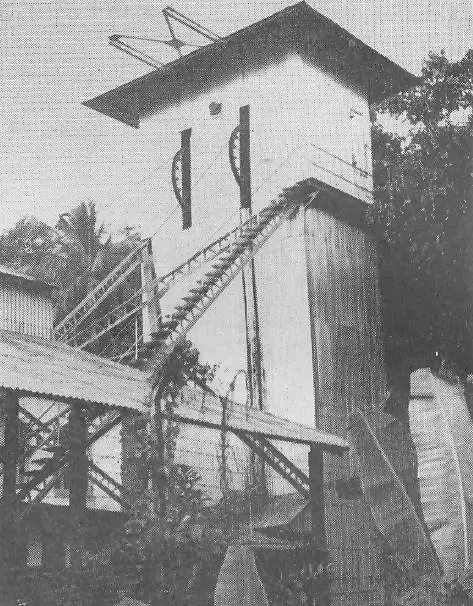
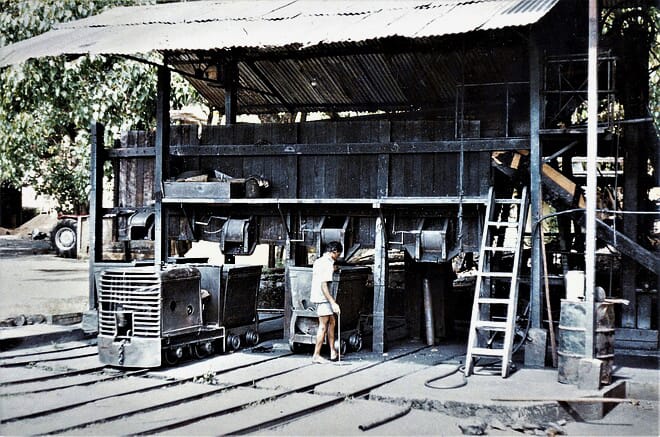
Kahatagaha mine from the 1980s. Photo:
First-come, first-serve
The problem begins with how the GSMB issues exploration licenses — a first-come, first-serve basis that is neither competitive, nor transparent. Licenses aren’t assessed based on a firm’s capabilities, or the credibility of their intentions to start mining after explorations are done. Instead, just about anyone can block a grid of land, obtain a license, and begin exploring.
This means that companies are able to lock large areas of prospective land under their licenses — sometimes even for decades — and never actually mine. This restricts credible investors from accessing mineral resources, the committee’s draft report finds.
This unsolicited system has corrupted both mining companies and the regulator — possibly one reason for the system to survive for so long.
Even GSMB officials admit that corruption is common when issuing exploration licenses. “That’s [first-come, first-serve system] a reason for bribery and corruption. GSMB officials will call someone and tell them they can get the license if they come first. Those kinds of deals have existed,” said a director at the GSMB. A senior GSMB geologist points to the same issue.
Some who secure exploration licenses are just looking to make a quick buck. Two senior directors and a geologist alleged that many mining companies secure exploration licences to boost their share prices and raise capital. The more serious flaw is that it allows fraudsters, with no intention to mine, to get paid while tricking their investors.
“The exploration is not only to explore. There is stock market manipulation,” said Nalin de Silva, the GSMB’s director of mineral surveys.
Inflating share prices isn’t the only reason companies vie for licenses, even if they have no intention of ever mining, he adds. Some firms are effectively speculators, using exploration licenses to secure and block the right to mine a given area. “They keep the plot under their tenancy.” When prices for the minerals in the ground rise, companies change hands.
One of the most stark examples is Titanium Sands. Five local companies held nine licences to prospects on Mannar Island. These five companies were sold off to two Mauritian shell companies. The Mauritian shell firms were ultimately acquired by Titanium Sands, an Australian company, allowing it to take control over exploration underway on Mannar island.
The GSMB officials also explained that ex-GSMB colleagues themselves form companies when they leave the authority, and then go on to secure licenses.
The committee itself is a result of a Supreme Court judgement on unsolicited exploration licensing. The 2024 decision found unsolicited proposals were unconstitutional, violating Article 12 which guarantees equal protection under the law.
Following this judgement, the GSMB has suspended all exploration licenses. The committee is currently reviewing these licenses to determine which companies are actually progressing towards starting operations, and which are just holding the rights.