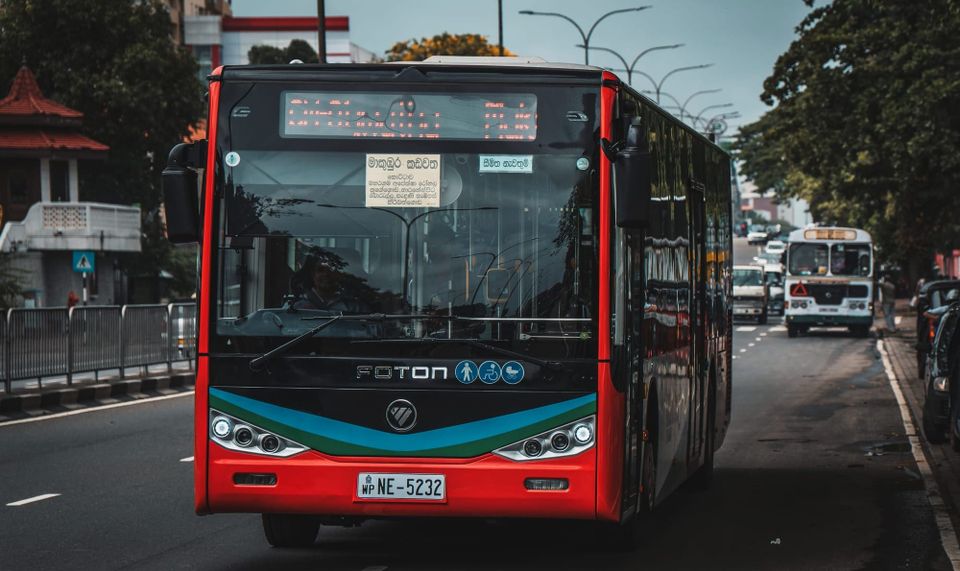
Low-floor, AC Metro buses — soon to be a frequent sight across Colombo — are the biggest improvement to Sri Lanka’s public transport system in decades. What’s going to happen next? After years of plans, how did the Metro bus finally get off the ground? Will the buses maintain their high standards? The Examiner spoke to those spearheading the project to find out.
Electric buses, the ultimate goal
Metro buses currently run on two routes, with tickets the same price as existing AC services. Five new routes will be added next month, with 121 buses running every five to ten minutes. The Road Development Authority and Colombo Municipal Council are building depots and bus stops, and attending “countless” meetings to get the project moving quickly.
Soon after, the fleet will go cashless, break out into the provinces, and become electric.
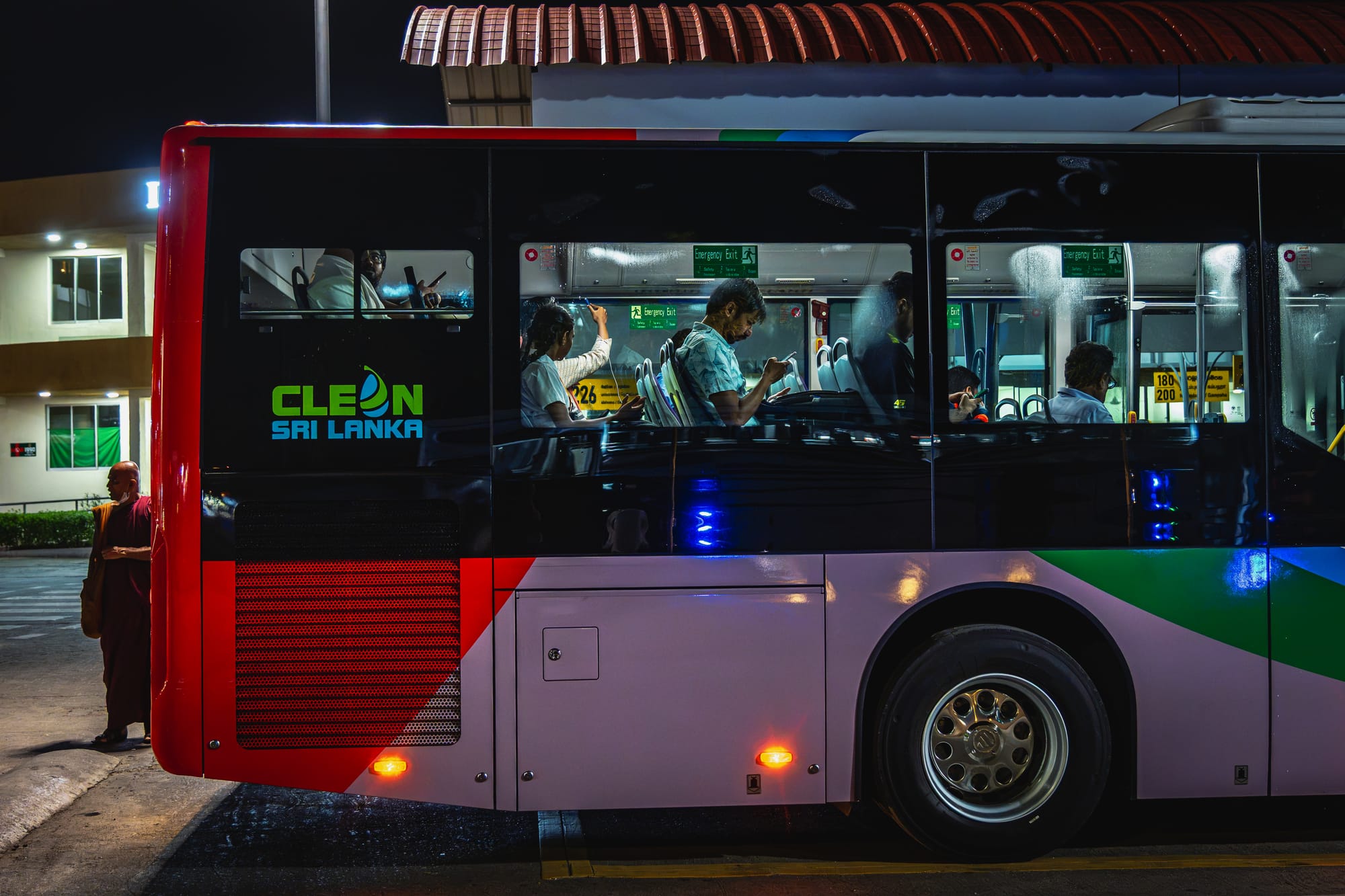
At the moment commuters can pay fares with cash, card, or app. Lanka Metro Transit, the state-owned enterprise operating the Metro buses, plans to stop cash transactions in six months, says U.P. Thilakaratne, the company’s chairman. The conductors, who all have driving licenses, will become bus drivers as the fleet expands.
The government’s also buying 50 new buses by the end of September. They’ll likely be deployed in Kandy and Jaffna by mid-next year. The decision to move out of Colombo came on the principle of treating the entire country equally, says B.M. Pilapitiya, the CEO of Lanka Metro Transit.
The long-term plan is electric, or EV, buses. The Chinese government is donating 100 EV buses — the first 25 of these will be deployed next April. By 2030, Pilapitiya says, the target is to have 400 EV buses in a Metro fleet of 600.
Long in the making
Previous governments mooted similar schemes in the past, but this is the first time plans have come to fruition. This rendition was President Anura Kumara Dissanayake’s idea, says Awanthi Senaratne, additional secretary of development at the Transport Ministry.
The project had a rocky start. Though the 2025 budget allocated 3 billion rupees to procure 100 low-floor buses, the cabinet didn’t approve the ministry’s first proposal — submitted early last year.
“The proposal was to create a separate unit to operate the buses under the CTB. The Treasury may have thought that it wouldn’t be successful under the CTB,” said Senaratne. She joined the ministry after this failed cabinet paper, when Bimal Rathnayake, the minister, hand-picked her to take over the project. Her cabinet paper proposed establishing a subsidiary under the CTB — a new state-owned company called Lanka Metro Transit.
The first step after cabinet approval was to find someone to spearhead the company. Pilapitiya, an engineer, was chosen as a consultant, and he later became its CEO.
While Pilapitiya went about establishing the company, the ministry wasn't idle. Senaratne got cabinet approval for the ministry to handle procurement until the company was set-up.
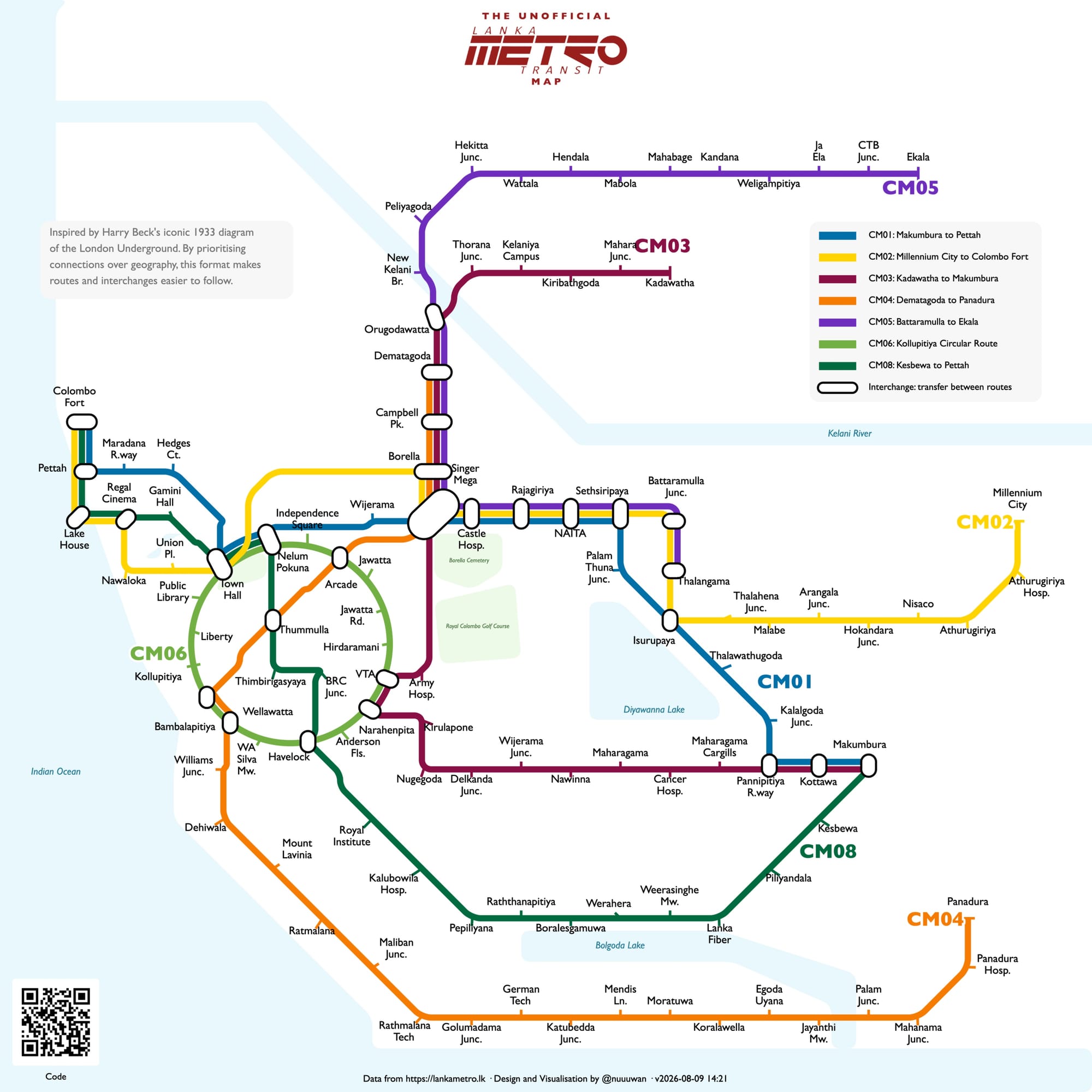
While waiting for the new buses, Clean Sri Lanka bought ten metro buses — prioritising disabled people. Though they were originally ordered for the CTB, the ministry decided that Lanka Metro Transit should trial them instead. Since April, these buses have been plying the Makumbura-Colombo and Makumbura-Kadawatha routes.