
The Examiner has more opinions than it has staff. We maintain unanimity in our facts, not the inferences we draw from them. This examination is no exception.
“We don’t say Dudley Sirisena has captured the market. We say he’s captured the kitchen,” a Pettah merchant declares. Stoneless, colour-sorted, polished, devoid of broken rice, and packaged in colourful cloth bags, shoppers increasingly buy top rice brands like Araliya, Nipuna, and New Rathna.
In Polonnaruwa, at the heart of Sri Lanka’s ricebowl, the top four millers captured half the market by 2019, the last year for which we have data. That’s up from 30% in 2011.
These concentration levels indicate the market is an oligopoly, and also raises concerns about millers’ political power.
Many old players have left the game, selling their mills and shutting down. There were 160 rice millers in Polonnaruwa in 2013. By 2021, this had reduced to about a hundred.
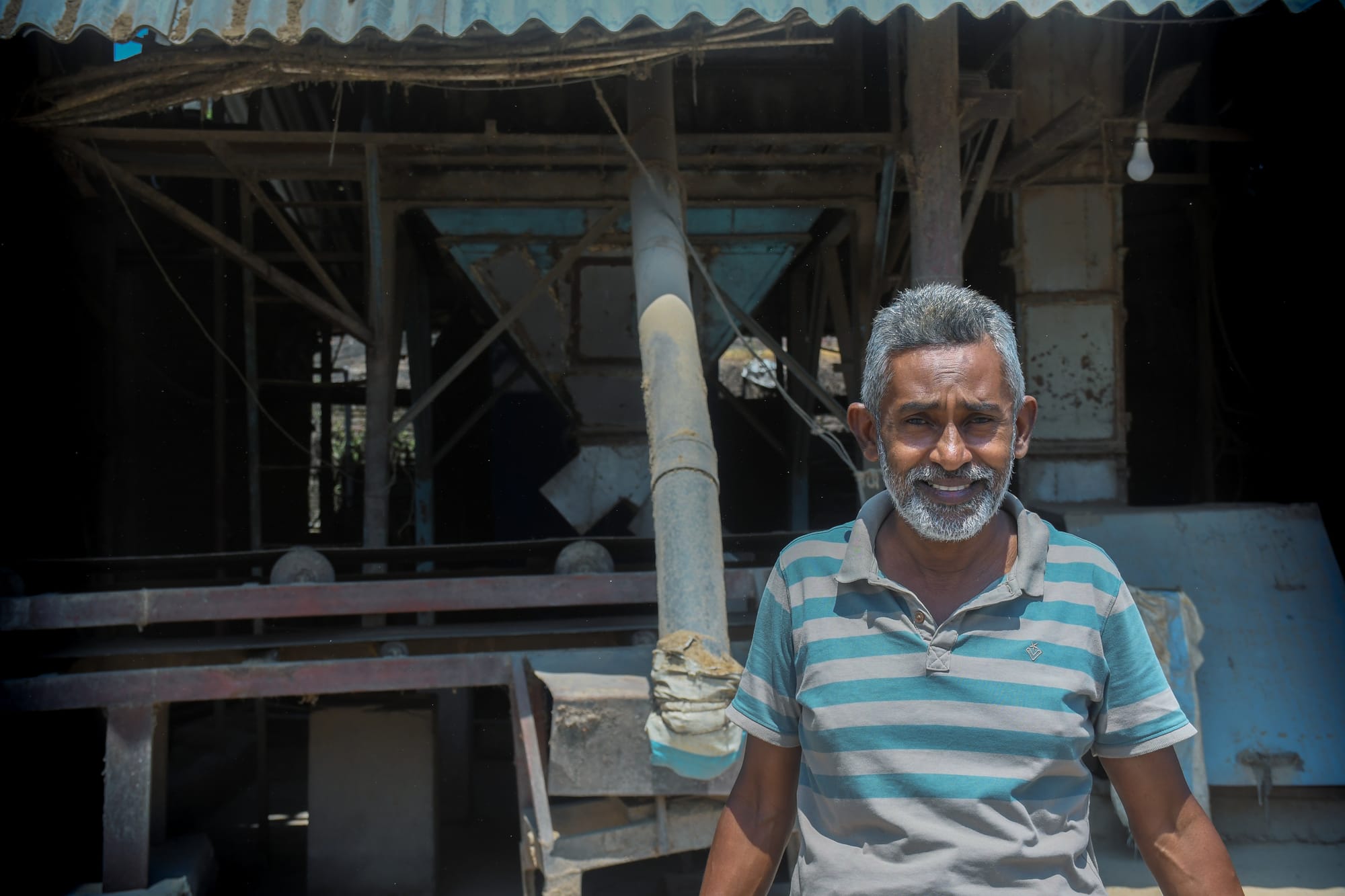
“They can’t compete with the big guys,” said Ilyas Mohamed, who is still operating his small rice mill in Polonnaruwa. He processes around 10 tonnes of rice per day. Medium mill owners process between 20 and 50 tonnes, and large ones over 50 tonnes.
It's not only on volume that small millers struggle to compete, it's on quality too. When a small mill owner’s child got married the cooks demanded rice from big brands like Araliya or Nipuna, said a Paddy Marketing Board official from Polonnaruwa. His own rice didn’t meet the cooks’ standards.
Off-season storage, game-changer #1
“The mill’s been in the family for thirty years,” explains Mohamed as he shows us around. Rice bags are stuffed into every nook and cranny. Storage is extremely important for quality, he explains.
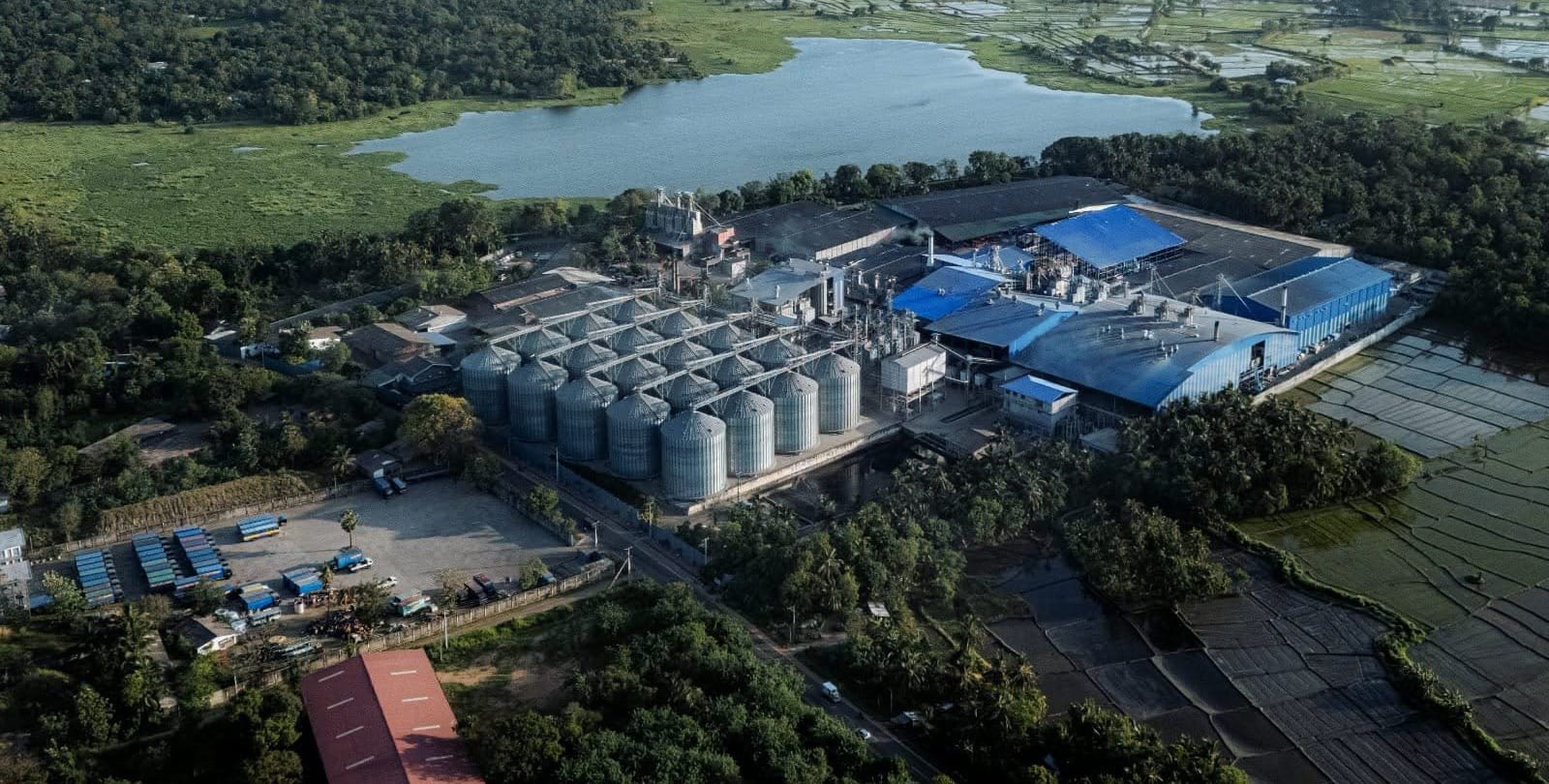
When dried paddy is stocked for six months it gets even drier, improving its final quality. Big millers have invested in silos and warehouses, allowing them to store thousands of tons of paddy, and charge higher prices. As of 2019, two millers alone had enough silo capacity to store a tenth of all paddy produced in Polonnaruwa. This doesn’t include their warehouses or third parties who store on their behalf.
Small mill owners like Mohamed aren’t able to store the same way. They also don’t have the cash endurance to hold off on quick sales and sell better quality rice at a higher price later. Short loan maturities, typically about six months, also makes it harder for small millers to use the same store-now, sell-later strategy.
A Pettah merchant who had been in the trade for the last three decades said, Sirisena was the “first person to purposefully start storing paddy” in order to improve quality. In Pettah, the merchant who wished to remain anonymous, is a middleman between miller and retailer. He first met Dudley Sirisena, Araliya’s founder and chairman, in the 1990s when he walked into his shop in Pettah and talked business over a tea and cigarette.
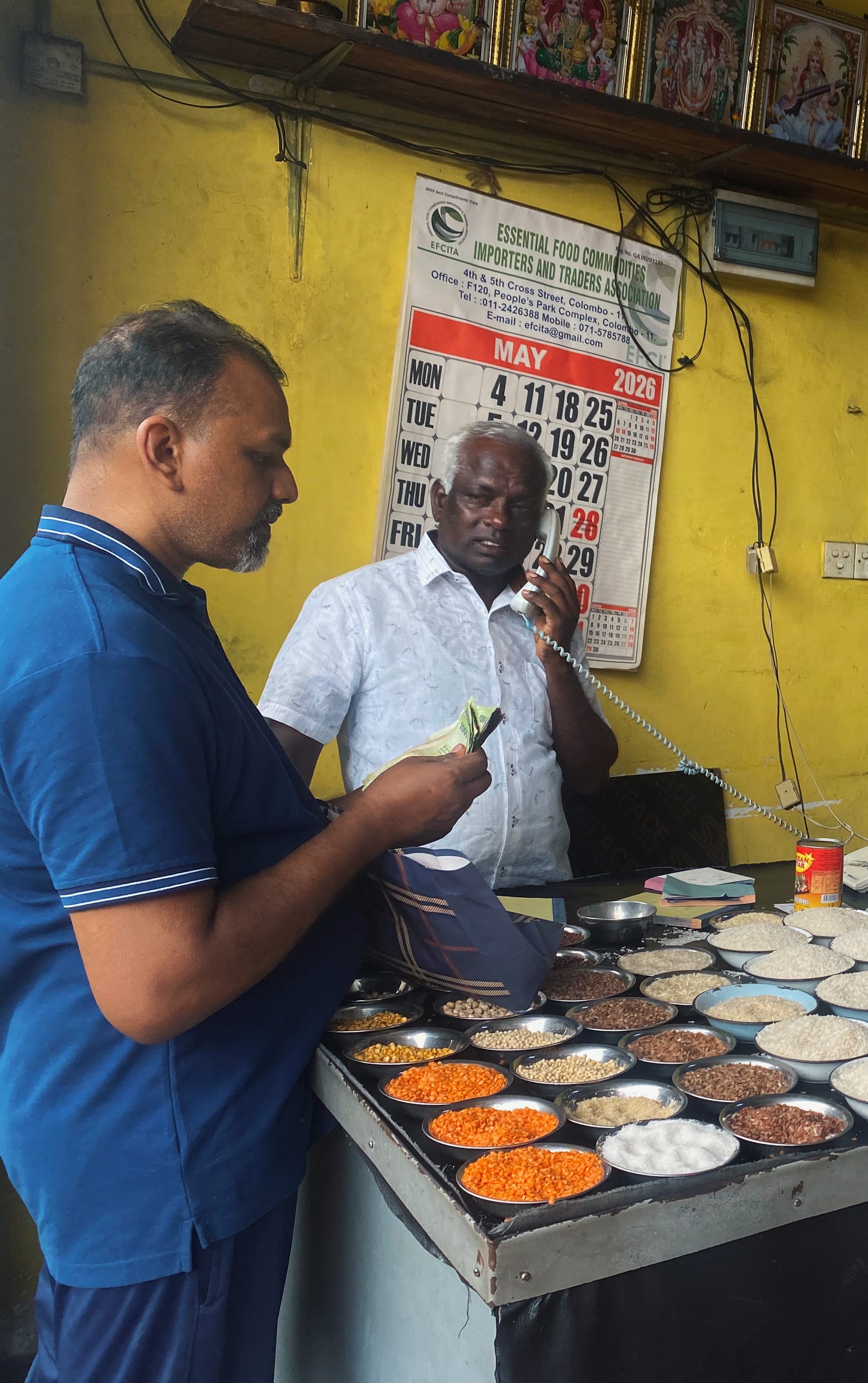
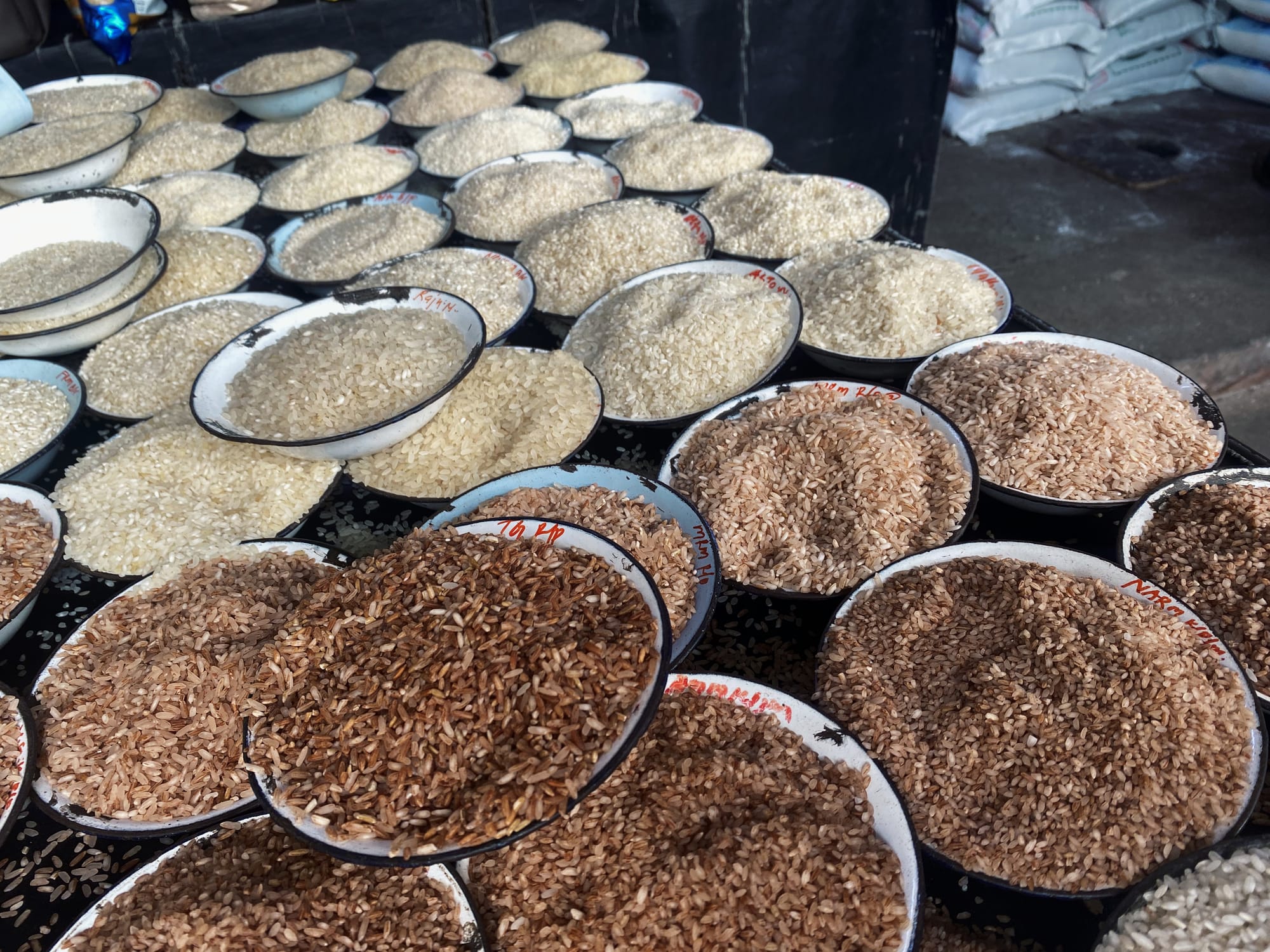
Pettah merchants display rice by the mill name.
“He wanted me to be his agent.” But the Pettah merchant has since grown annoyed. Although branded rice like Araliya can get excessively expensive as the season turns, he has no choice but to sell it.
For instance, he explained that this season, soon after the harvest, branded keeri samba was purchased by wholesalers for 330 rupees. But it sells for 380 rupees in the off-season — a 15% increase in just two months. “They’re making a killing.”
This season, keeri samba is in short supply. Companies figured out its becoming increasingly popular in cities and offered farmers especially good prices. In a twist of fate, industry insiders now expect a nadu shortage in the next season, as farmers over-plant keeri samba, dazed by the profits from last season.
The price differential between season and off-season is significant, providing a strong incentive to store paddy not just to increase quality, but also to secure higher prices. The Pettah merchant writes a bill to the mill owners for the government-mandated maximum price. But in reality he pays the higher premium. Under the table, or in this case through a bank transfer, he pays the mill owners a higher price than the maximum retail price, passing on the cost to his retail customers.
Big millers make a very public show of competing with each other, like when Araliya’s Sirisena and New Rathna’s Mithrapala Lankeshwara bought Rolls Royces back-to-back earlier this year. But many in the industry think these big players are colluding behind closed-doors.
They suspect top millers manipulate prices by coordinating the volume of rice they release to the market. “I’ve been to stakeholder meetings, called by the government, with the companies, consumer affairs authority, and the ministry,” said the Pettah merchant. “They fight, but it's clearly just for show.” A former government official who was involved in similar negotiations during a previous government agrees. “Sirisena is their spokesman,” she said.
Sirisena has regularly denied the allegations on TV interviews.
Mechanisation, game-changer #2
Even though branded rice costs more, shoppers still want it. To prove his point, the Pettah merchant asks a customer buying a bag of rice to buy un-branded keeri samba for 30 rupees cheaper. The customer refuses.
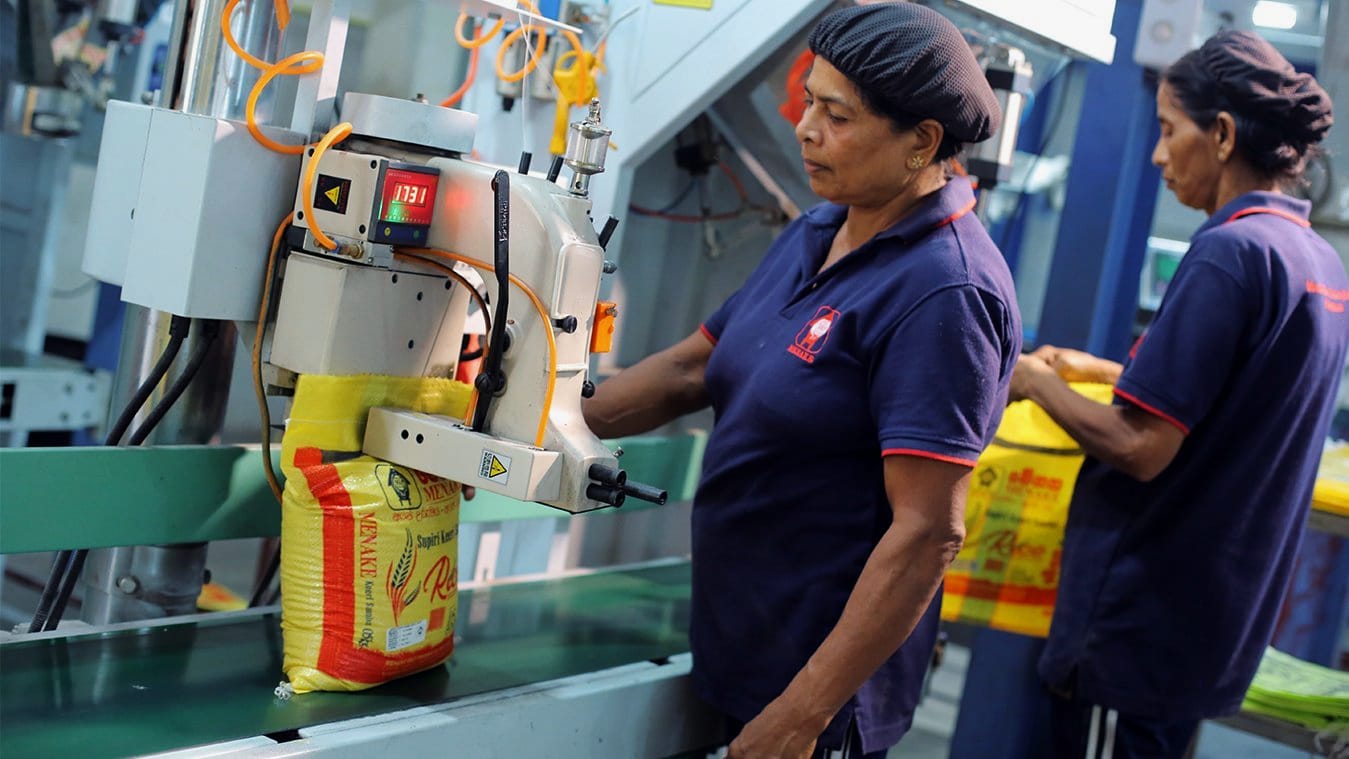
The secret is partly branding, but it's also quality. Paddy today goes through multiple layers of processing. It's dried, soaked, colour-sorted, de-stoned, polished, separated, and graded.
“The more machines you have, the better the quality of the product,” explains Mohamed. He puts his paddy through two types of de-stoners and two types of polishers. Bigger mills will put them through many more of these machines.
They also have other equipment, like packaging machines, which speeds up the process. Mohamed still hand packages. Still, with his mill increasingly relying on modern machines, Mohamed reduced his staff from 25 to just six in the last 10 years.