The Examiner has more opinions than it has staff. We maintain unanimity in our facts, not the inferences we draw from them. This examination is no exception.
“We still call him Anura Aiya, and he calls us ‘malli’,” says a minister’s staffer who resigned a few months back, unhappy with the government. He continues to hold “Anura Aiya” or President Anura Kumara Dissanayake in high regard. It’s another cabinet minister — Bimal Rathnayake — who disappointed him.
Where Dissanayake remains humble and approachable, Rathnayake — the minister for transport, highways, and urban development — pushed many away in the last two years. His weighty brief, combined with his standing as an outspoken JVP politburo member, makes him perhaps the most visible minister in cabinet. He’s seen opening roads, fixing railway stations, dressing down officials, and berating the opposition — as one would expect from such a seasoned politician.
But in the last two years, he has also faced more resignations than any other minister. The six who left include personal staff, civil servants, and state-owned enterprise executives.
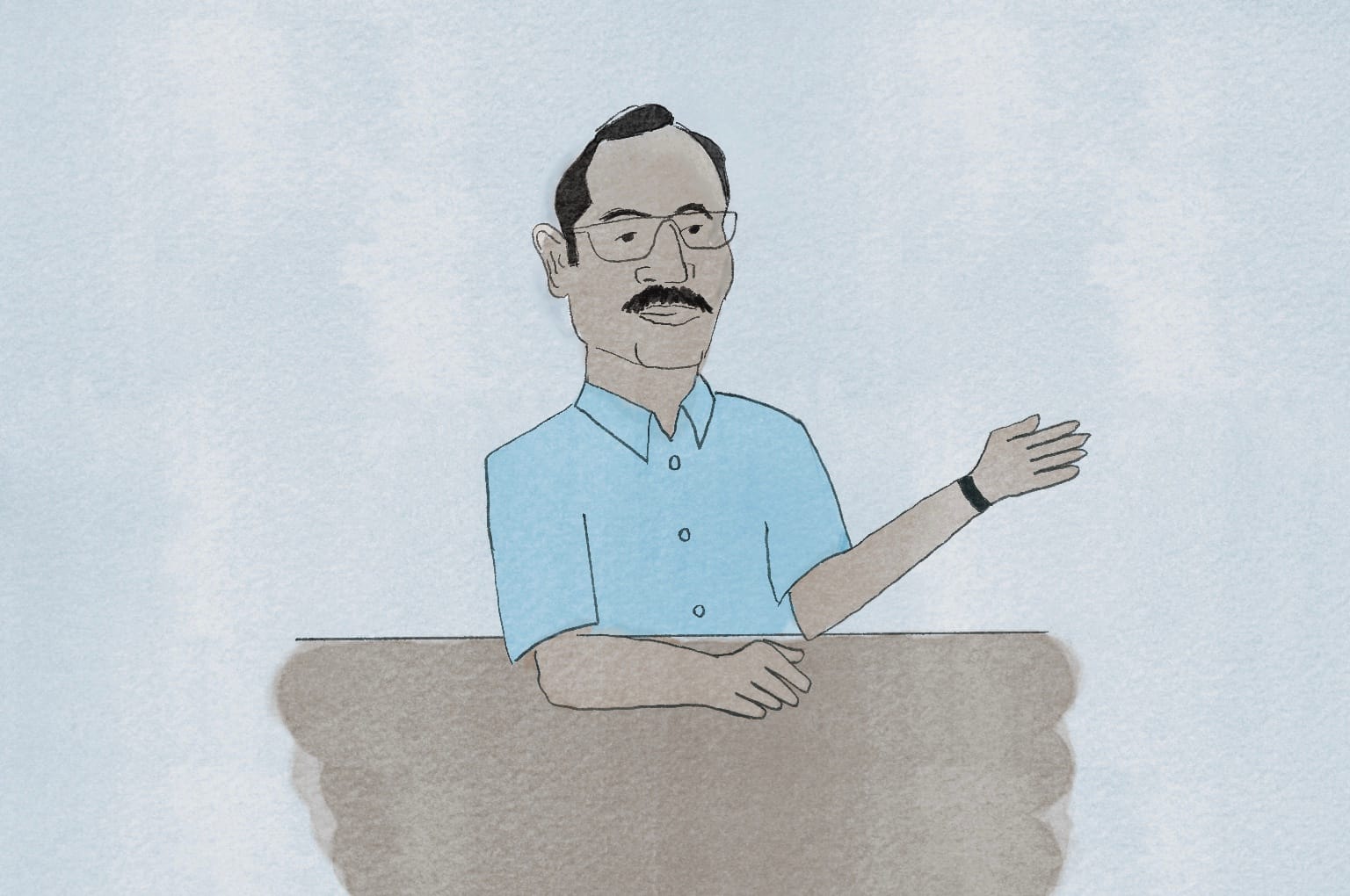
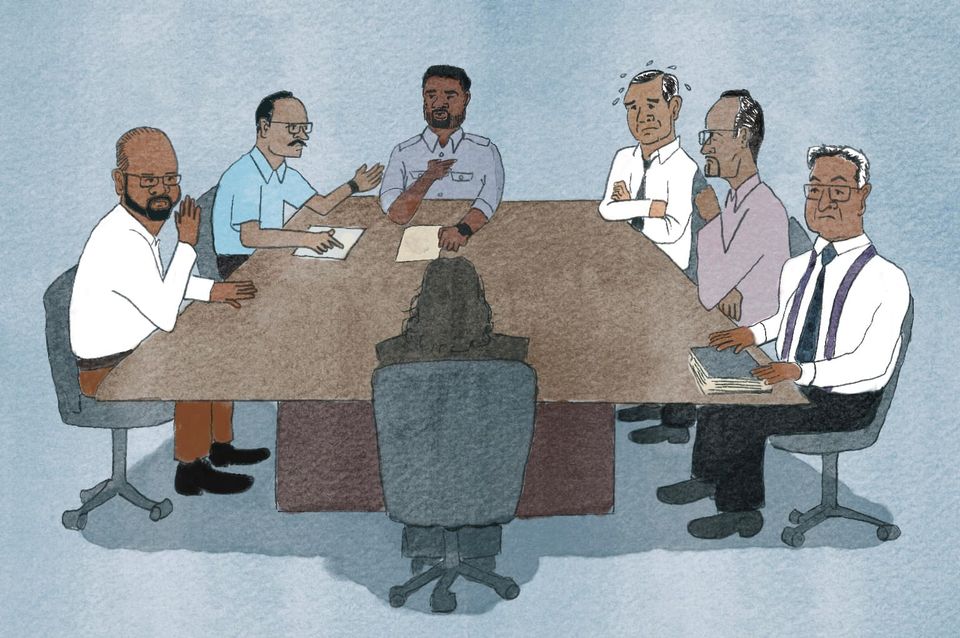
Ramal Siriwardena was one of the first to go. A survivor who had chaired the CTB under three previous governments, he lasted just three months under Rathnayake. He resigned after the minister publicly rebuked him at a packed meeting over the filthy state of a bus stand. Clean it by morning, or resign was the ultimatum. Siriwardena resigned.
Rathnayake’s egotistical attitude is a common complaint in ministry corridors, the Parliament lobby, and even among former political bedfellows.
But he’s also an authoritative and decisive cabinet minister who gets things done. He’s overhauling the bus system, bringing in metro buses in the system’s biggest shake-up in recent history. People listen to him. The one time he turned up for the Ditwah task force meeting, officials listened when he laid down the law.
Newbie
Few of his colleagues share that authority. Many of the NPP's ministers are novices, still easing into their ministerial seats — and none more visibly than Susil Ranasinghe, the housing minister and Rathnayake’s co-chair on the Ditwah housing task force. He’s out of his depth, say those who work with him.
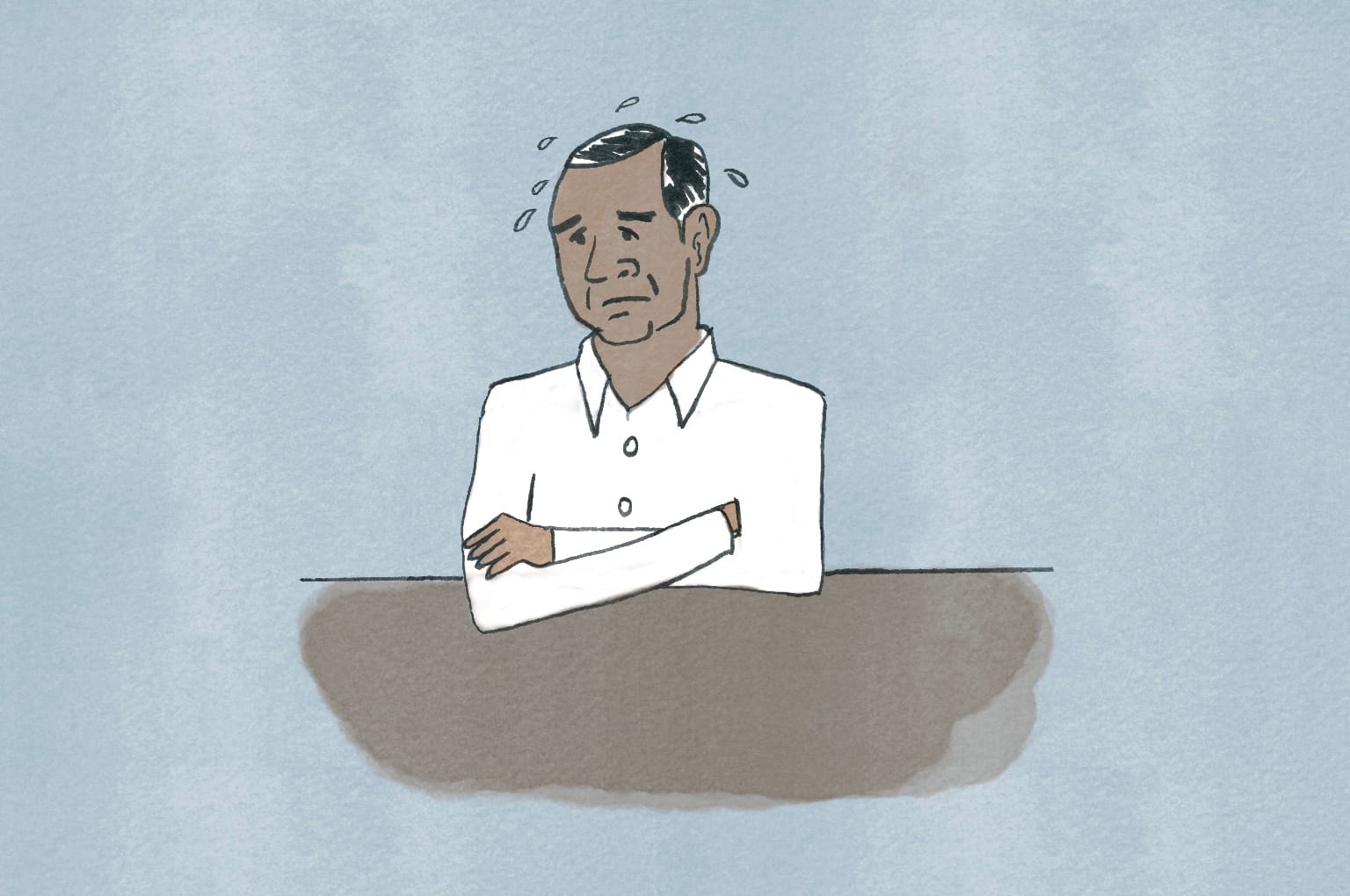
The cyclone damaged over 100,000 houses. Over 150,000 people are yet to be resettled permanently. Ranasinghe is “lovely”, say two members of the task force, but not up for this mammoth task. When stakeholders clash, he fails to step in. And he fails to push. The task force has met just four times since it was set up.
Jinxed
First-time ministers aren’t the only ones holding things up. Insiders point to another culprit: the NPP's so-called shadow cabinet — party subject committees, which ministers consult before acting.
The committees, organised around broad policy domains such as law and engineering, were formed before the last elections as an offshoot of the NPP's National Intellectuals Organisation. In the run-up to polls they proved instrumental in organising and mobilising middle-class professionals. Even if they didn’t always agree on policy, they were united on what the government’s mandate should be: eradicating corruption. Since the NPP’s victory, however, they’ve assumed a dual role, acting as both lobbyists and advisers.
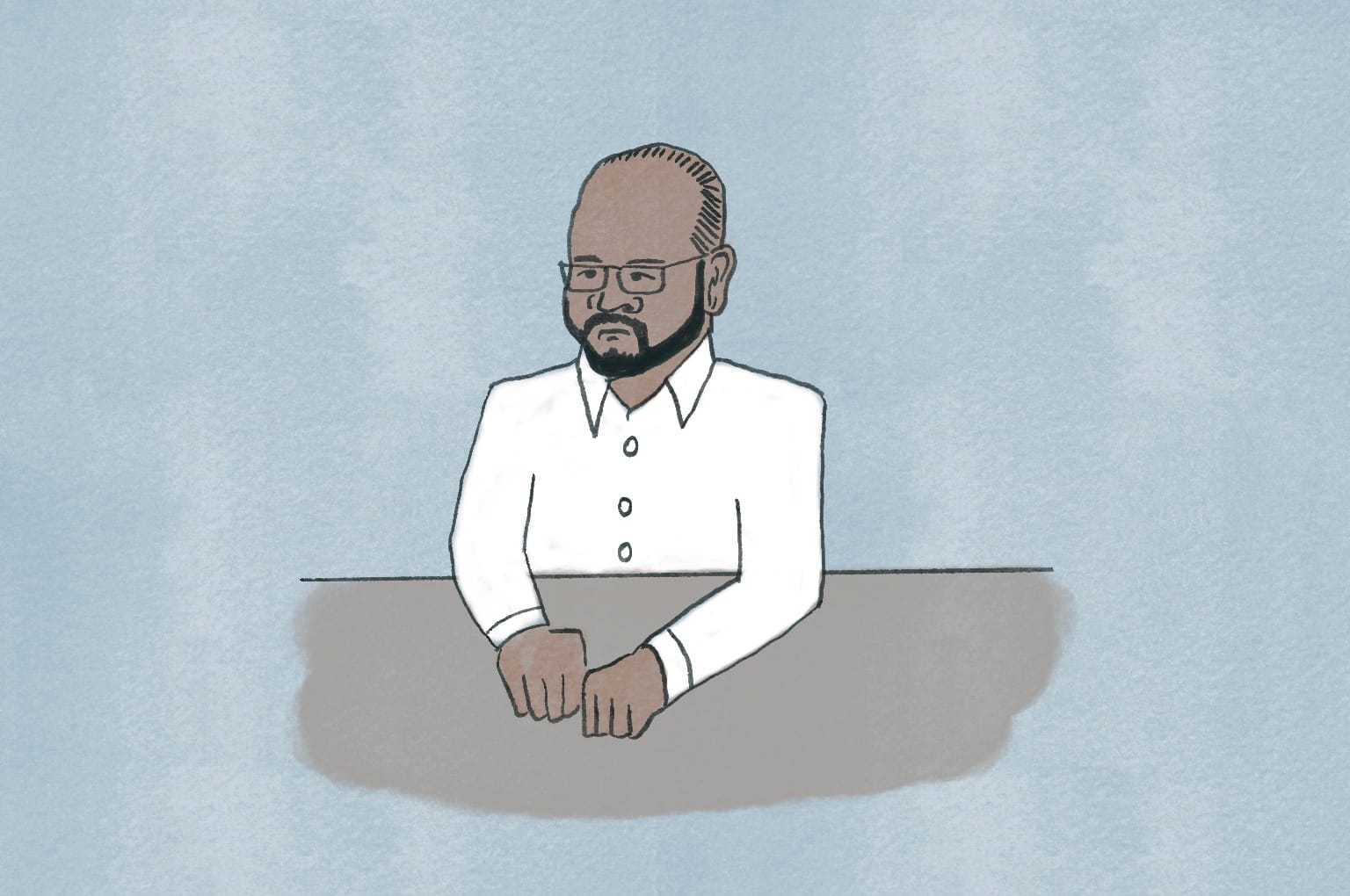
Kumara Jayakody, the former energy minister, met his subject committee weekly. “If the minister had implemented the decisions taken there, it would’ve been good. But there are too many ideas at Pelawatte, too much talking at cabinet, and not enough decision-making,” says an Energy Ministry official who worked with him.