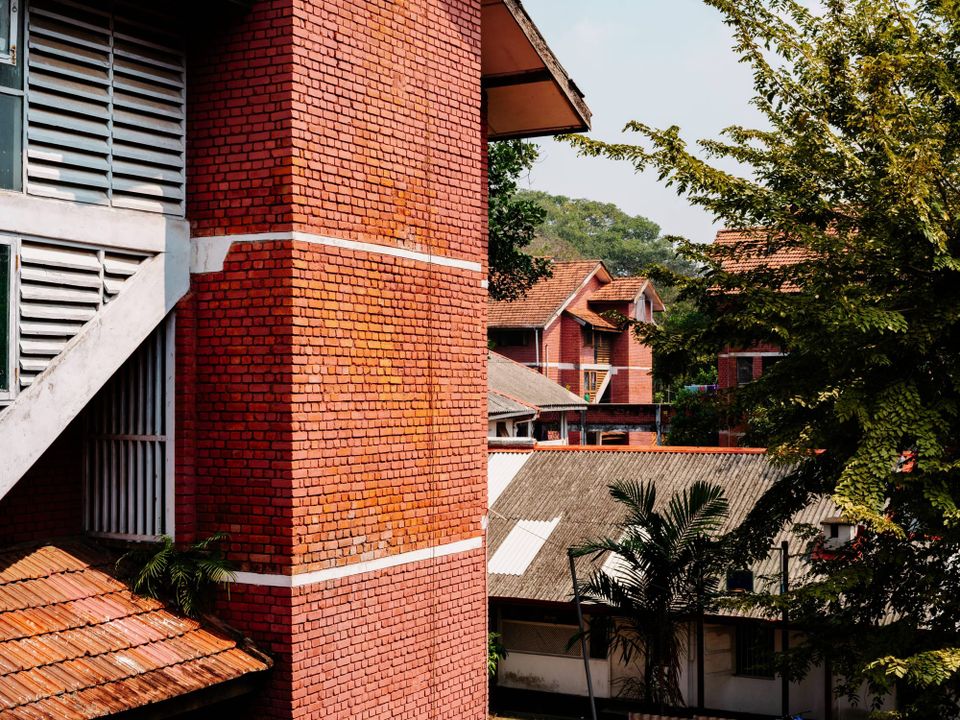
Torrington Flats, though of laughable density today, represented a shift away from bungalow-style living. Built in 1950, 14 blocks – four stories high, with two units per floor –encircle a large playground on eight acres of land. At the time, the flats’ high ceilings, balconies, large windows, and generous proportions convinced Colombo residents that, though in the air, they could still occupy an elite space with colonial trappings.
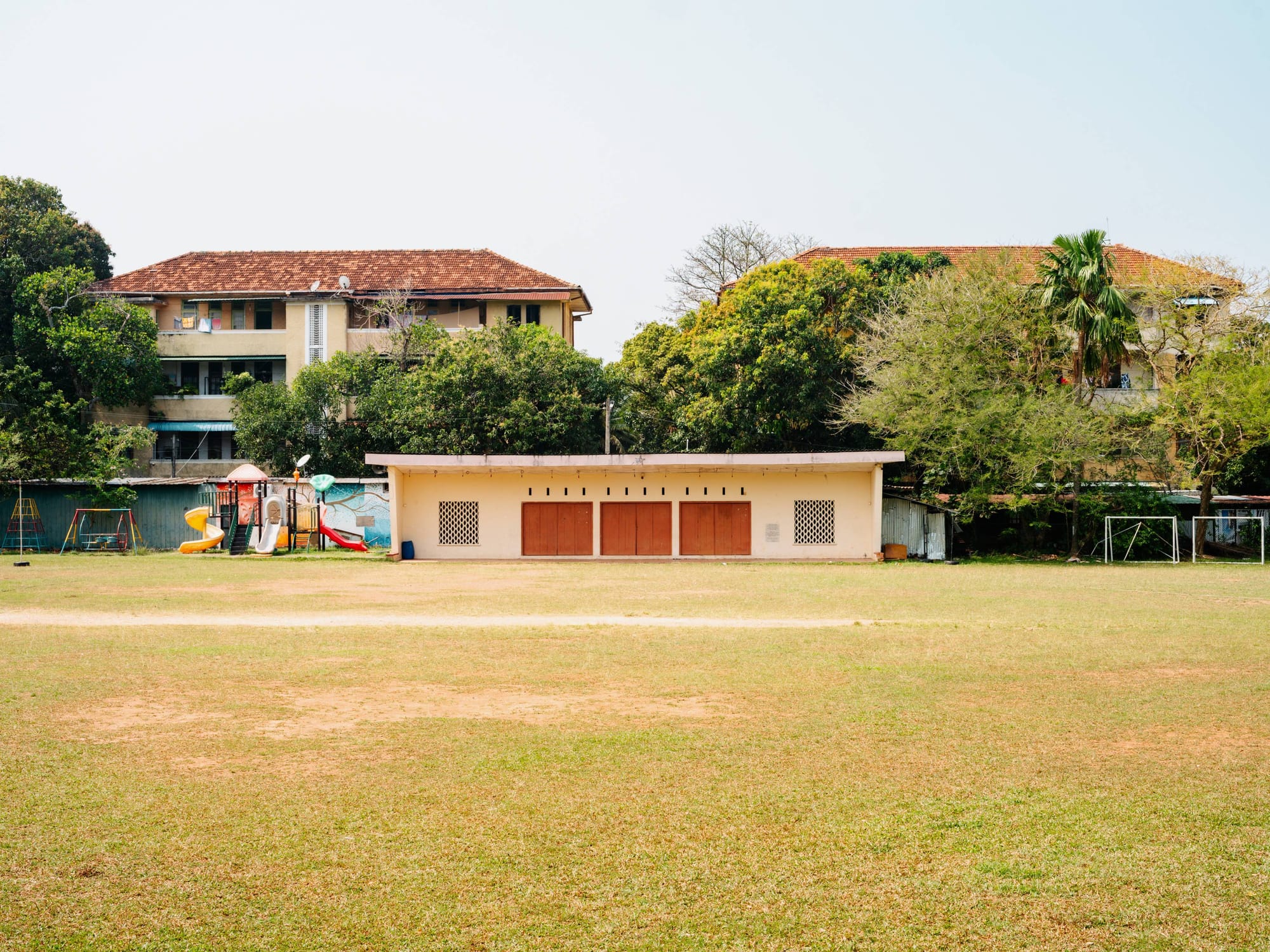
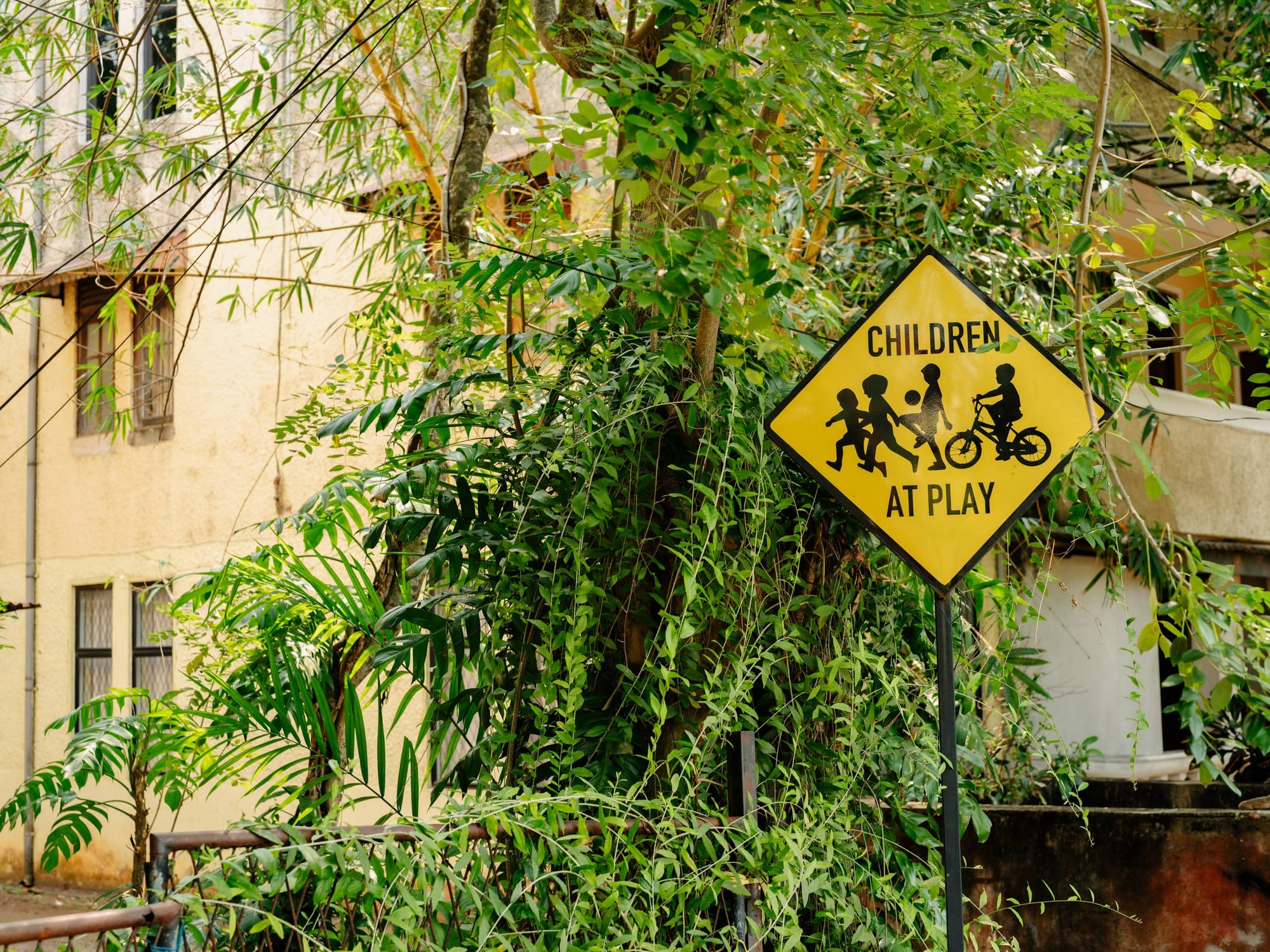
Torrington flats provides ample space for family life. But the dizzying land value has put families under pressure to sell to private investors. Photo: Tavish Gunasena
“There’s a sense that it was to convince government servants that they can still be in a bungalow-like space, through the quality of living, light, and space,” muses Chiranthi Warusawithana, senior lecturer at the City School of Architecture.
Torrington Flats became the first of many multi-storey apartment buildings that governments would build for middle-income government servants in the next two decades. As housing was changing, so too was Colombo city — for all social classes. Architects like Minette De Silva captured these changing times: “We must re-orientate our ideas for living comfortably in congested towns like Colombo, where we no longer have expansive acres of garden and spacious cool pillared halls.”
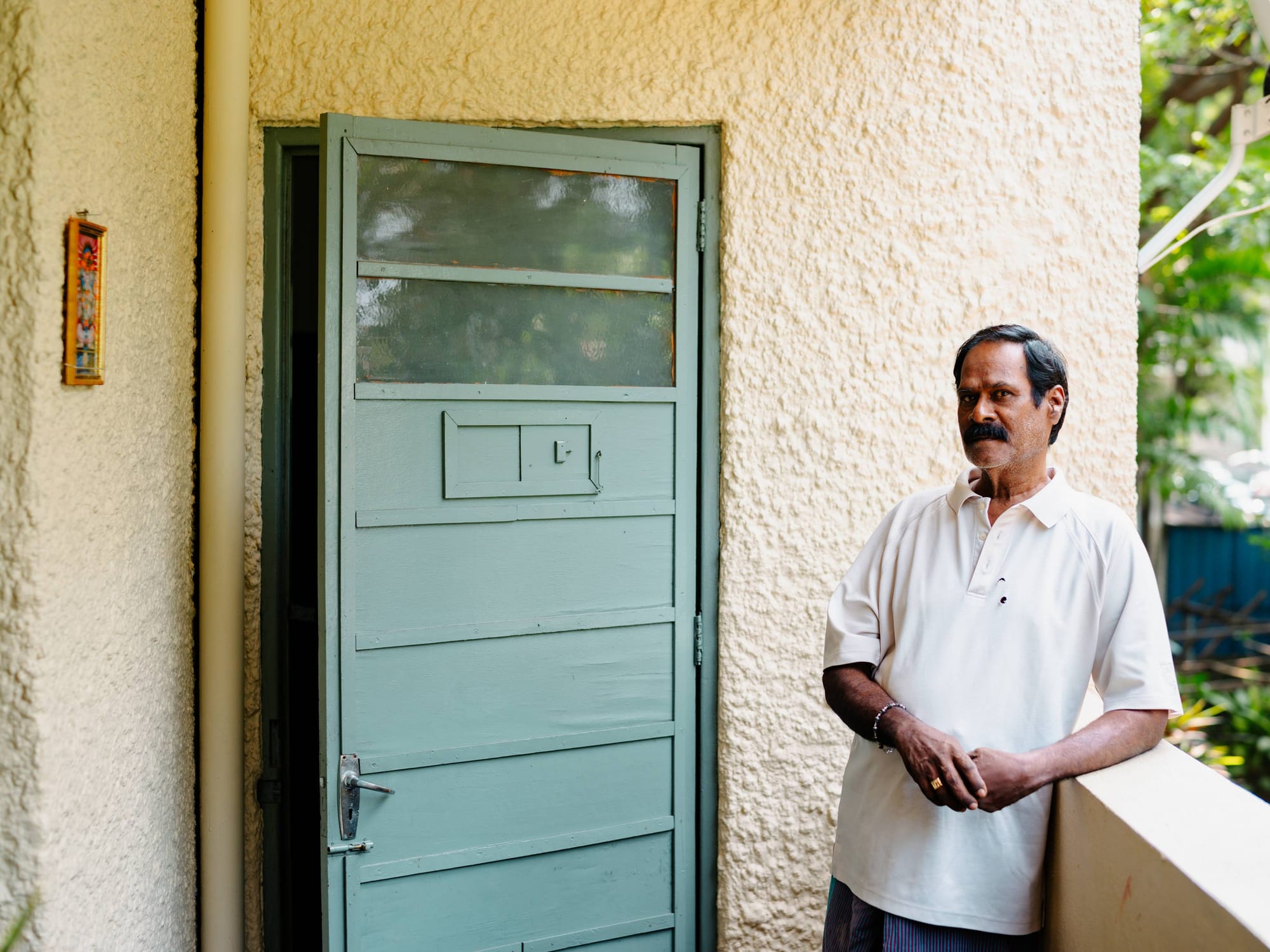
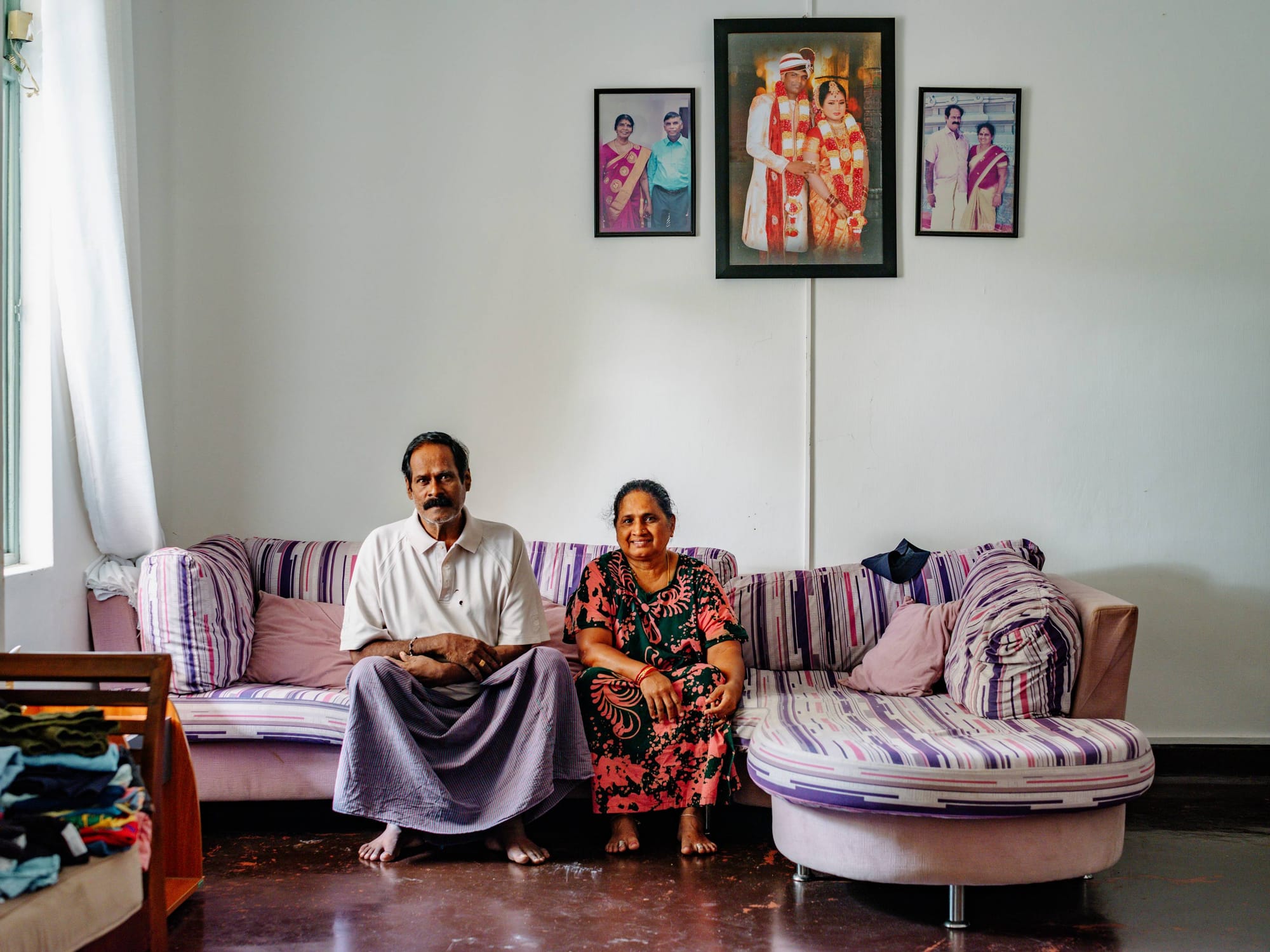
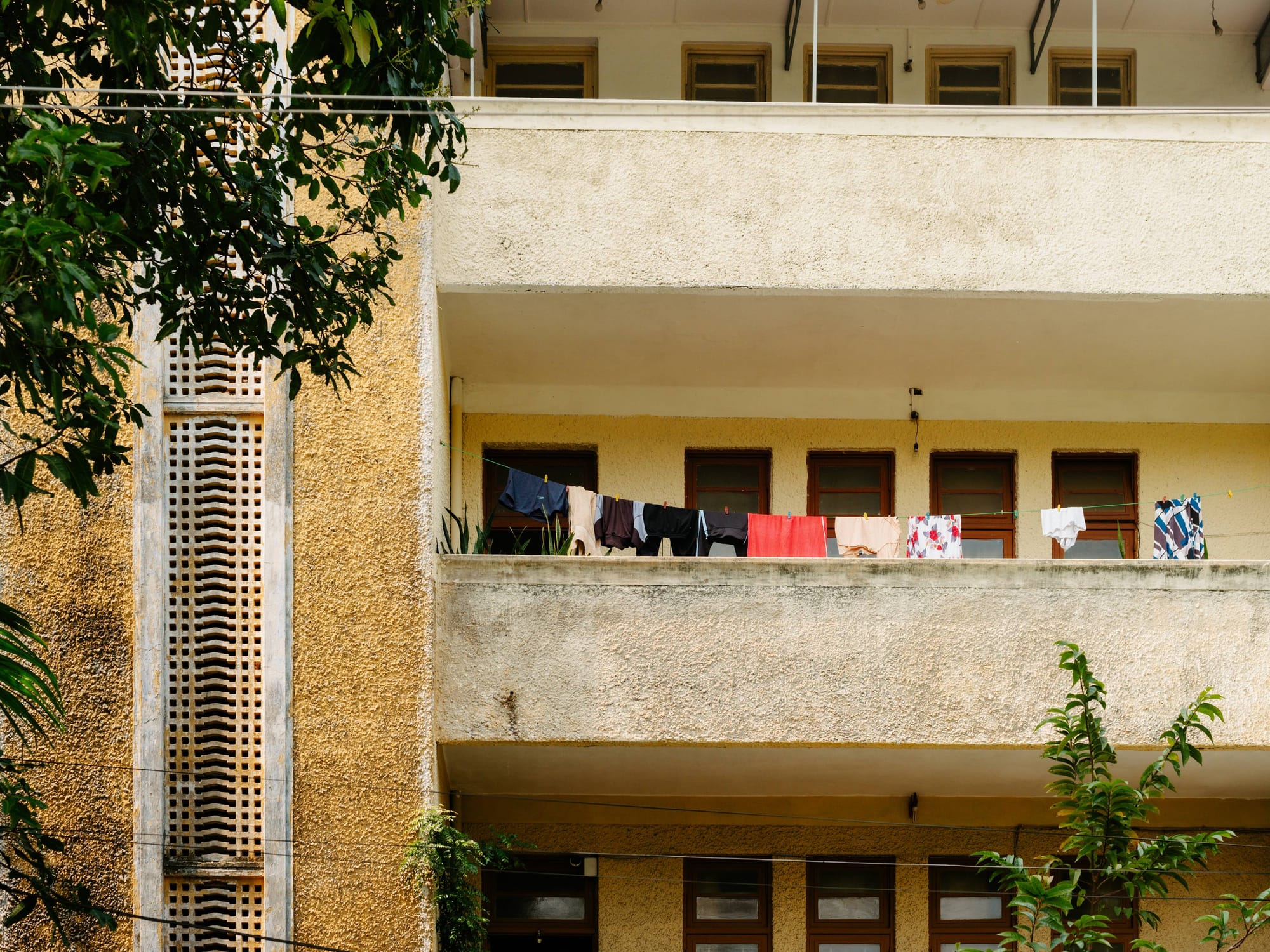
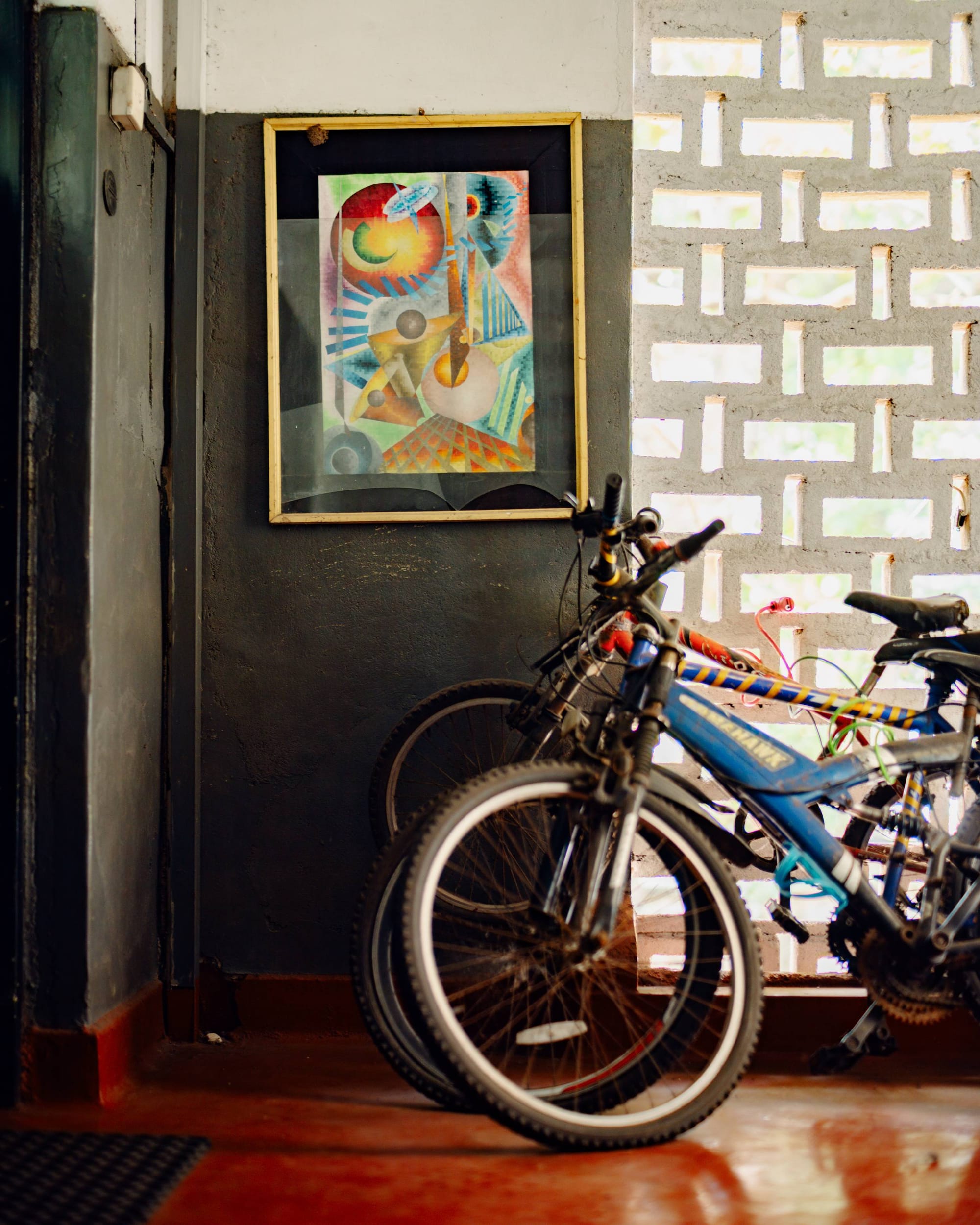
Photos: Tavish Gunasena
Her own apartment project, the Senanayake Flats, was thus an attempt to build a ‘bungalow in the air’. De Silva designed four blocks, each three storeys tall, to house ten units and ten ‘carports’ with courtyards between the blocks to ensure light and ventilation.
As De Silva went about building the flats from 1954 to 1957, she didn’t touch a single tree on the site. She opened up the staircase to “avoid the dark, dismal, dank, depressing access stairs normal to apartment buildings in the tropics”, and bemoaned that the client’s alterations “allowed driving rain to penetrate the structure.” To date, the flats blend seamlessly into the neighbourhood at Gregory’s Road.
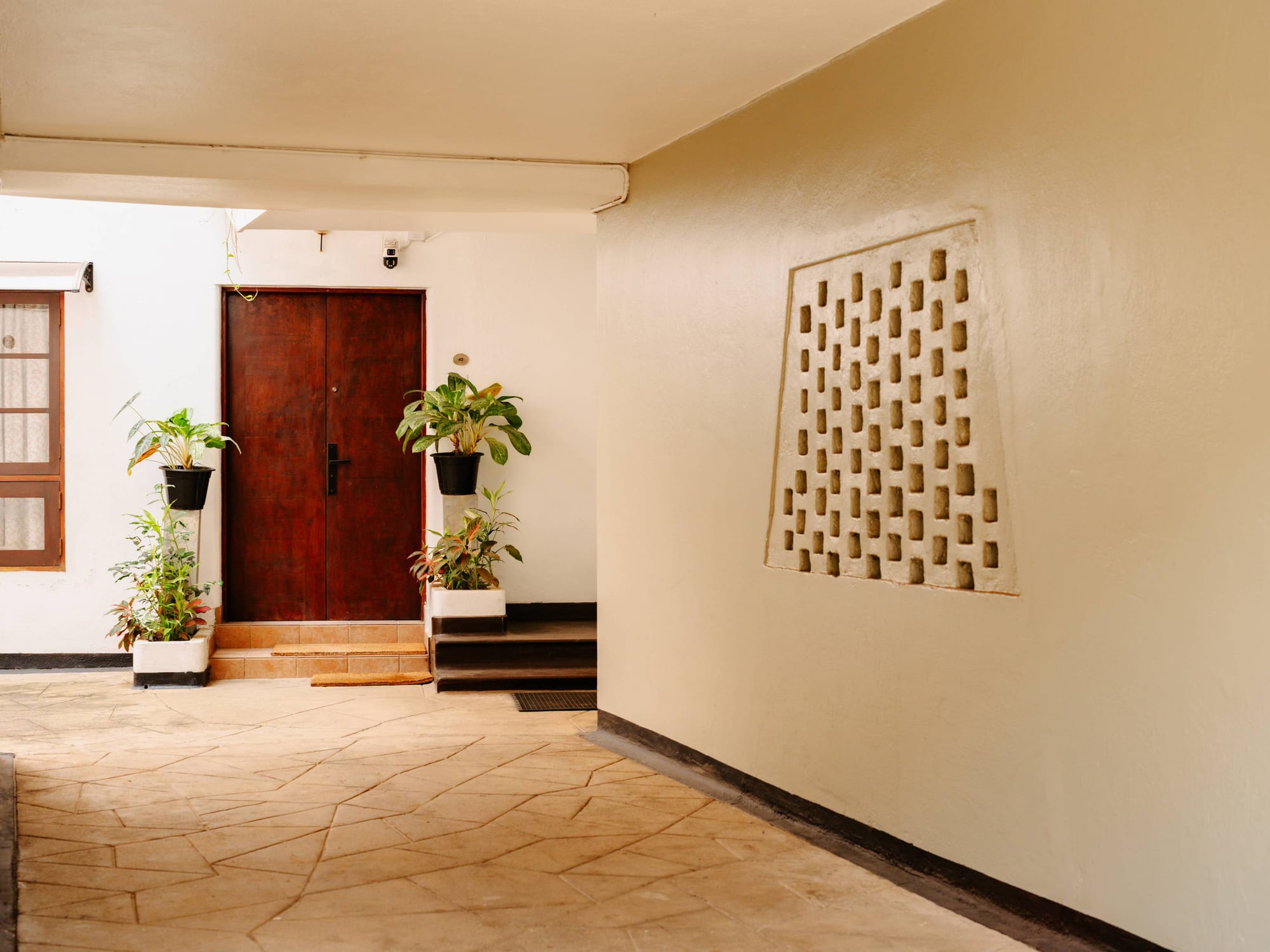
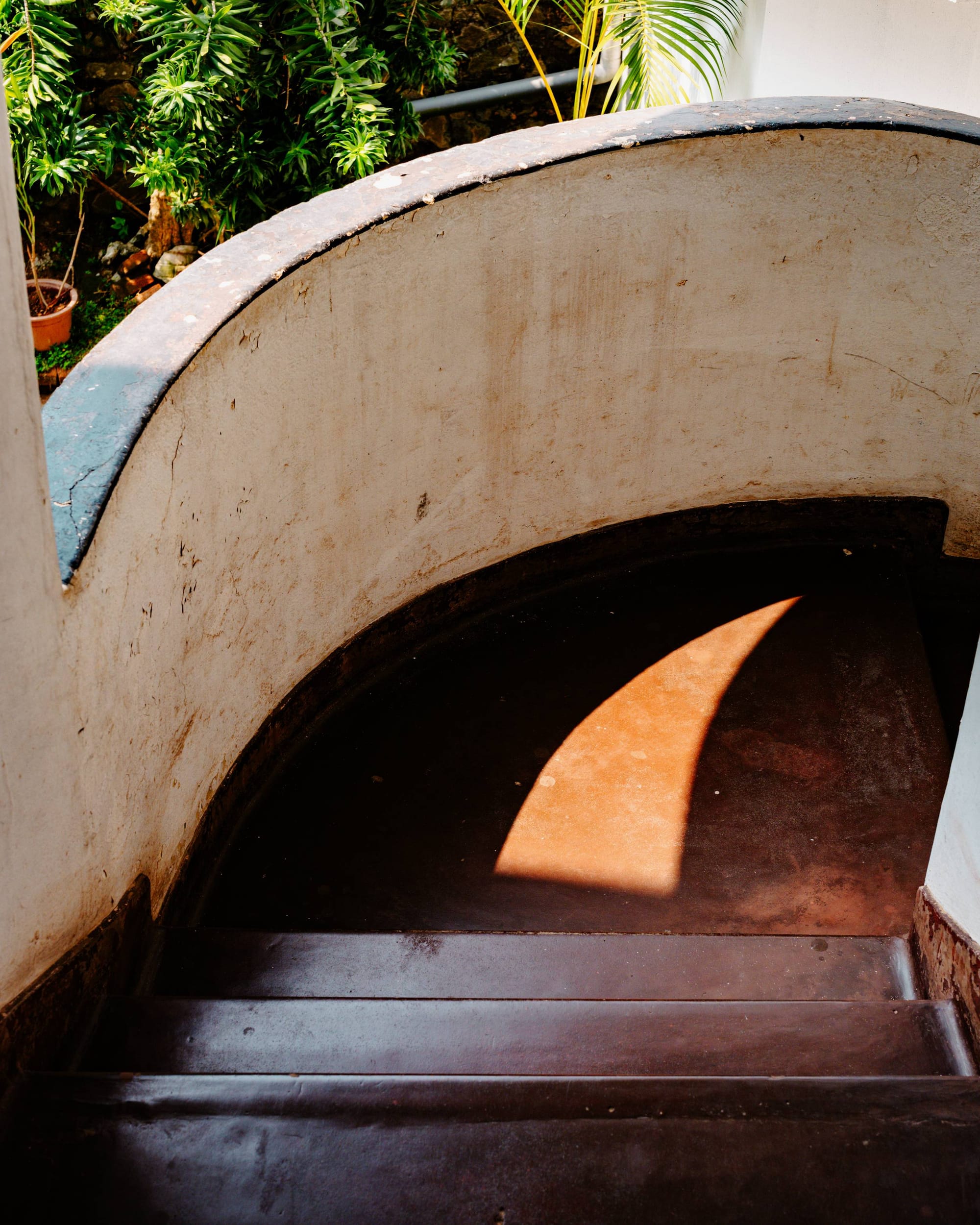
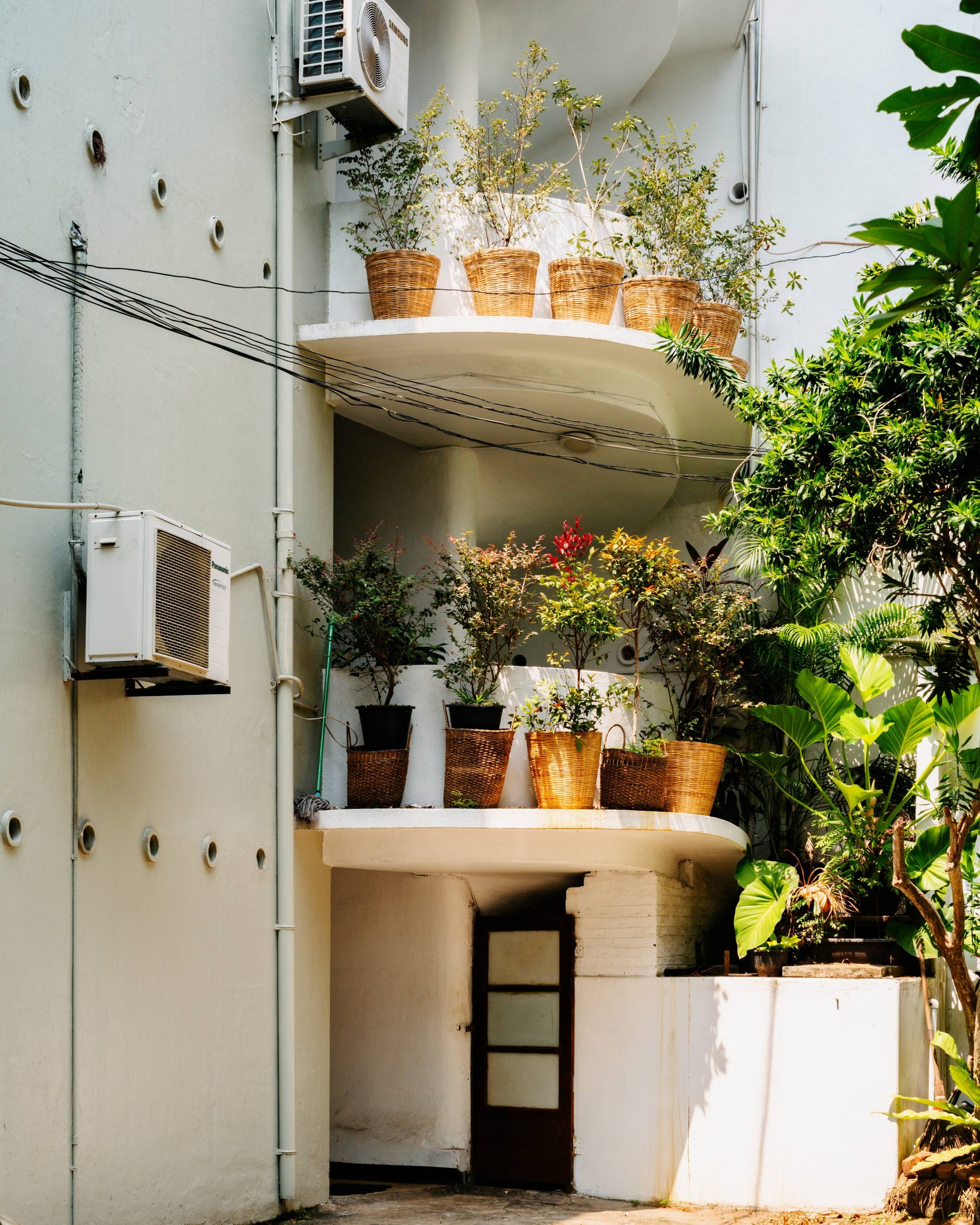
Photos: Tavish Gunasena
Two decades after De Silva dreamt up Sennanayake Flats, Summit Flats rose up at Keppetipola Mawatha. The State Engineering Corporation conceived them firstly to accommodate foreign journalists during the Non-Aligned Conference, and secondly to house middle-income government servants.
At the time, architecture was reckoning with the legacy of mass housing in the modernist tradition, and reorienting housing around the needs and scale of the user. Continents away from the island, Christopher Alexander was designing low-cost white collar housing in Peru.
Architects Turner Wickramasinghe and Upali Karunaratne sought to localise Alexander’s design ideas to a Sri Lankan context. Both architects were passionate about designing for the user, worried about a housing situation where the occupants are unable to identify themselves with the “cold dead shell” given to them without choice or consultation.
The architects of Summit Flats attempted to bridge traditional housing with vertical living. They identified 21 behavioural patterns for housing in Sri Lanka and reinterpreted traditional solutions, local customs, and preferences in their designs. The pair reworked these local preferences – like verandahs, finishes, and bedrooms – resulting in a “design method that follows a known scientific theory and is linked with the planning traditions of this ancient land.”
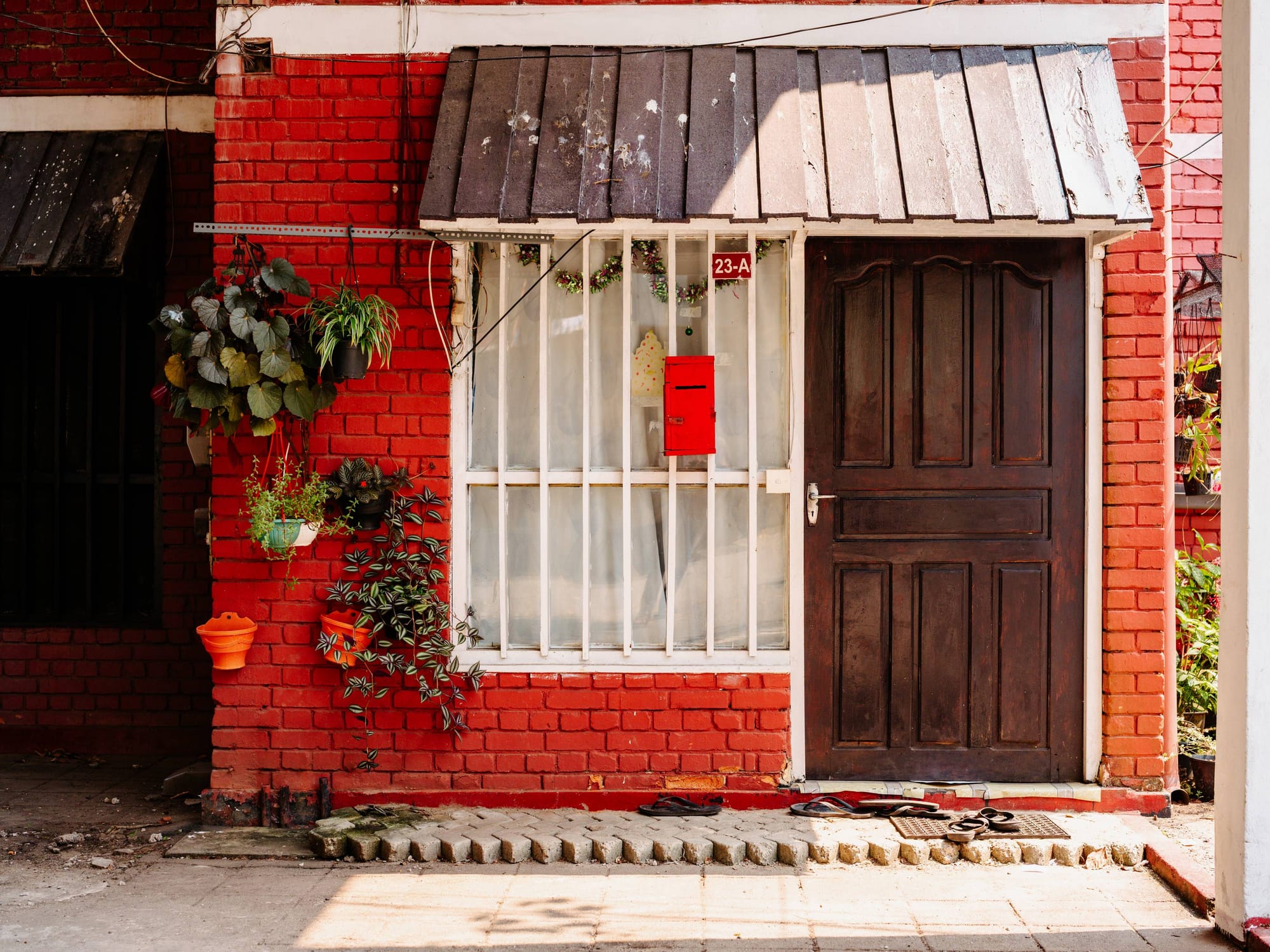
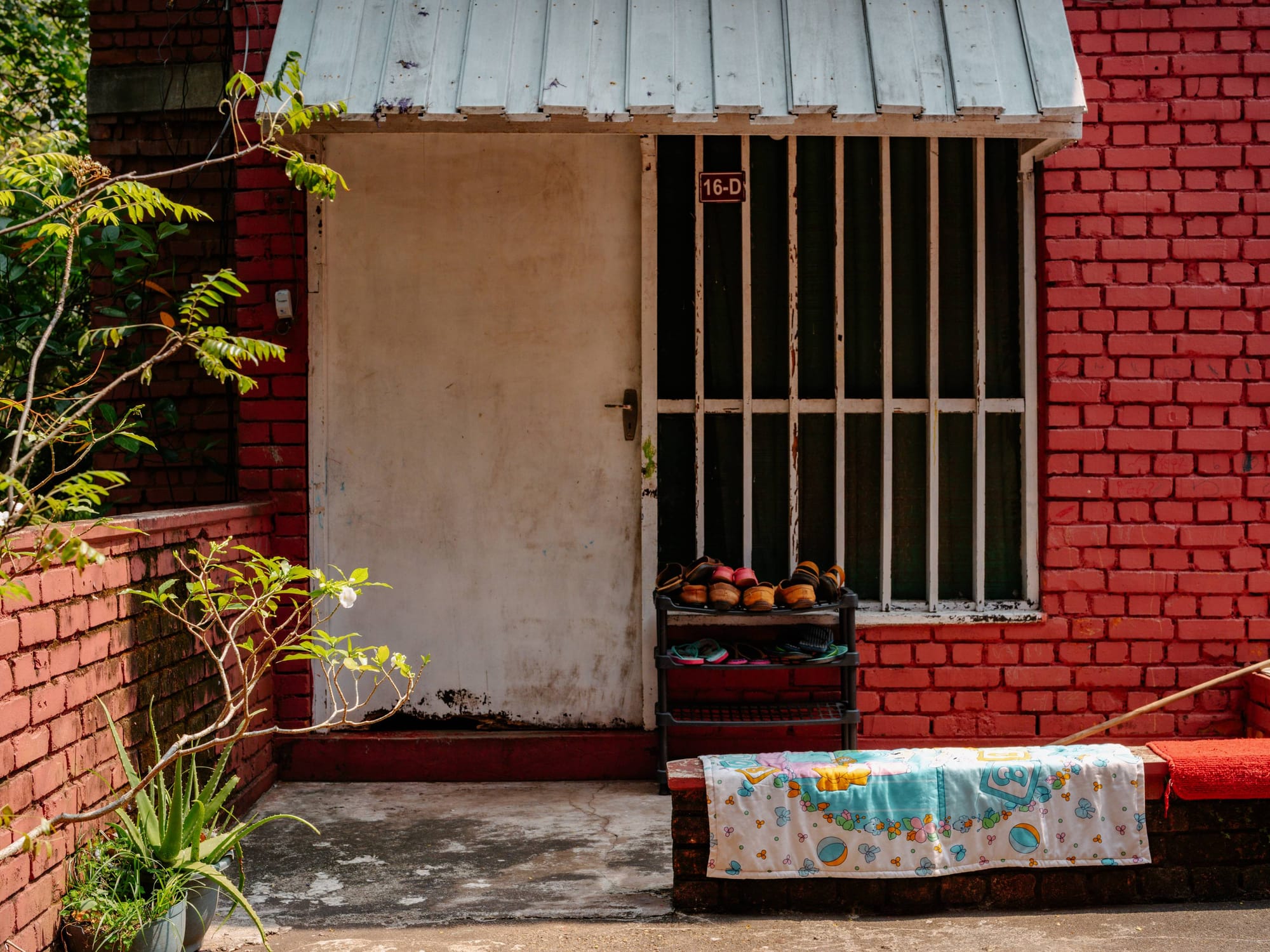
Photos: Tavish Gunasena
Summit Flats prioritised how people live, over heroic architecture, and tried to understand how a building works in the tropics, observes Milinda Pathiraja, an architect. As a scheme that works within the context of the city, Wickramasinghe and Karunaratne consciously tried to preserve the pattern of roads, lanes, open spaces, and trees familiar to any middle-income house.
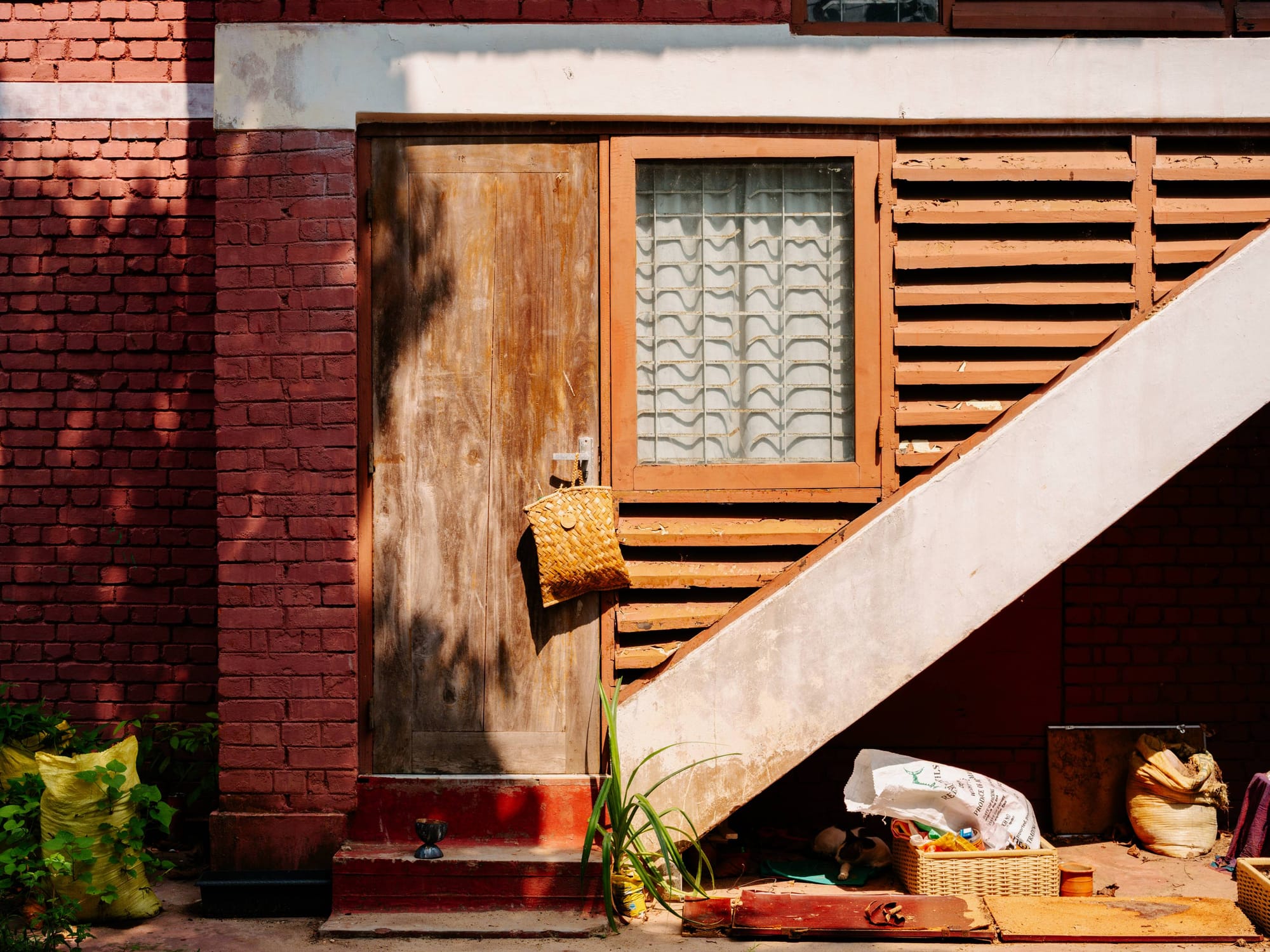
Like De Silva before them, they also preserved all the trees on the site. Instead of a central open space, elevated walkways were designed to function as ‘streets in the air’, connecting residents to their surroundings and to the ground. The skyways also protect ground-level pedestrians from the rain.
The unplastered engineering bricks saved costs while adding a “charming earthy tone” to the buildings. The bricks were also expected to weather with time as neither painting nor maintenance were needed. Natural air flowed through the flats with the help of low-cost timber louvers and poles in place of windows.
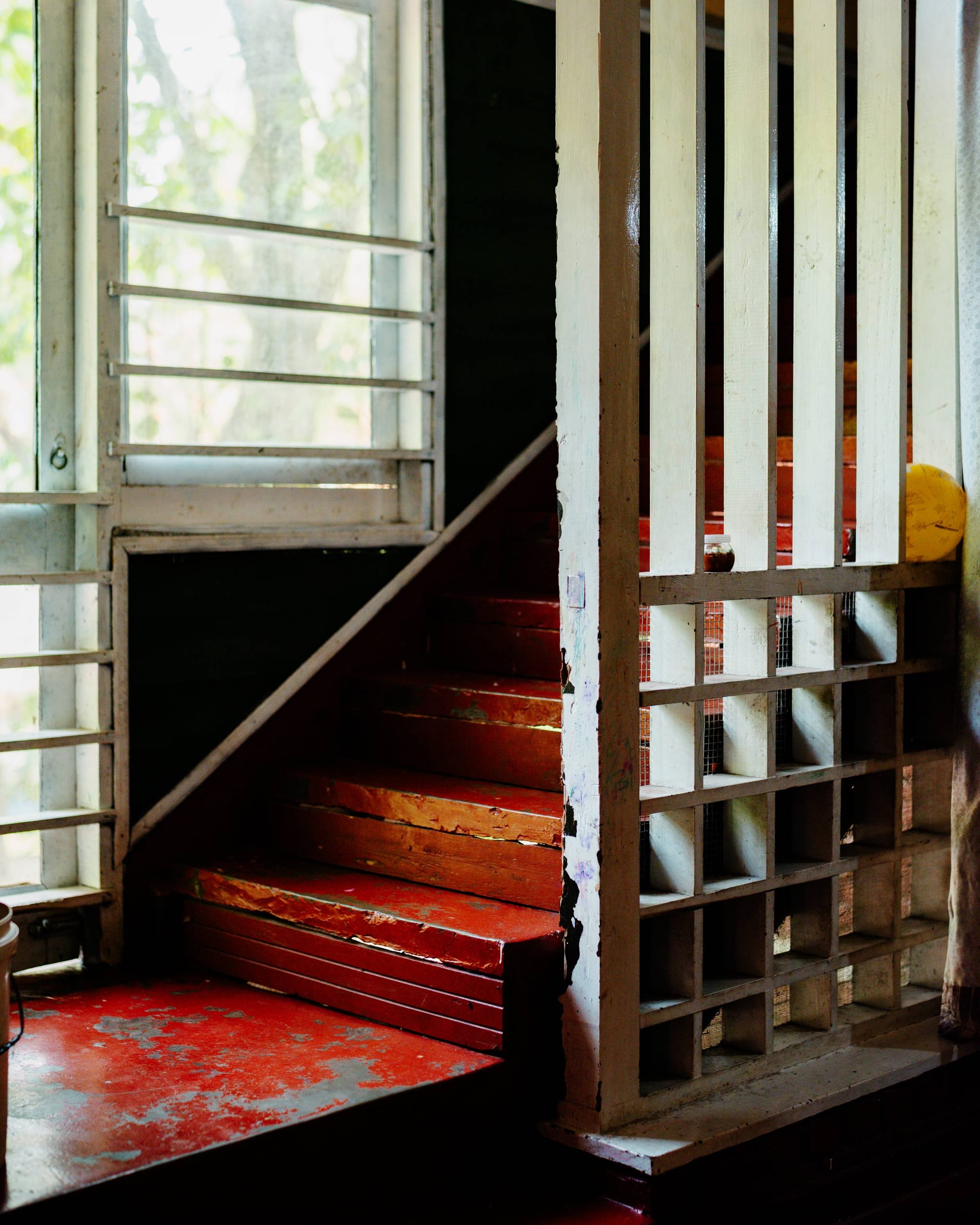
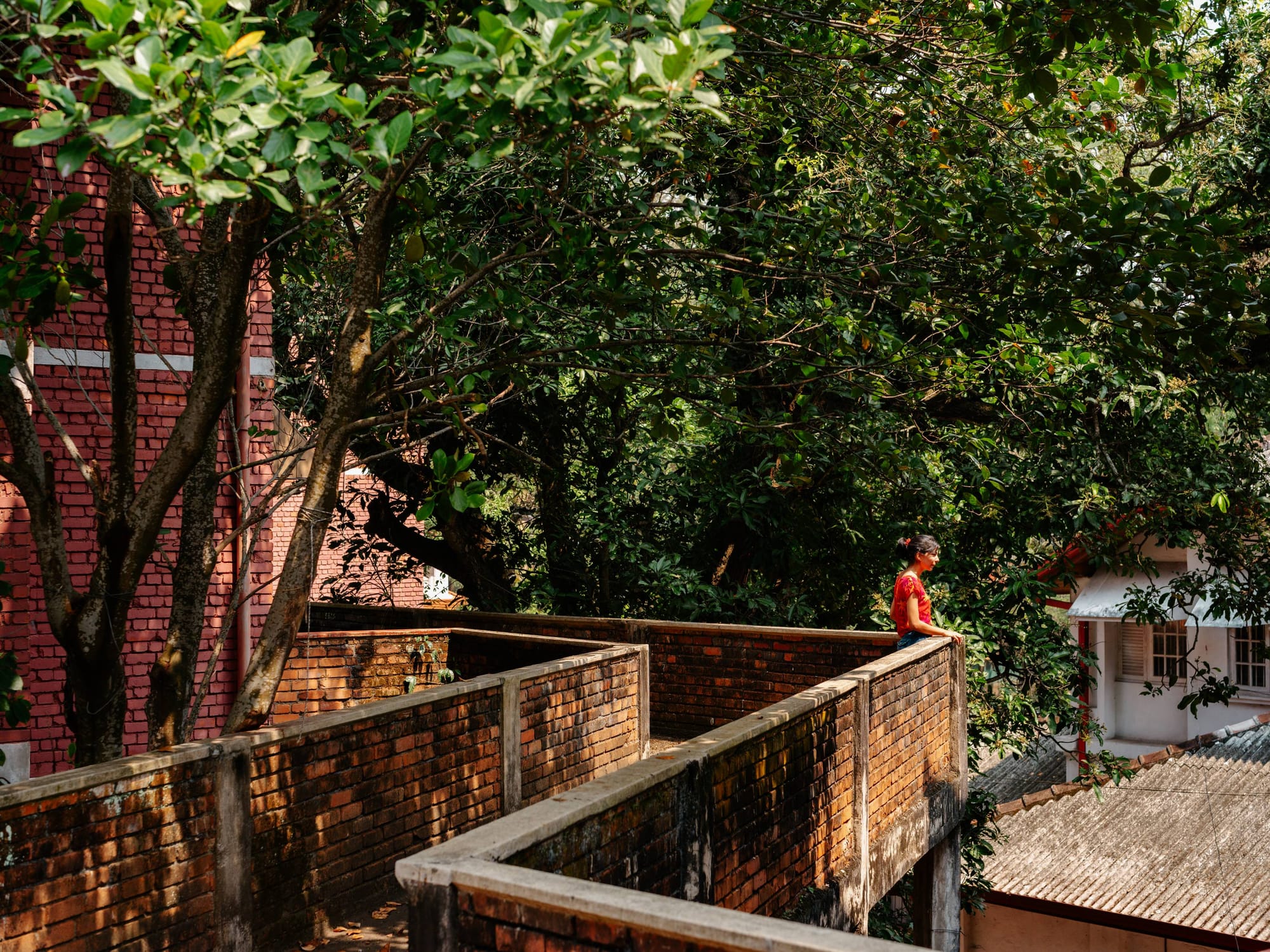
Photos: Tavish Gunasena
This simple structural design also gave way to speedy construction.
Sense of character
Low-rises have a character of permanence today; their placement, design, and use of materials gives them a sense of place. Yet when they were being built, they were conversing with cutting-edge global trends and debates.