
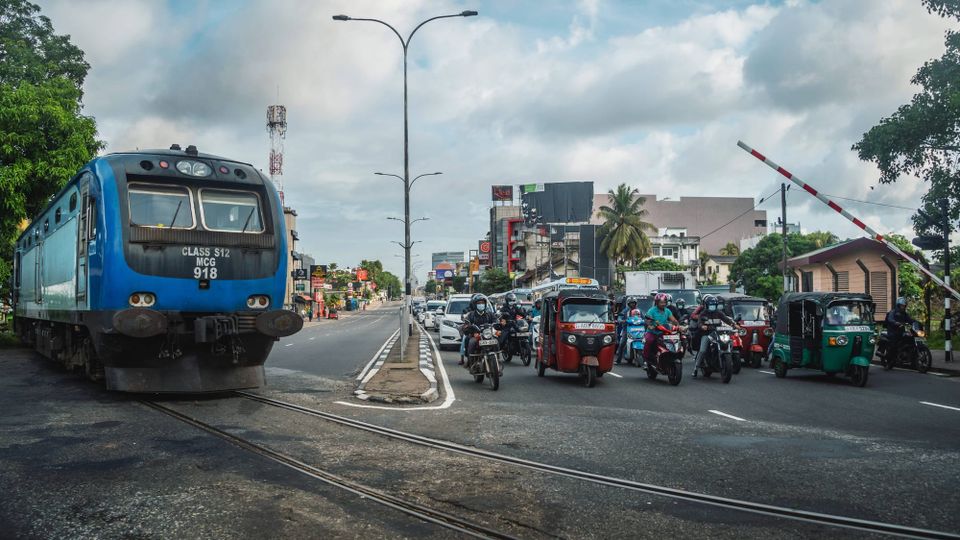
Sri Lanka’s roads are modern, reach the furthest corners of the island, and are used by everyone.
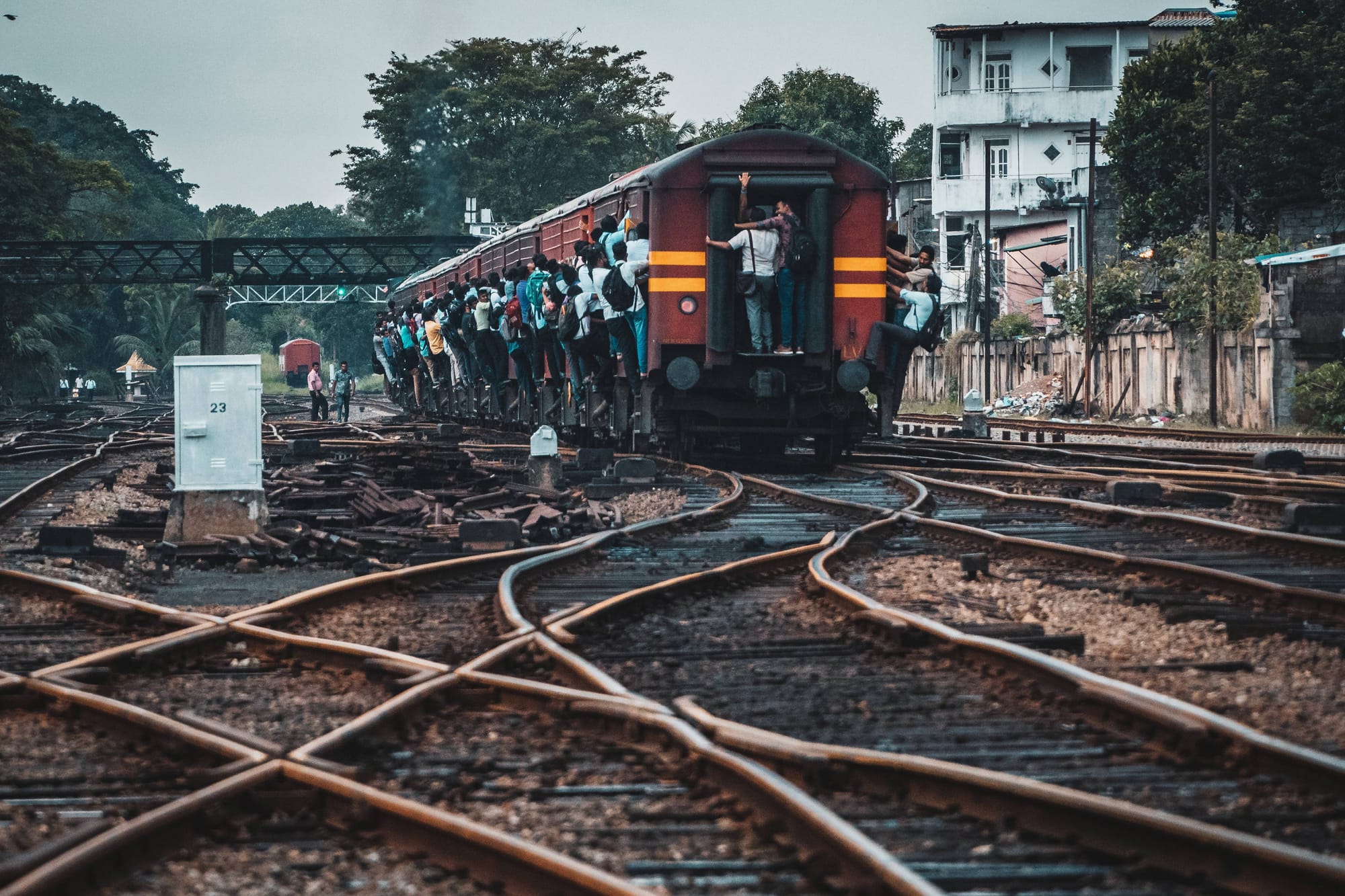
The same cannot be said of railways. Our railways are museum pieces, total track length is falling, and most importantly, rail’s share of passenger volume has been consistently in decline.
It wasn’t always so. In the 1940s the rail carried more passengers than roads. The profitable railways were also some of the island’s most modern technologies.
This reversal of history isn’t merely a consequence of the government spending more on roads than rail. It’s rooted in differing levels of project readiness — the institutional capacity to plan, finance, and execute complex infrastructure. It is also the prerequisite for absorbing foreign-funded loans that drive large-scale development.
While the Road Development Authority, or RDA, has evolved into a multidisciplinary, statutory body capable of managing massive capital outlays, the Sri Lanka Railways, has been paralysed by structural stagnation and massive, persistent losses.
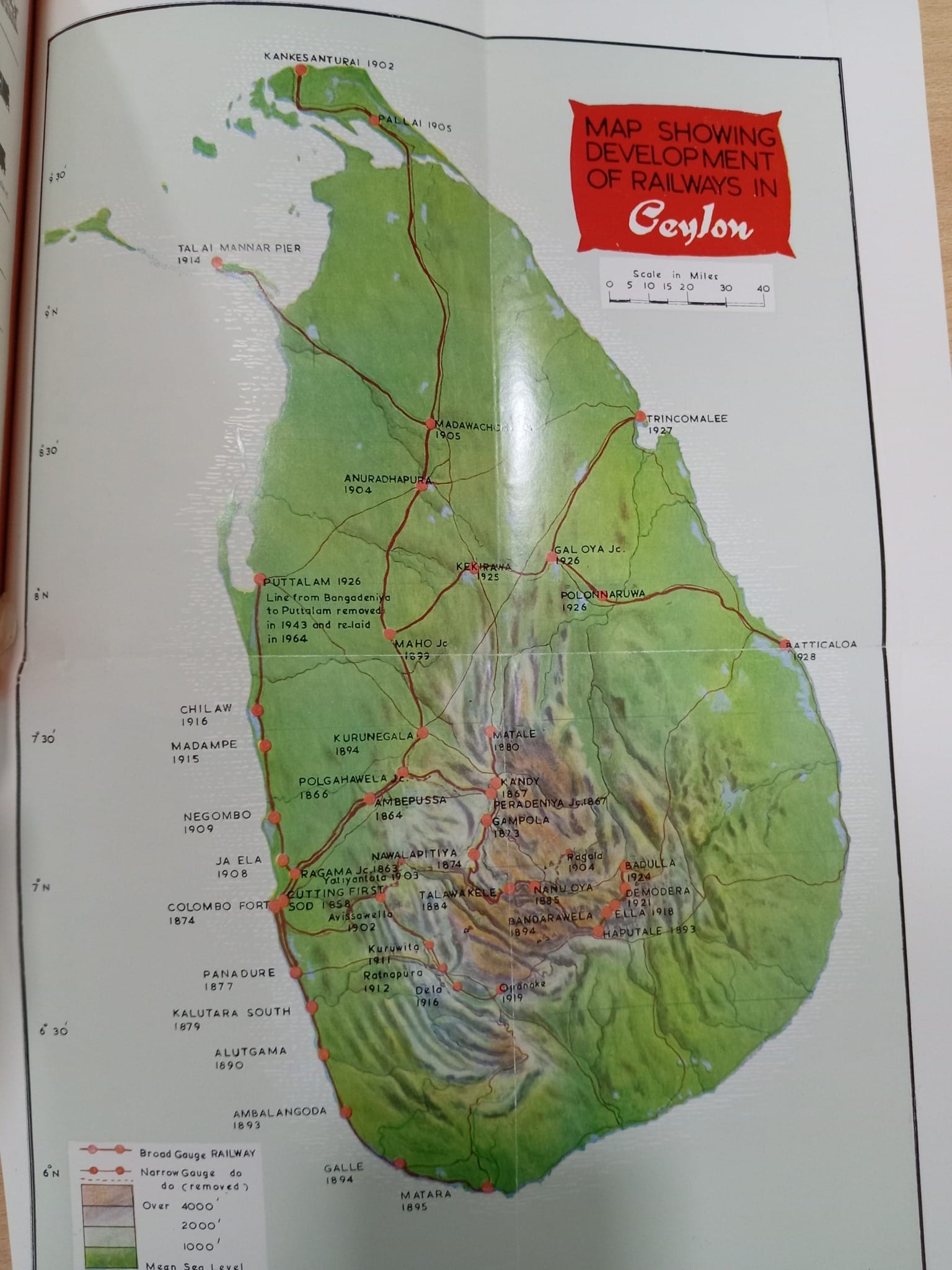
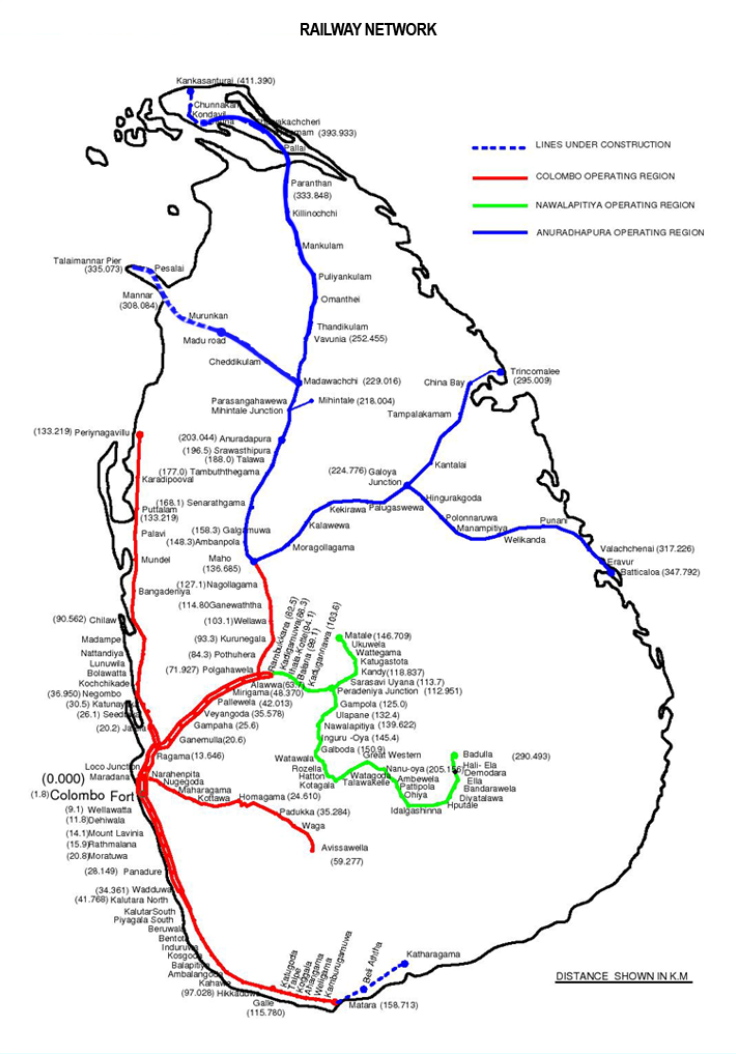
Track length in Sri Lanka has actually reduced over time, with the disappearance of the line to Pelmadulla. Photos: Facebook/ Sri Lanka Railways
In a given year the RDA successfully builds roads with many times the railways’ budget. In 2022, for example, it spent 296 billion rupees while the railways only spent 30. This isn’t just a function of the RDA having a much larger budget overall. It’s also because the RDA has greater execution capacity. It spent 79% of its total budget that year, while the railways spent a fraction.
The road to rail
The difference between the railways’ and the RDA’s performance begins with their legal foundations, which dictate how each agency manages assets and interacts with the national budget.
The RDA’s structure is optimised for operational flexibility. It uses project management units to handle foreign-funded projects, maintaining independent accounting units that provide the transparency required by international donors such as the Japanese International Cooperation Agency, the Asian Development Bank, and the World Bank. The authority also owns and operates subsidiary companies, which allows it to execute specialised commercial tasks outside the constraints of bureaucratic public service regulations.
The railway department, meanwhile, is bound by rigid government circulars and fragmented hierarchy.
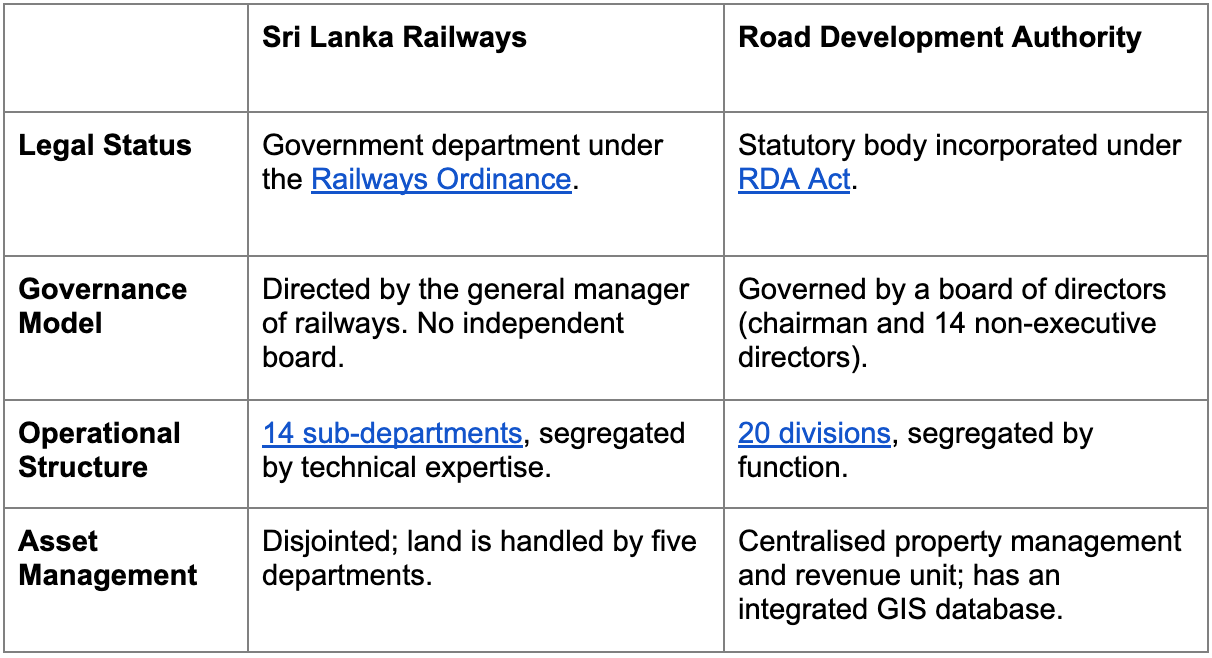
One example of where these differences in legal structure bite is land-management. Even though the railway department is one of the nation’s largest landowners, it doesn’t have a centralised real estate sub-department. Land records are handled across five sub-departments, none of which employ real estate professionals.
This lack of centralised, professional oversight creates a significant barrier to commercialisation and transit-oriented development — the term for high-density townships centered around mass transit infrastructure like light rail. Instead, the railways continue just doing what it’s done for decades.
This is one important reason the railways hasn’t built substantial new infrastructure in decades.
High bureaucracy ≠ high accountability
The railway department also struggles to secure financing for building new lines because it doesn’t keep accounts properly and its finances are a mess.
Both the RDA and railways have significant administrative and accounting deficiencies, audit reports show. Auditors gave them both a qualified opinion, meaning their books and processes aren’t fully compliant.
Despite the railways’ onerous bureaucracy, its reports are much worse. Its finances are in a critical, unsustainable state.
The government isn’t sure how much the railways’ assets are worth. The Treasury’s records indicate railway assets are worth 907 billion rupees, while the railways reported its assets at 495 billion rupees.
Railways expenditure is fiscally unsustainable. Operational losses in 2022 were 111 billion rupees. 60% of the 214 billion operational expense was on staff costs, while maintenance accounted for a mere 7%.
By contrast, the RDA’s 2023 audit, which also received a Qualified Opinion, primarily centered on non-compliance with public sector accounting standards, notwithstanding the authority's greater administrative workload. There were no major asset discrepancies or other indicators that suggested poor financial management.
Manpower
Effective project execution depends on aligning the workforce with technical requirements. While both organisations face staffing challenges, the railway department's bottom-heavy composition is a direct threat to safety and planning.
The railways is burdened by a surplus of unskilled labor, while facing a critical shortage of technical and executive personnel. The largest vacancies are in the specialised professions like engineers, accountants, and planners. These are the people most needed when building new railways, investigating accidents, and upgrading signal systems.
Nearly 6,000 of the railway’s 20,604 posts are vacant. The vast majority are skilled workers.
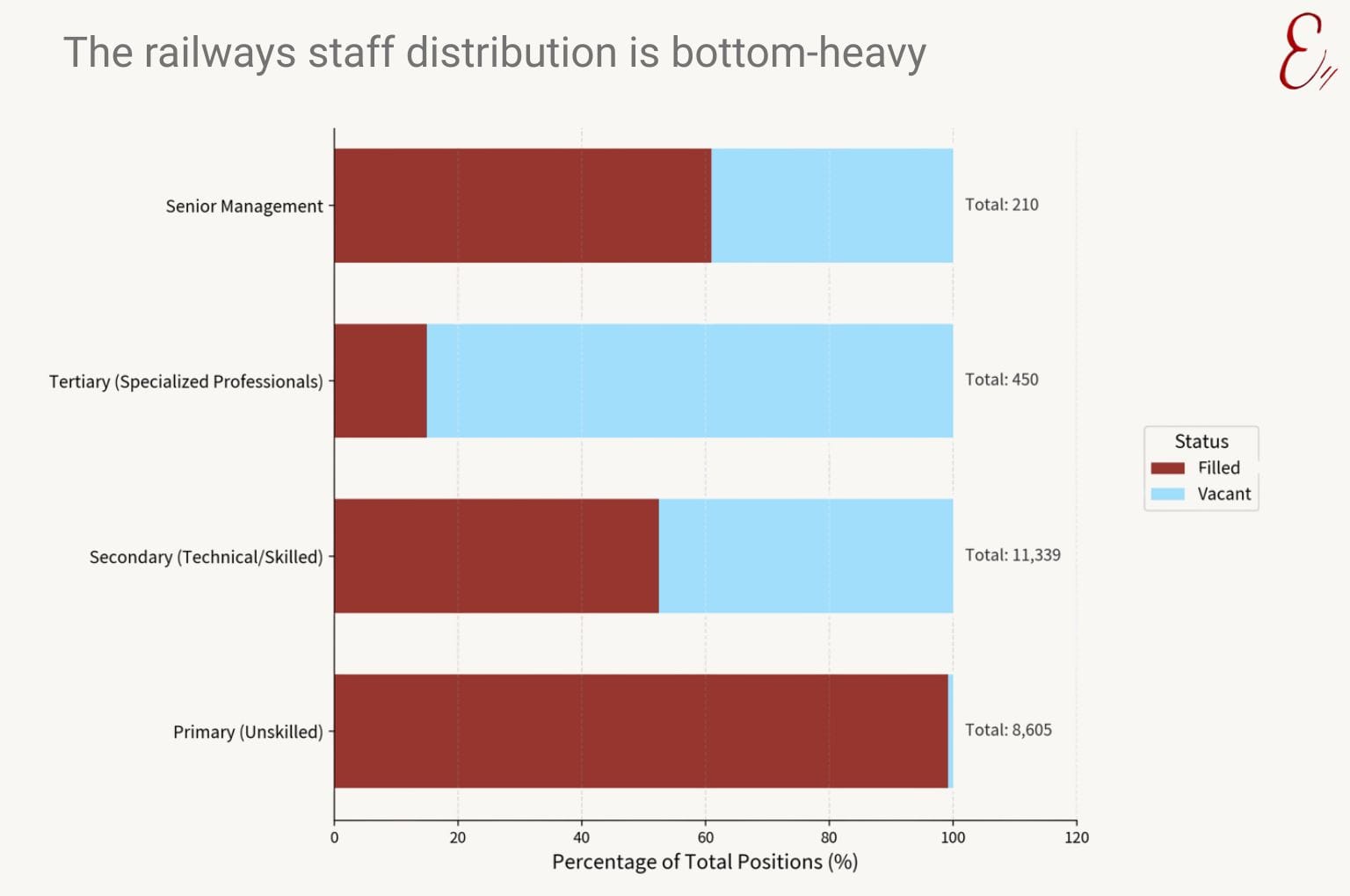
The RDA isn’t plagued by these problems, with 96% of the RDA’s cadre filled.
The RDA's success in maintaining day-to-day operations is heavily dependent on the strategic use of flexible labor. For example, it deploys 1,255 casual staff to the essential role of maintenance labourer. However, this reliance has led to long-term issues, with contract staff demanding absorption into the permanent cadre.
Despite the high overall rate, the RDA suffers from serious permanent role deficits across high-impact categories, though not as severe as the railways’. These include senior management, technical, and accounting roles.
Project management
The RDA’s superior project readiness is built on four key aspects that the railways lacks: project planning, data driven asset management, project management units, and long-term oversight.
The RDA’s Planning Division utilises sophisticated traffic demand forecasting software to gather essential data for preliminary project appraisal. Alongside this, the Environment and Social Development Division proactively secures environmental impact assessments and resettlement action plans before the commencement of any civil works.
The RDA uses the Sri Lanka Road Asset Management System. This centralised, digital system for all RDA road assets is supported by the collection of structural integrity data using mobile sensors and specialised technical models.
Dedicated project management units and specialised procurement divisions manage international bidding processes internally, which facilitates the efficient absorption of foreign loans.
The RDA’s board provides strategic direction by overseeing the National Road Master Plan, a measure designed to protect development efforts from inconsistent political interference.
The Railway Master Plan isn’t used much. The railways management has not fully adopted or implemented the masterplan, showing a clear disconnect between strategic vision and practical application.
As a result, the railway department appears to be operating without a cohesive, overarching strategic direction. The majority of its future endeavors are narrowly defined and siloed as individual projects.
Unlike the RDA, which built its capacity through multiple development bank funded projects, the railways lack the essential technical infrastructure for modern, data-driven decision-making. Specifically, it lacks adequate data on its assets. Without robust digital data management it’s hindered from making decisions on maintenance, investment, expansion, and service optimisation.
What needs to be done
To bridge the gap in project readiness, the railways must undergo a structural transformation modeled after modern statutory entities like the RDA, Ports Authority, and airports authority.
The most important of these is transitioning away from being a government department to a state-owned company, with a professional and multidisciplinary board. This will introduce commercial law discipline, shifting the focus from simple expenditure management to revenue generation. As a corporate entity, the railways could also leverage public-private partnerships to mobilise private capital to fund infrastructure without immediate Treasury strain.
Successive governments knew this needed to be done, but were scared of union backlash. In 2004, a ten day nationwide railway strike led by a coalition of over 30 unions brought long-distance services to a halt. The trigger was the activation of the Sri Lanka Railways Authority Act, first passed in 1993 and revived under the Regaining Sri Lanka programme.
Politicised unions opposed the shift away from departmental status, citing fears over job security, pensions, and eventual privatisation. The government ultimately capitulated. By 2005, parliament had repealed the act and restored the railways to a traditional department.
Two decades on, little has changed: even recent restructuring consultations show unions remain primarily focused on preserving jobs and keeping assets within the state, rather than enabling institutional transformation.



Comments ()