Doubling down on their most controversial decision to date, the government says it plans to pass a constitutional amendment lifting the retirement age of judges within weeks. J.M. Wijebandara, the president’s legal director, told The Examiner he hopes the amendment will pass by September.
The plan is to extend the retirement age of all judges by two years, but it’s the retirement age of appeal and supreme court judges that has raised the loudest outcry.
Criticism has been loud and strong. In the most widely-attended meeting in its history, the Bar Association passed a unanimous resolution opposing the move. The Judicial Service Association, which represents judges, also held a secret ballot. All 65 judges who attended voted against the proposal.
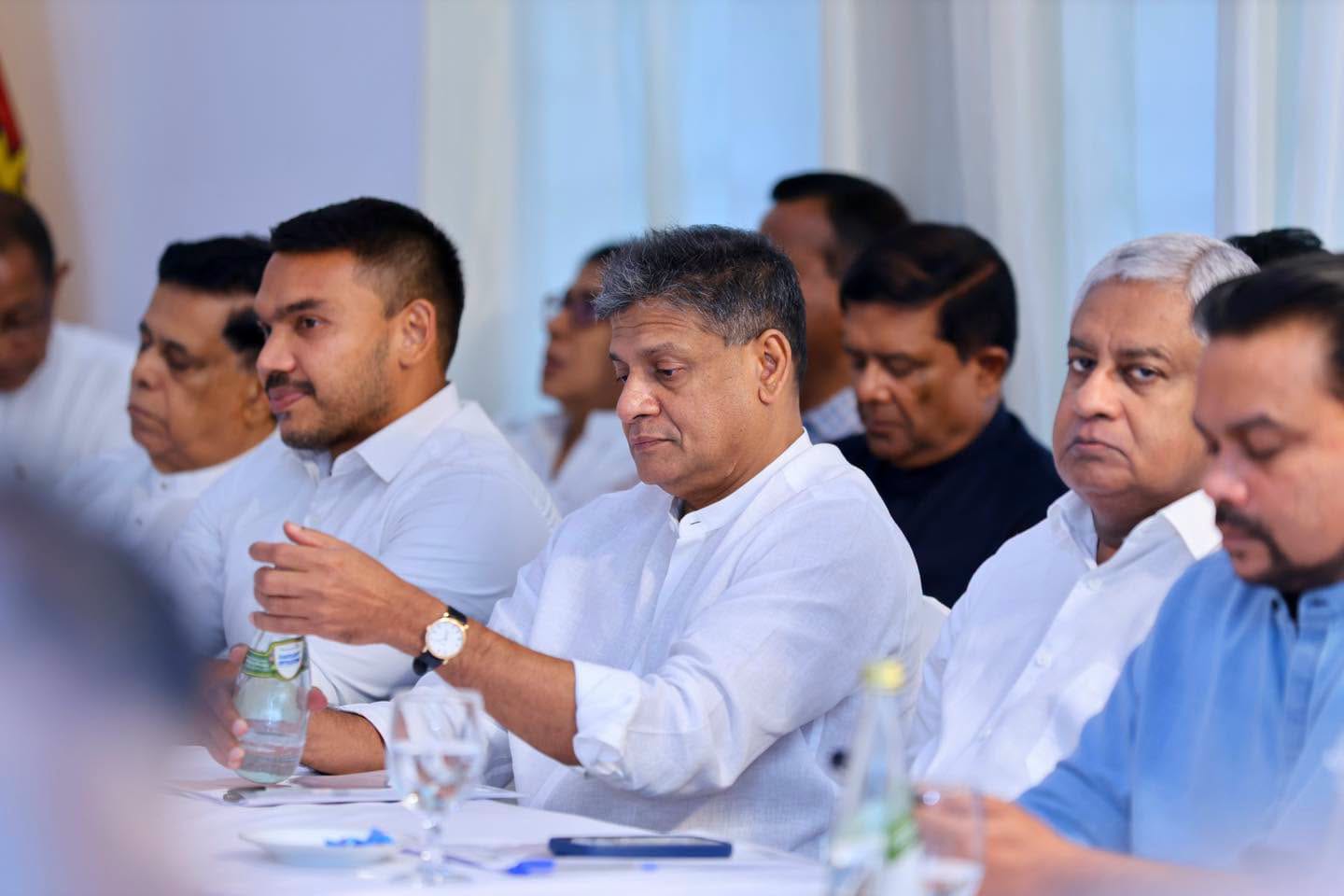
Sajith Premadasa, the opposition leader, called an all-hands-on-deck meeting attended by Rauff Hakeem, Namal Rajapaksa, Jeevan Thondaman, Dilith Jayaweera, and even former President Ranil Wickremesinghe in a rare show of unity. They’ve since decided to launch joint agitation against the proposal.
Opponents worry that extending judges' retirement ages compromises judicial independence, and sets a bad precedent for governments to lengthen or shorten judges’ terms to punish or reward them.
Surasena’s birthday gift?
Additionally, there’s concern that this amendment is really about keeping Padman Surasena, the current chief justice, in office for two more years. If the amendment doesn’t pass, Surasena will have to retire on December 1st.
The speculation is informed by three factors: the speed with which the amendment is being pushed through, critics finding the government’s justification incredulous, and the government’s secretiveness.
First is the timing and speed with which the amendment is being proposed. “If they say they want more experienced judges, why didn’t they do this a few months ago before several other justices retired?” questioned one lawyer. Three Supreme Court judges retired earlier this year.
The government’s speed is like “a hundred metre race”, said Rajeev Amarasuriya, the head of the Bar Association, asking what the rush was all about.
The government promised a new constitution, and it’s suspicious that this is the only constitutional amendment they’ve proposed so far, said M.A. Sumanthiran, a lawyer and opposition politician.
But Wijebandara, the president’s legal director, defended the sudden introduction of the amendment: “We took this decision while observing what was happening in the judiciary in the last two years.”
Second, critics doubt the government’s stated intention — clearing the backlog of court cases — because the government has unconventionally not promoted judges to the appeal and supreme courts despite vacancies. Eight of the 37 seats on these benches remain vacant. Leaving vacancies open has been a way of pressuring judges to rule favouring the government of the day.
But Wijebandara says the non-promotion of judges from the High Courts to Appeal Court is well-intentioned. “We don’t want to disturb the High Court trials-at-bar,” says Wijebandara, referring to the several special High Court benches sitting daily to hear landmark cases such as on the Easter Sunday attacks and Keheliya Rambukwella. In the past, retirements caused delays in trials-at-bar, he added.
He applied this logic to the retirement age proposal too, saying an older retirement age will allow the judges currently hearing these important cases to remain in the High Courts till the cases are closer to completion.
Critics insist that non-promotions have also driven out senior judges entirely, undermining the government’s claim that it values experience. Dhammika Ganepola, an Appeal Court judge, retired after not being promoted to the Supreme Court in May — a promotion could’ve kept him on the bench for two more years. The unusual move has fuelled doubts about the government’s stated aim of reducing backlogs and retaining experience.
A third reason for suspicion is the government’s secretiveness. Newspapers began reporting whisperings of such an amendment in March, but at the time it was only for superior court judges. NPP lawyers met with President Anura Kumara Dissanayake about it in June. As of July 3rd, Ayesha Jinasena, the Justice Ministry secretary, said she hadn’t been made aware of any plans to change the retirement age.
So when the cabinet decided to go ahead with the proposal on Tuesday, few stakeholders had been consulted at all.
The most dramatic objector has been Lal Wijenayake, a lawyer and NPP Executive Council member. He publicly opposed the move, saying that the NPP wasn’t consulted on the matter.