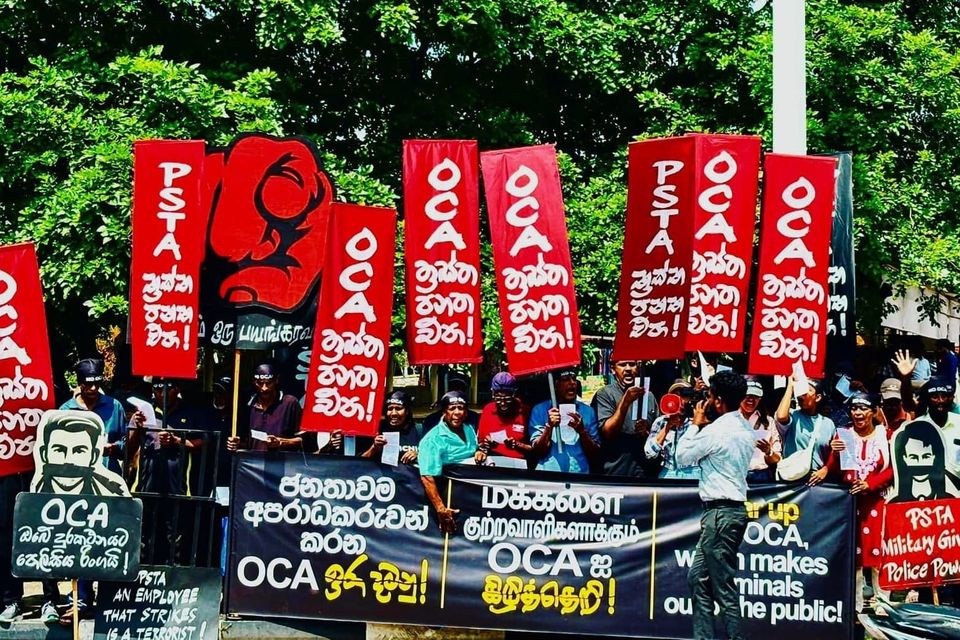
Two controversial bills, the organised crime bill and the new anti-terrorism bill, cleared the Supreme Court and are now with Parliament. The Supreme Court held that, subject to amendments, the bills could be passed with a simple majority.
The passage of these bills has been far from smooth, and now further revisions are underway.
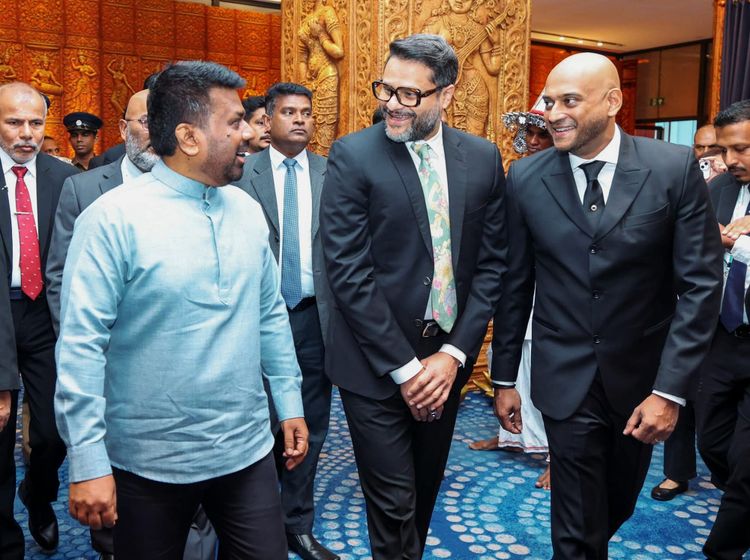
Earlier this month, President Anura Kumara Dissanayake said the government would listen to civil society concerns with respect to the bills. They wouldn’t be passed in their current form, he also emphasised.
“In addition to the Supreme Court's recommendations, if amendments come from civil society groups, we will take those into consideration before passing the legislation,” he told trade unions on November 7th.
Consultations and amendments are now underway. At the Supreme Court earlier this month, the Attorney General’s Department agreed to change sections of the organised crime bill at the last minute.
Although the anti-terror bill also passed the Supreme Court’s scrutiny a fortnight ago ago, Parliament’s sectoral oversight committee on justice held a surprise consultation with civil society on Monday. Another consultation is due on December 1st.
Next steps for anti-terror bill
This incarnation of the anti-terror bill has been in the works for almost two years. Drafted by a committee headed by Rienze Arsecularatne, a lawyer, it went through public consultations late last year and early this year.
The activists and experts The Examiner spoke to said the consultations were inadequate. When it was finally gazetted, Saliya Pieris, a lawyer who was also in the drafting committee, said that the bill deviated substantially from the committee’s draft.
When 66 petitioners challenged the gazetted bill in the Supreme Court, the court said it can be passed by a simple majority with some changes. It’s now with Parliament awaiting enactment into law.
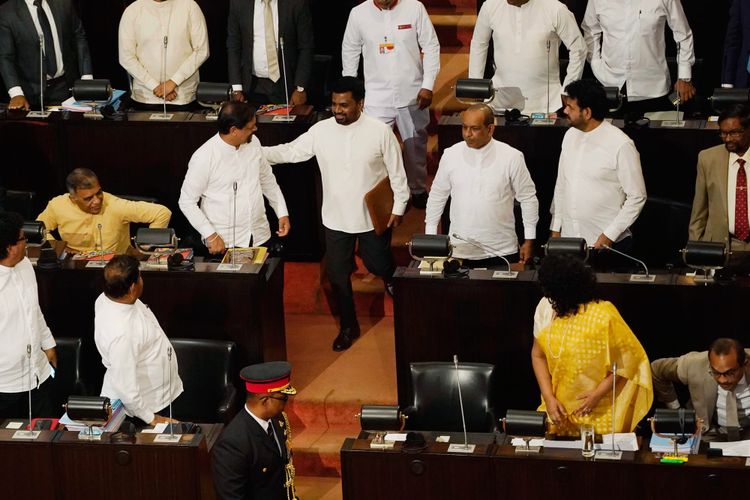
Parliament’s sectoral oversight committee on justice is supposed to examine the bill’s provisions before sending it to a vote. Parliament got heated just before the committee's meeting, as opposition MPs argued that scrutiny of the bill shouldn’t be limited to the sectoral oversight committee. They want further public consultations.
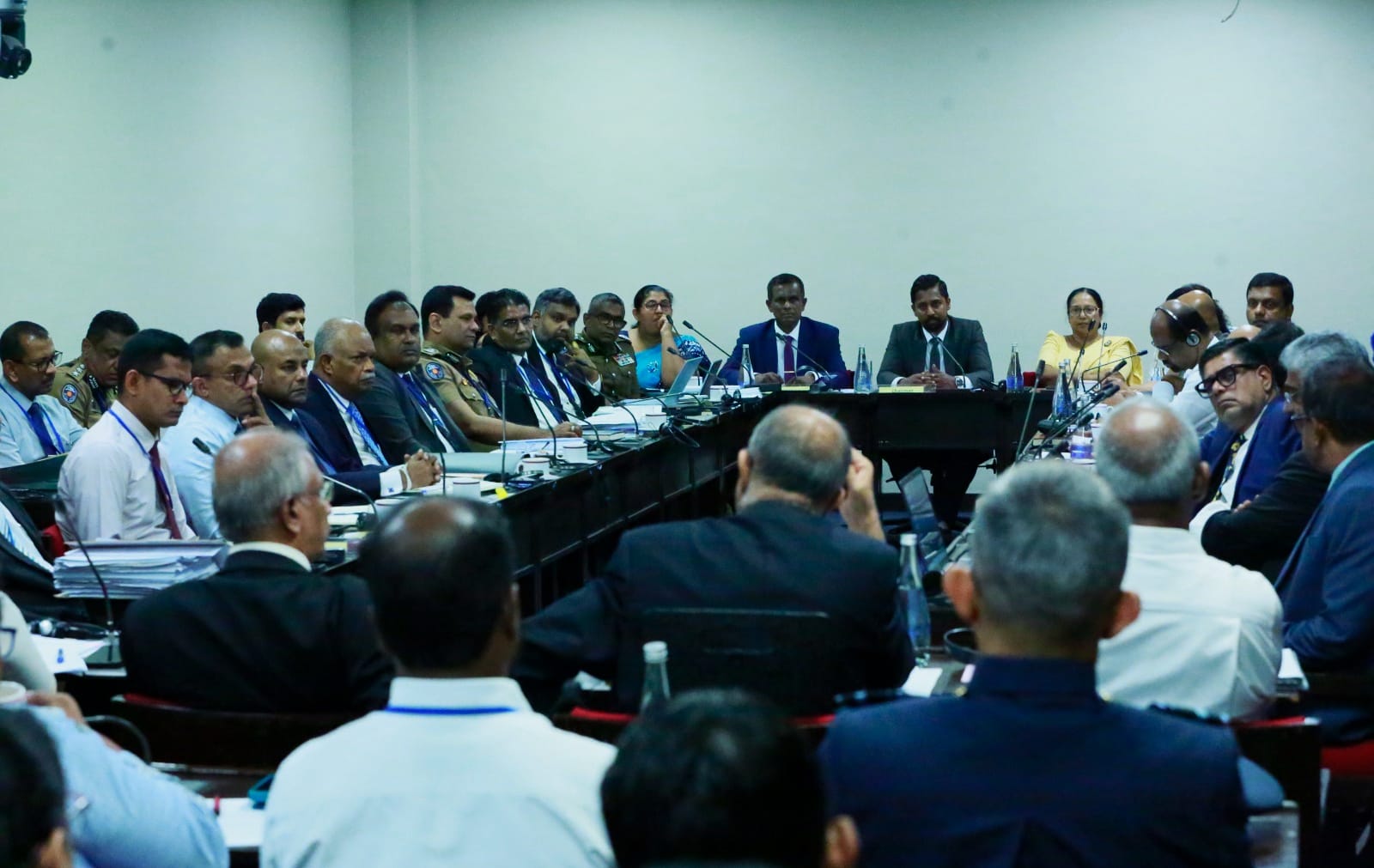
The Examiner learns that the oversight committee, chaired by Najith Indika, a government MP, invited some activists and intellectuals to attend its meeting on Monday. At least one organisation had previously written to the committee asking for an appointment.
Priyantha Weerasooriya, the IGP, Shani Abeysekara, the CID’s director, Nerin Pulle from the Attorney General’s Department, and other officials were there. Government MPs who weren’t committee members also attended.
The committee focused on disagreements about specific provisions in the bill rather than broader discussion of the government’s policy behind bringing in a new anti-terror law.
The ITAK, the main Tamil party, maintains that they won’t suggest amendments to the bill because they oppose special anti-terror laws. They consider the ordinary criminal law sufficient. The SJB, the main opposition party, plans to suggest amendments later in the process, when the bill comes up for debate in Parliament.
After a three-hour meeting, Indika said the committee would continue hearings on December 1st. This meeting will be open to the public — anyone can write to the committee asking for an opportunity to be heard.
Speaking to The Examiner, Indika admitted that it’s unusual to consult with the public at this stage on the passage of a bill — after the Supreme Court judgement on its constitutionality.
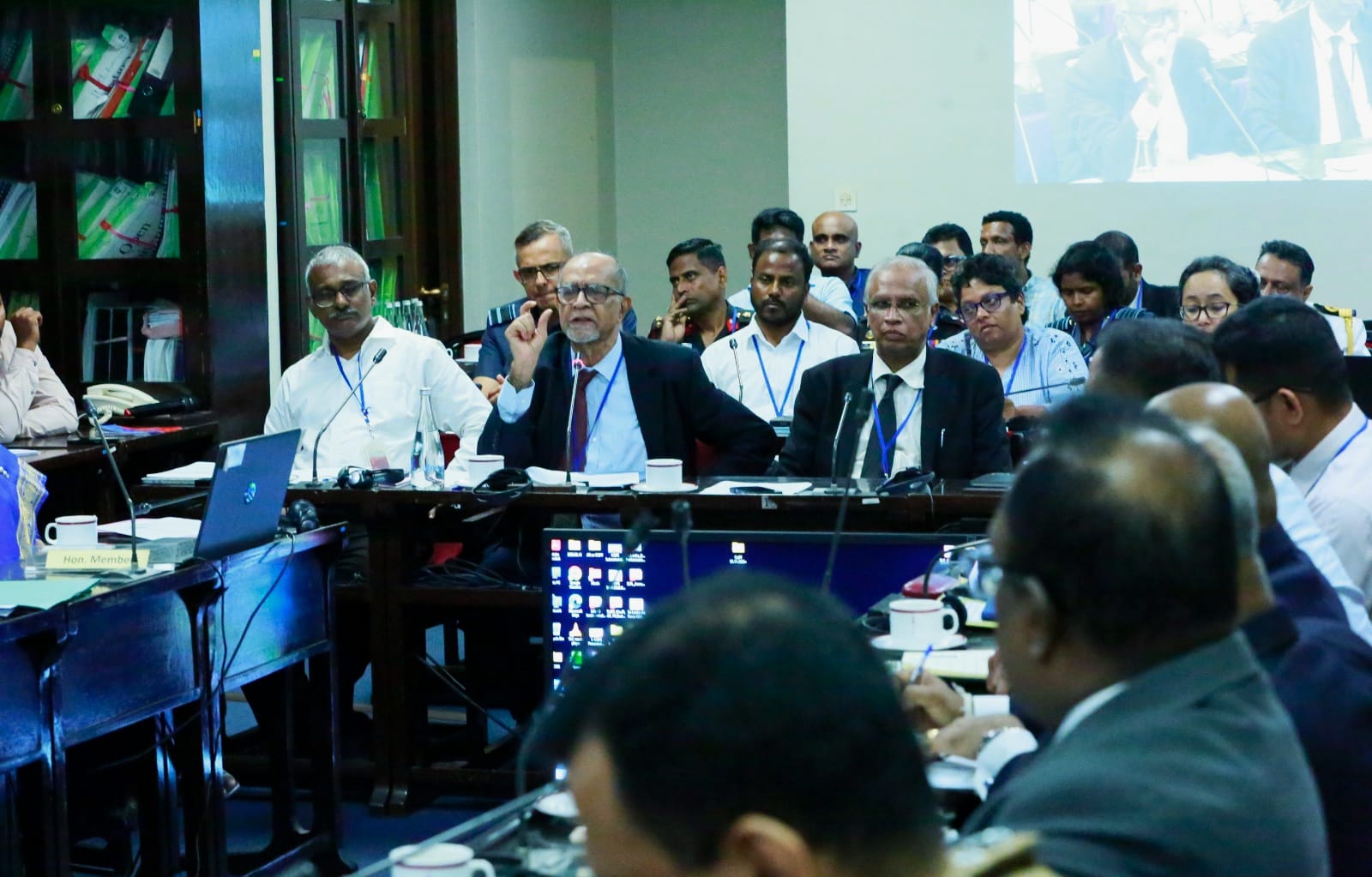
“But the intention is to listen to concerns and clarify misconceptions about the bill as there’s a big discussion about the bill in society; more than about other laws in recent history. There’s no specific timeline for Parliament to vote on the bill, but our intention is to repeal the PTA soon. For that, we need a new anti-terror law, that adheres to international standards, in the country.”
Next steps for organised crime bill
Just like the anti-terror bill, the organised crime bill also followed an unusual path. While consultations were held for the anti-terror bill while it was being drafted, that wasn’t the case for the organised crime bill.
The drafters also remained a mystery until yesterday when Sunil Watagala, the public security deputy minister, finally made some of the names known.
The bill’s drafting committee was chaired by Lalith Jayasuriya, a retired judge. Other members included Sudarshana de Silva, an Attorney General’s Department lawyer, and Malika Suriyapperuma, additional secretary at the public security ministry. Watagala, speaking to The Examiner, confirmed that former top-cop Ajith Rohana and CID director Abeysekara helped too.