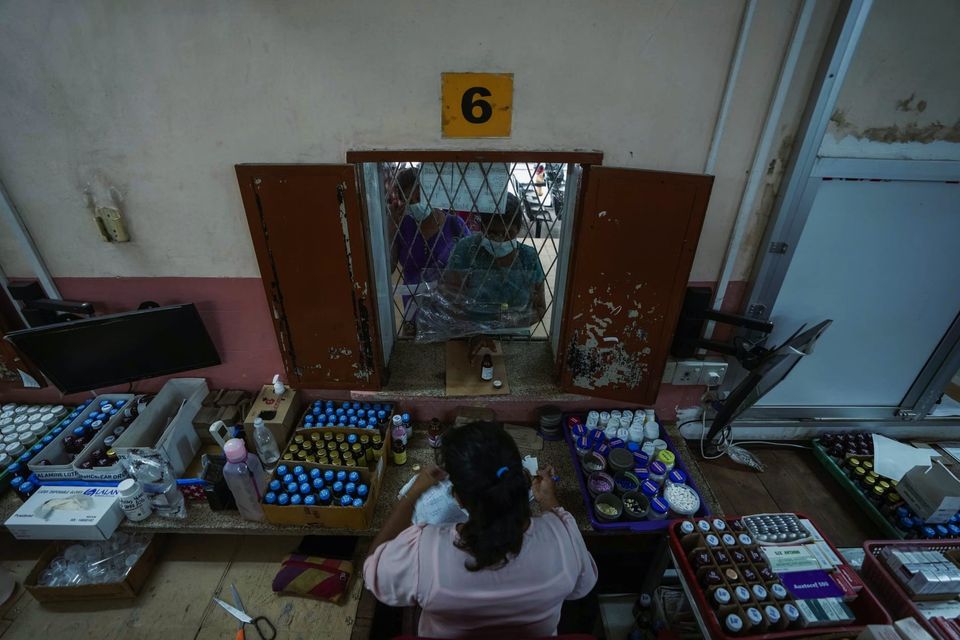
Anti-tuberculosis drug stocks are in short supply — Health Ministry stocks will last less than four weeks if there’s no new shipment. Patients are already facing shortages and, with procurement delays, stocks could run out, the ministry confirmed. Some HIV drugs too are in short supply.
The ministry plans to sign an agreement with the UN’s development agency, UNDP, to purchase the drugs. But they need cabinet approval first, which they still haven’t requested.
After the pandemic and economic crisis, the World Health Organisation and the Global Fund, a global health donor, restarted donations of anti-tuberculosis drugs to Sri Lanka. In 2024 however, the Global Fund wrote to authorities saying they would only supply half of Sri Lanka’s requirements for 2025, 2026, and 2027. They donated a year and half of stock, which arrived In 2025. Since then the ministry hasn’t procured any drugs, so there are only enough anti-tuberculosis drugs to last till the middle of this year.
Despite knowing of Global Fund’s phasing out for over a year and a half, the Health Ministry’s Medical Supplies Division, or MSD, didn’t get approval for the UNDP procurement, or any other procurement, in time. The division is responsible for supplying essential medicines to government institutions.
When asked why they didn’t start the procurement process earlier, L. Ranaweera, the MSD’s deputy director, said: “We tried to see if we could continue the Global Fund stocks for another year. We decide to place orders depending on the stocks we have. Drugs can’t be bought early and stocked early — they can expire. We have some stocks left. We need to buy according to the requirement only.”
Once the agreement with UNDP is signed, it’ll take about six months for the medicines to reach Sri Lanka.
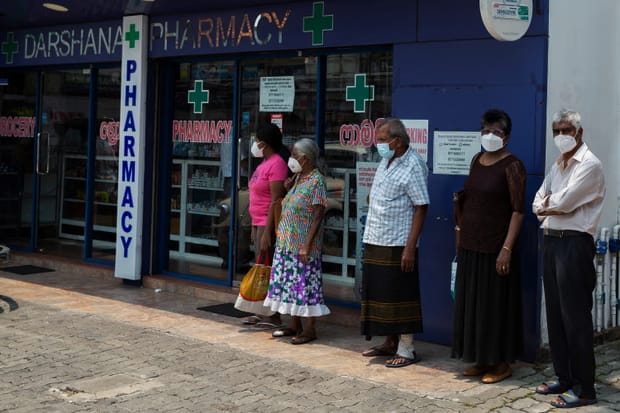
To fill this six-month gap, authorities are looking for quicker alternatives. One option is to get shipments from India, says Ranaweera. “So we hope a shortage won’t arise.”
HIV meds also run low
Meanwhile, NGOs working on treating and preventing HIV are flagging shortages of HIV medicines too. These medicines are also donated by the Global Fund. The recommended first-line drug for HIV treatment is the TLD drug.
But the generic TLD has harmful side-effects for those suffering from kidney or bone diseases — these patients with comorbidities don’t have the appropriate combination of drugs available to them. These drugs have been in short supply for the past six months. “Now we can’t find the medicines at all,” said one NGO working in Colombo.
There’s “some” shortage of HIV drugs given to kidney patients, admitted Janitha Tennakoon, the director of the national STD programme. “Sometimes small delays and issues arise. It will be resolved soon because the shipment is due soon.”
Those who take the PrEP drug, used to prevent HIV infections, said they’ve noticed limited stocks too. Both treatment and prevention drugs are only issued by the government's sexually-transmitted disease clinics.
“We used to get enough medicines for 30 days. Now we only get a limited number of capsules after they determine how at risk we are,” says a clinic regular.
Another says they faced a severe shortage of PrEP between 2024 and 2025 too. “In September 2025 we started getting the drug again, and they would issue an entire bottle sufficient for 30 days. Since about three months ago though, we’ve only been getting capsules for about 10 or 12 days.”
However, Tennakoon denied there’s a shortage of PrEP at the moment.
The Global Fund first started donating tuberculosis and HIV drugs in 2002. Promoting sustainability, the fund established a transition plan for the country in 2018 to encourage Sri Lanka to procure medicines using government funds.
Yet, the crises that followed — both due to the pandemic and the economic crisis — pushed the Global Fund to temporarily restart donations. That’s now being phased out. Recognising the need for a sustainable mechanism for tuberculosis and HIV drugs procurement, the Health Ministry decided last month to sign an agreement with the UNDP.


Comments ()