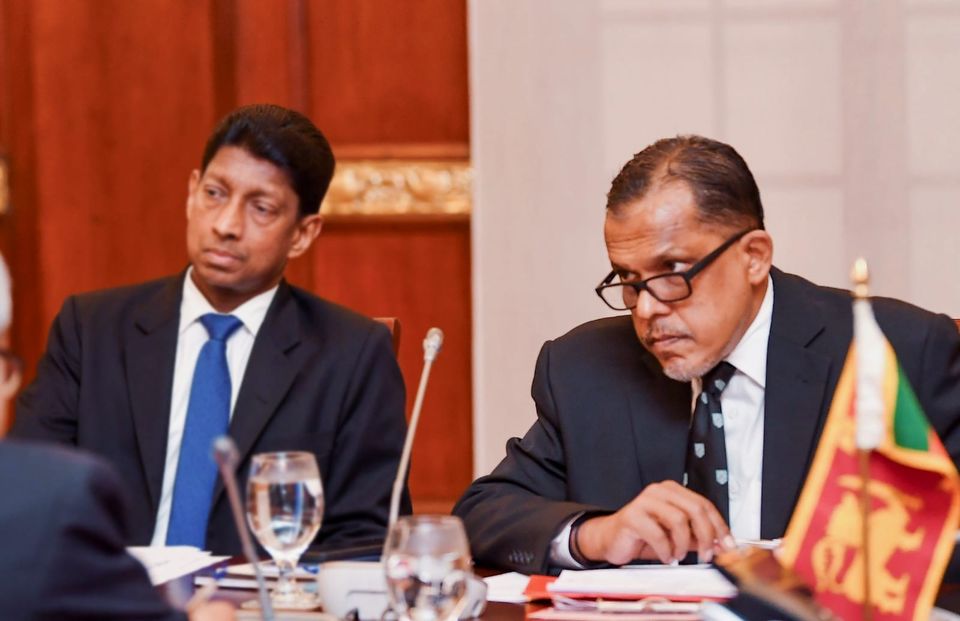
Attorney General Parinda Ranasinghe Jr. is being prosecuted in the court of public opinion. Last week, protestors and social media posts criticised his conduct in high-profile cases involving politicians or security forces. They accuse him of being lackadaisical at best; and at worst, shielding politicians.
Speaking to The Examiner, Ranasinghe defended his department’s choices in cases like the Mahara Prison killings and Lasantha Wickrematunge’s murder.
“What these YouTubers are asking me, is to do things outside the law,” he said.
Among those opposing the attorney-general are activists, lawyers, and YouTubers. Tharindu Uduwaragedara, a journalist and activist, said that while Ranasinghe himself may “not be a bad guy”, the attorney-general’s department was failing the public.
In the Kosgoda shooting case, for example, Ranasinghe says police reports show that the victim drew a concealed gun while on his knees, and so, the Special Task Force, STF, acted in self-defense. He said there was no evidence of murder to pursue the case.
Uduwaragedara says this contradicts the magistrate who earlier declared that the STF suspects should be arrested, as the kneeling victim was shot in the head at point-blank range.
Uduwaragedara isn’t surprised by the department’s lack of vigour in cases like this: “The department was designed to protect the state, so this is how they operate in cases against state officers.”
Ultimately, the case was dropped. Ranasinghe says that, if new evidence is presented, the case can be reopened as “a discharge is not an acquittal.”
Following rising social media criticism against Ranasinghe, the bar association immediately issued a statement in his defense, concerned that public interference would affect the department’s independence. When activists protested in front of the department on 21 January, a group of lawyers publicly pledged their support to Ranasinghe.
Prosecutions
The attorney-general’s decision to pursue or drop a case is called prosecutorial discretion — a decision based on the “reasonable prospect of a conviction.” This basis for pursuing or dropping a case lies somewhere between the police’s low bar to start investigating a crime, and a judge’s high bar to convict someone of a crime, a state counsel from the department explained.
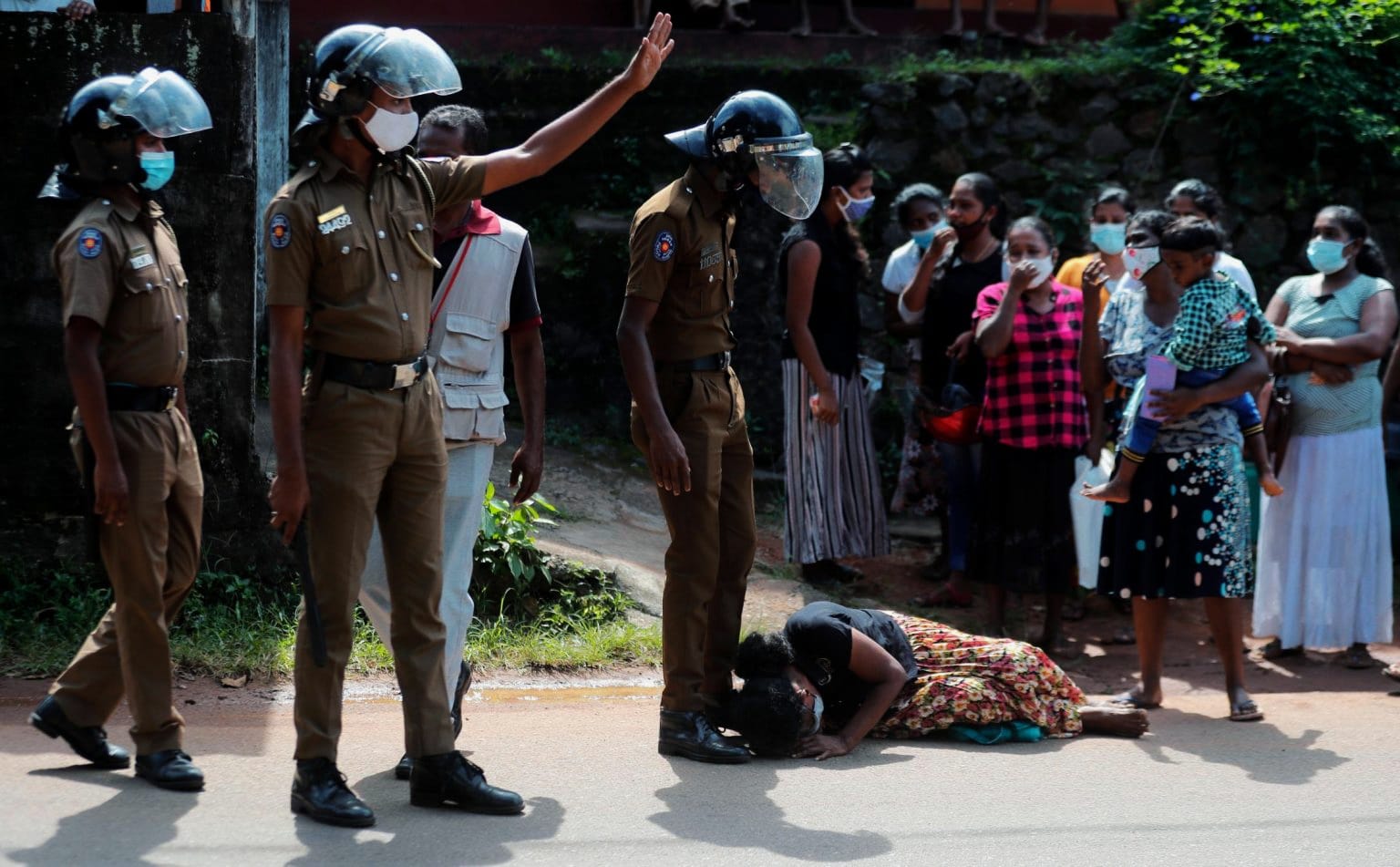
As with the Kosgoda case, the department also dropped the Mahara Prison case in 2024, citing insufficient evidence. After investigating for three years, the police weren’t able to match the bullets fired at prisoners to the guns carried by prison guards. When dropping the case, the attorney-general concluded that the prison guards acted in “private defense.”
The appeal court upheld the attorney-general’s decision last week.
When the police investigate a crime, they work with the attorney-general who has the power to direct investigations. According to a lawyer at the department, investigations are directed in three ways: the department advises the police when asked, offers feedback on gaps once they complete investigations, or gets involved in investigations, especially those of public importance, before they’re completed.
But this didn’t happen in the Mahara case, where eleven inmates were killed. The appeal court judgement shows that the department didn’t get involved in the three-year investigation conducted under the former attorney-general.
Finally, after the police report was submitted, the department didn’t ask for further evidence to strengthen the case. Instead, they closed the file.