When Tilvin Silva walked out of prison in 1994, he went home to Beruwala, picked up a sarong, and hit the road.
After seven years in jail, he didn’t even allow himself an evening with his family, or a good night’s rest. Politics came first. The JVP, the movement he believed would liberate Sri Lanka from the oppression and injustice of the old order, was barely breathing.
Following the second JVP insurrection, the party’s leadership was dead, with one exception. Somawansa Amarasinghe, the last living politburo member in exile, steered what remained of the party from Paris and then London.
Amarasinghe handpicked Silva to take over as the party’s General Secretary, anointed with the crucial task of organising the party’s third-coming. Three decades later, Silva is still in that seat. But the JVP is no longer on its death-bed. It now leads a government with the most decisive mandate in Sri Lanka’s history.
Over these three long decades, many in the electoral wilderness, Silva was the nucleus of the party – even though he remained an enigma to those outside. Tasked with running the party machinery, he oversaw recruitment of new members, their political education, and their position in the party. Silva is also the most senior member of the politburo, the party’s Loku Aiya or Big Brother.
UNP monarch vs young renunciant
Born on 26 February 1956, Methsiri Tilvin Silva grew up in Mullapitiya. But in interviews, when he names his village, he invariably adds its electorate right after— “Beruwala seat”. Like other men of his time, and his milieu, he sees the world through the prism of electorates, elections, and politics.
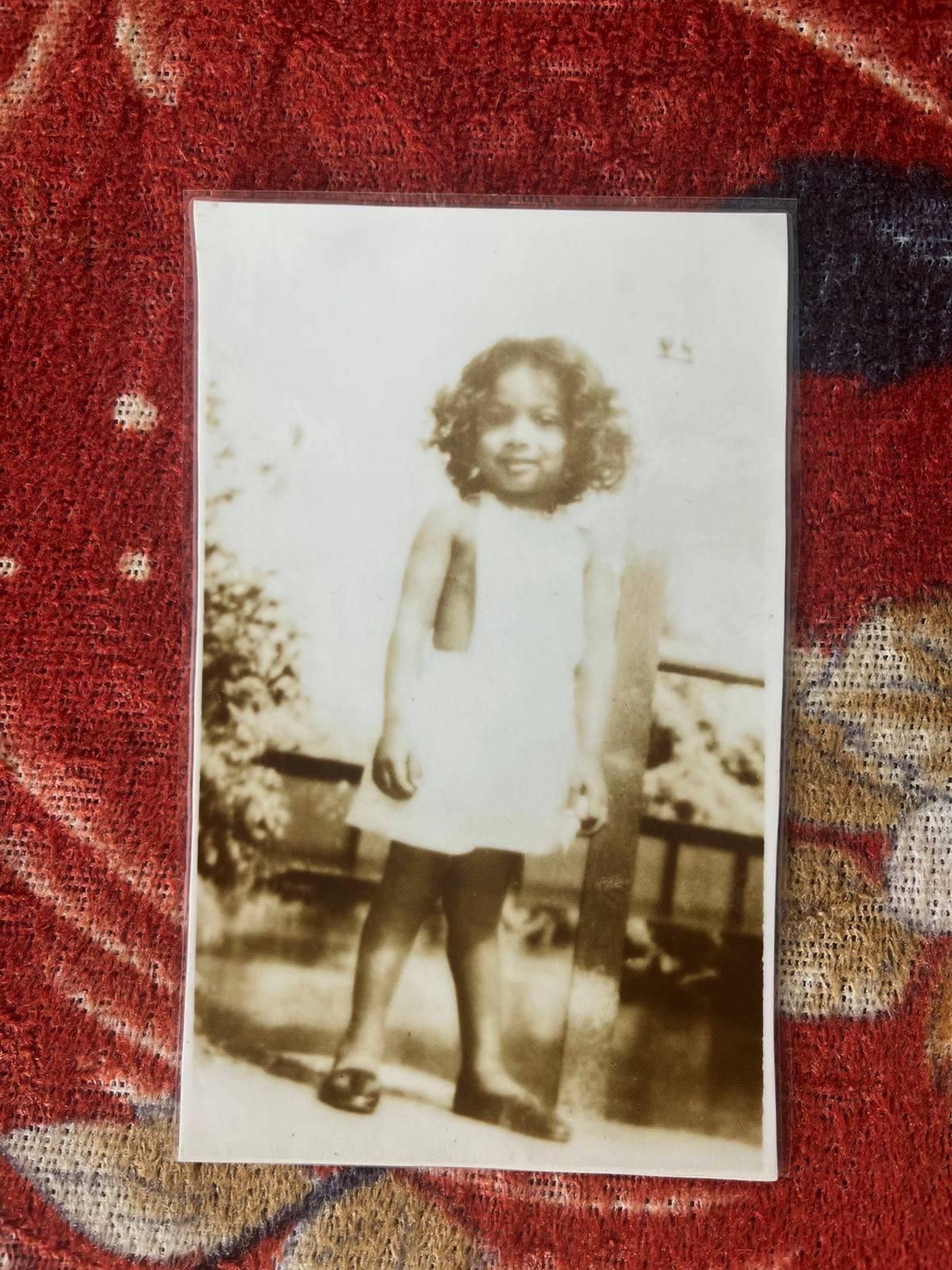
But the politics he was born into wasn’t revolutionary. Villagers called his father ‘rajjuruwo’ — ‘king’ — as he had people around him ready to follow his lead. He was a pious man, loyal to the UNP, and was what Imitiaz Bakeer Marker, a former UNP stalwart, called a ‘honda mahaththayek’ or ‘good gentleman’. As the UNP village organiser, his house often hosted party meetings.
Yet Vimaliyes basunnehe wasn’t a traditional UNPer. Prior to joining the grand old party, he voted for the old left and the United Front government. The ‘70s food shortages shifted his beliefs.
Despite his charisma, the family’s means were modest. Their small house, by the Southern railway tracks, shared the compound with their carpentry workshop. Vimaliyes basunnehe slept on the household’s one bed, while the rest of the family shared the floor. Silva’s mother, Disilin Perera Wickramaratne, was a housewife. Like many housewives, she earned an income weaving rope, in addition to running the home.
Silva started school at Kaluwamodara Junior School, at the foot of Kande Viharaya, a famous mountain temple. For secondary school, he tested into Aluthgama Maha Vidyalaya, the leading town school. But Silva’s family didn’t have the money to buy a white short sleeved shirt, blue shorts, white socks, and black shoes –the uniform required for attendance.
He ended up at Mangala Pirivena, a monastic college, where uniforms were not compulsory. The family’s financial struggles eventually forced Silva, the eldest child, to leave school and find a job before sitting for his A Level exams.
Under J.R. Jayewardene’s new UNP government, Silva’s father wrangled a Grama Sewaka post, and along with it, a lifeline for the family. But by then Silva was already dreaming of a socialist cure to society’s sickness. Much to his father’s disappointment, he rejected the offer, and went on to become a full-time JVPer in 1979 – two years after Jayewardene came into power.
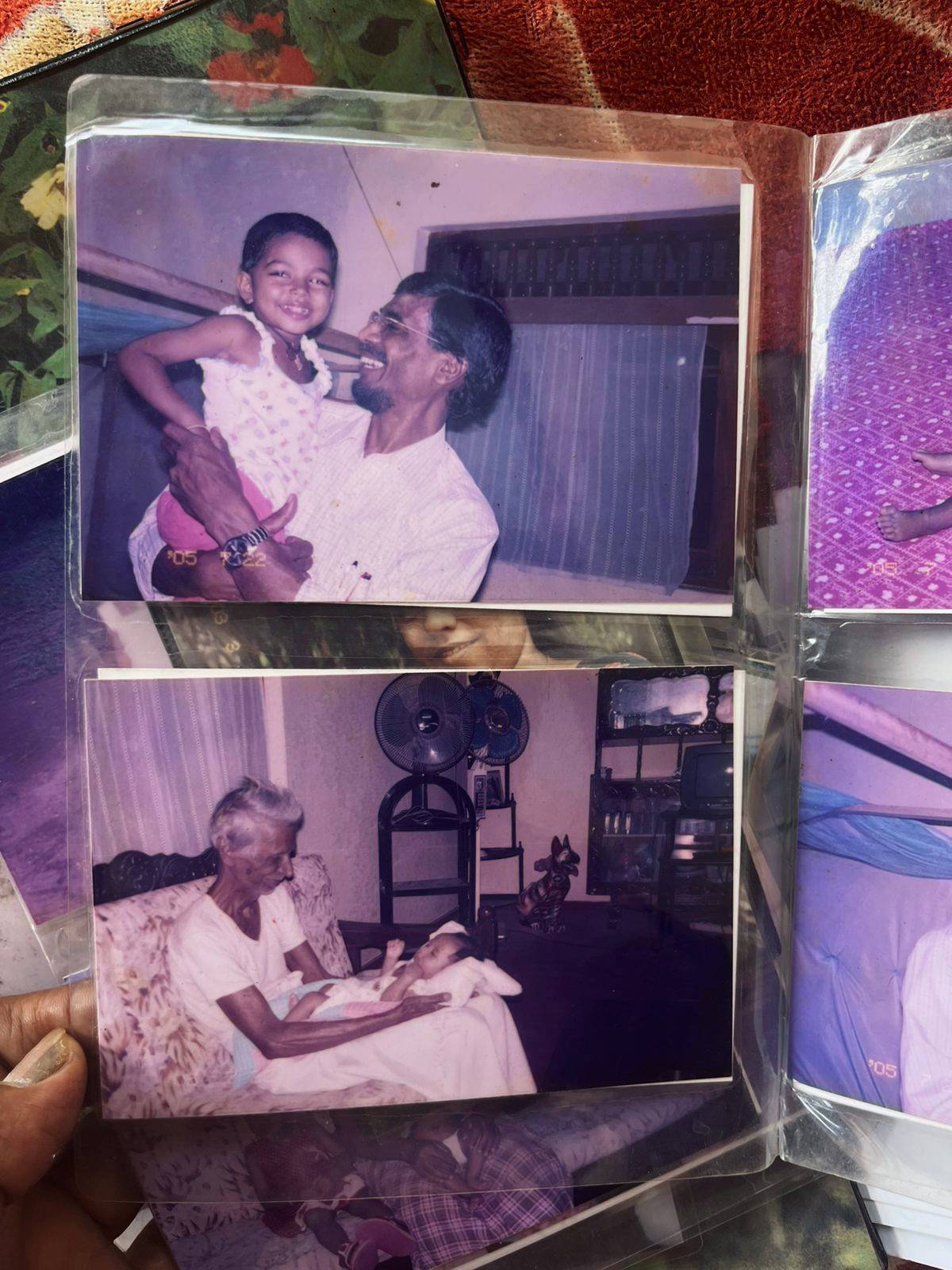
After joining the JVP, Silva would visit his family, but never spend the night. His party was agitating against his father’s government.
Staying loyal to the patriarch, Silva’s four siblings supported the UNP. But it was the Eastern Bloc’s cultural influence that drew Silva towards Soviet Russia and socialism.
He belonged to a time where many oppressed youth believed that a ‘socialist revolution’ was not a dream, but a reality they could forge through their commitment. Unlike Rohana Wijeweera, the slain JVP leader — who grew up middle-class and learnt Marxism from the old-left — Silva was a product of print and poverty. Soviet literature, with pages full of good citizens, moral struggle, and the romance of heroic revolution, promised frustrated, disadvantaged youth like him that a different world was possible.
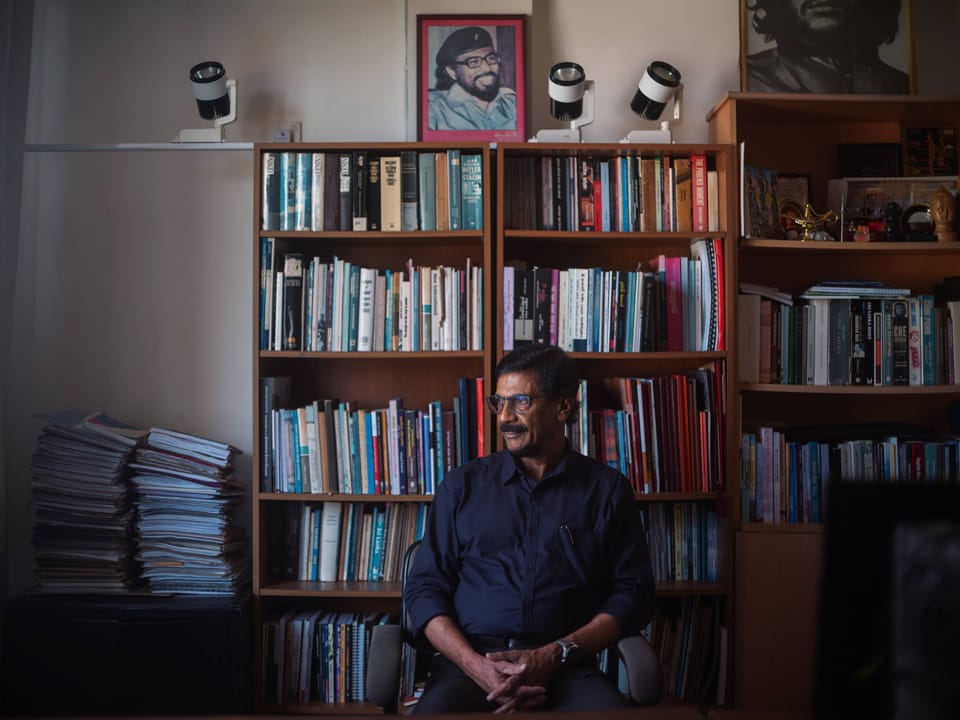
“I read Gorky’s Amma when I was in school but I did not really understand it,” he tells me at his office, on the first floor at the JVP headquarters down Vimukthi Road, Pelawatte.
He also read popular Sinhala books set in the Soviet Union, like Pas Awurudda and Biriyosa. Written by one of the first graduates from Moscow’s Peoples’ Friendship University, these books shared the Soviet world with local readers. Silva’s favourite Soviet character is the protagonist in How the Steel was Tempered, Pavel Korchagin, who the JVP still uses to exemplify the ‘true’ revolutionary.
“I really liked Pavel and wished to be like him for his humanity and morality over his political militancy.”
His small office is crowded with those who have shaped his life. They are all men of action. Lenin is busy reading Pravda. Wijeweera and Che Guevara are staring at the ceiling. From his own illustrated portrait, Silva mirrors them. Marx is missing.
A lively Silva reflects on how he leaned left when his father remained on the right.
“We used to get the Soviet Deshaya magazine with all its beautiful pictures. This made us fall in love with the land of the Soviets. Soviet literature is what I have read the most,” he says.
One of Silva’s brothers refuses to speak of him. But the youngest, Priyantha Silva, recalls his eldest brother, on his occasional visits back home, taking him to film screenings. Today, Priyantha feels that Silva’s departure was similar to Prince Siddhartha leaving the secular world in search of enlightenment .
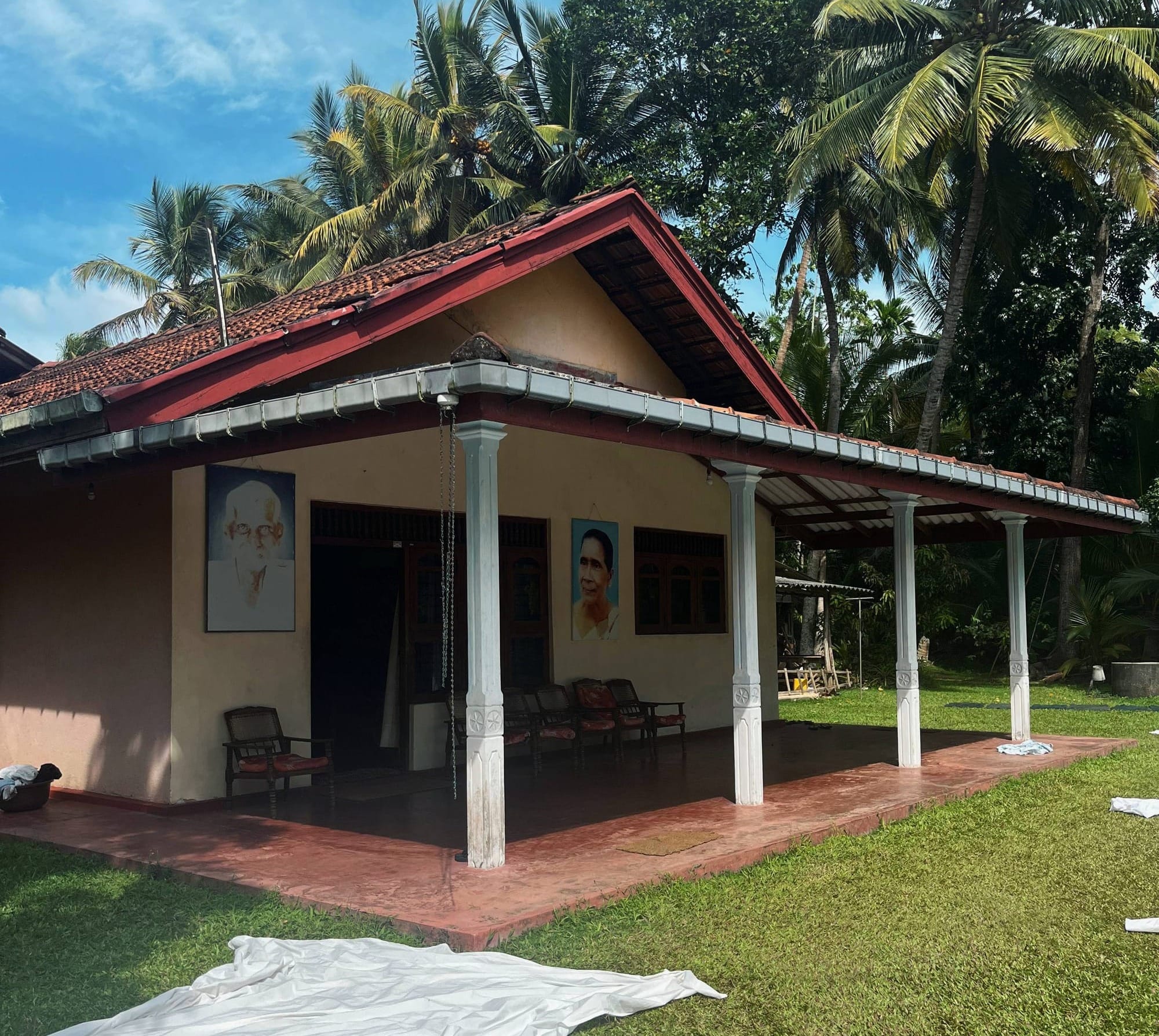
“But after attaining enlightenment, the Buddha encouraged his family to follow his path. My brother never forced us on to his path nor did he try to use his position for our benefit. We never wanted that from him either,” Priyantha tells me at the end of our interview. It’s almost an afterthought, a hurried analysis he wants to express, as I leave the Silva family home in Beruwala.
Continuing their father’s profession as a carpenter, Priyantha gradually improved the family home.
Their mother’s funeral drew the biggest crowd the small village of Mullapitiya has ever seen. Her casket was shouldered by Silva’s comrades in arms.
Kaepakireema as political capital
Young Silva left school in the mid ‘70s to work as a labourer; first at Confifi Beach Hotel in Moragalla, and later, at a hotel in Kandy.