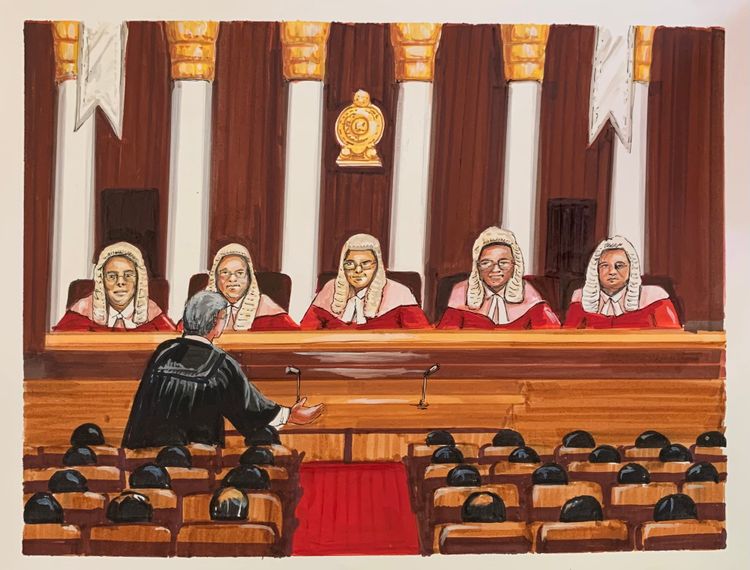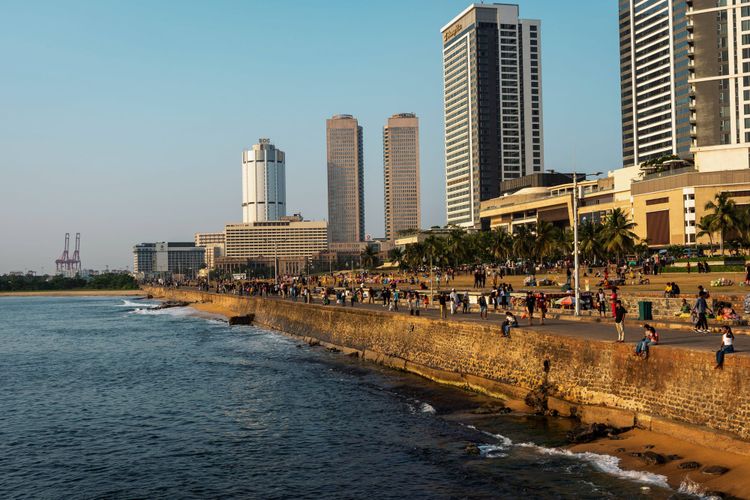
The Central Bank has been briefing President Anura Kumara Dissanayake on the Iran war all week. On Wednesday, they also sent him their initial assessment of the war’s impact on the economy.
In a televised address on Thursday night, Dissanayake said the Central Bank’s projections reflect the conflict’s current intensity, and also two more severe scenarios. “We are making decisions based on their recommendations,” he added.
Officials agree the war’s impact will depend on its duration, coupled with how far it spreads beyond the Gulf. Nandalal Weerasinghe, the Central Bank’s governor, remained optimistic that Sri Lanka’s macroeconomic stability would not be affected.
“Sri Lanka has much stronger [financial] buffers compared to three years ago. [We’re] better positioned in terms of reserves. Obviously our policy is to let the exchange rate reflect demand and supply — that will act as a shock absorber. It’s a key instrument which will insulate us from the full impact,” Weerasinghe told CNBC.
He added that Sri Lanka’s 1.6 percent inflation rate — much lower than the 5 percent target — provides “sufficient space” to absorb inflation shocks from rising oil and food prices.
Chayu Damsinghe, head of macroeconomic advisory at Frontier Research, agrees with Weerasinghe’s outlook. Sri Lanka has been running big fiscal and external surpluses for four years now, he said.
“We haven’t seen both surpluses sustained at the same time ever before.”
Damsinghe argued that rising oil prices will adversely affect the economy, but other factors, like better macro stability, can compensate.
Fuel queues return
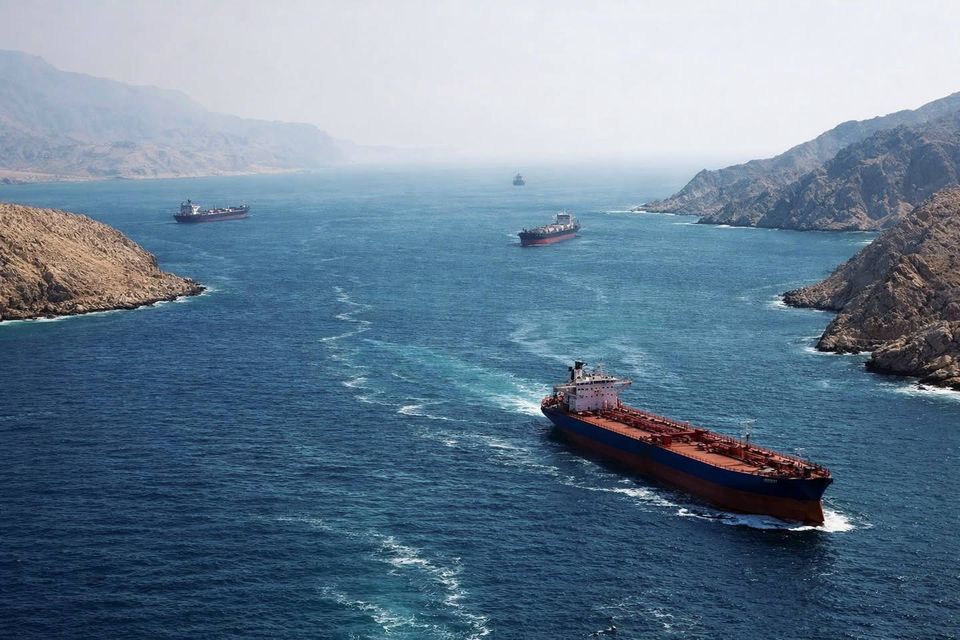
Crude oil prices rose by 8.6 percent since the US bombed Iran last week.
This will almost certainly lead to higher prices for consumers. In the past, fuel prices were set at politicians’ discretion. When oil prices rose, often they wouldn’t increase prices at fuel stations.
The economic meltdown in 2022 put an end to this practice. As the Ceylon Petroleum Corporation’s losses were a cause of the crisis, under the current IMF programme, Sri Lanka sets fuel prices using a formula that allows the CPC to cover its costs. This is the first major oil price spike since Sri Lanka introduced a cost-reflective pricing mechanism.
Sri Lanka’s fuel prices still haven’t changed. The country is running on oil that was imported before the war broke out.
Damsinghe observed that global oil prices peaked at $83 per barrel, but have since backed down to about $80. “Markets seem to think this event is significant, but won’t be a particularly long one,” he reasoned.
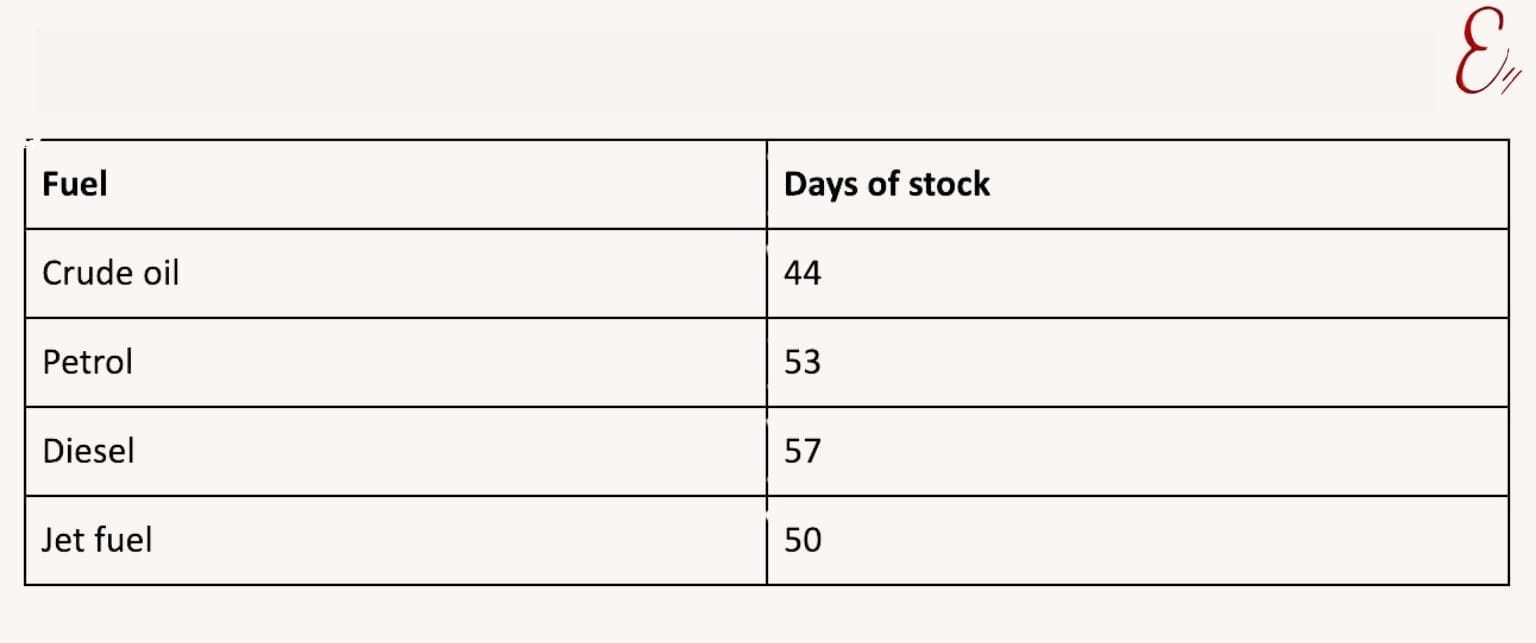
Sri Lanka imports both crude and refined oil. But limited storage capacity means that the country isn’t able to maintain more than around six weeks worth of stock.
Both Dissanayake and S. Rajakaruna, the CPC Chairman, assured the public that new ships will arrive in the next few weeks. With new ships confirmed, stocks are available till the end of April. Pakistan, by contrast, only has ten days of crude oil stocks.
Contingency for crude
According to Rajakaruna, refined oil — petrol and diesel — come from Malaysia, Singapore, and South Korea. Although Sri Lanka imports refined oil from countries that don’t produce crude, Rajakaruna told Ada Derana that it wasn’t a cause for concern. “There’s no need to panic,” he said, adding that stocks have been ordered till June.