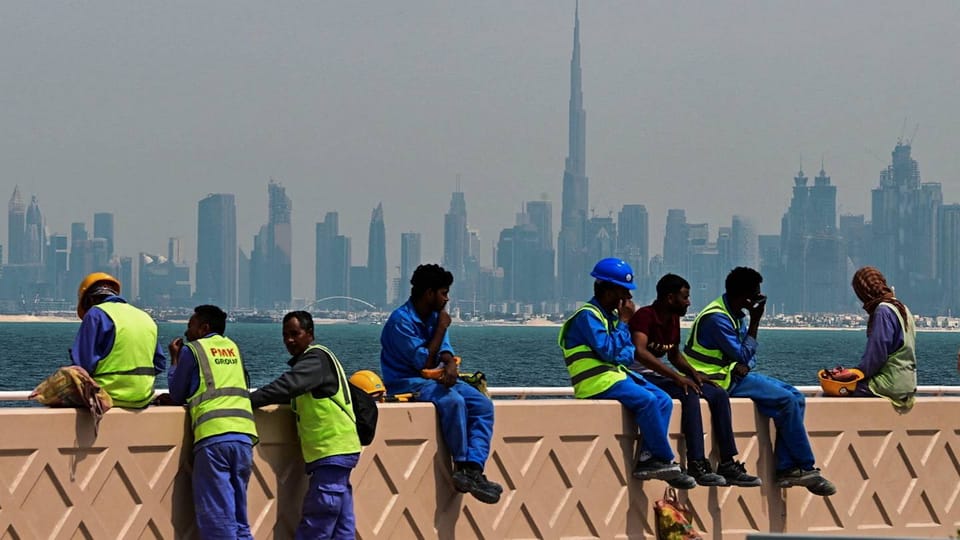
Sri Lankan workers in the Gulf live in uncertainty. The war’s unpredictability is putting their job security and their safety on the line. Yet almost all intend to stay put.
A housemaid in Kuwait, Nilu Athukorala, hasn’t remitted her March salary to Sri Lanka. She isn’t even depositing it in the bank — keeping it in hand “just in case of an emergency”.
One reason why she’s holding on to her money this month is because she doesn’t think her employer would pay for her flight home. Normally, they do so, but with ticket prices skyrocketing they aren’t as willing.
“Unless the Sri Lanka government and the Kuwaiti government intervene to send us housemaids back, we won’t have an option if things get worse. No employer would give us money to meet the higher costs of going back home now.”
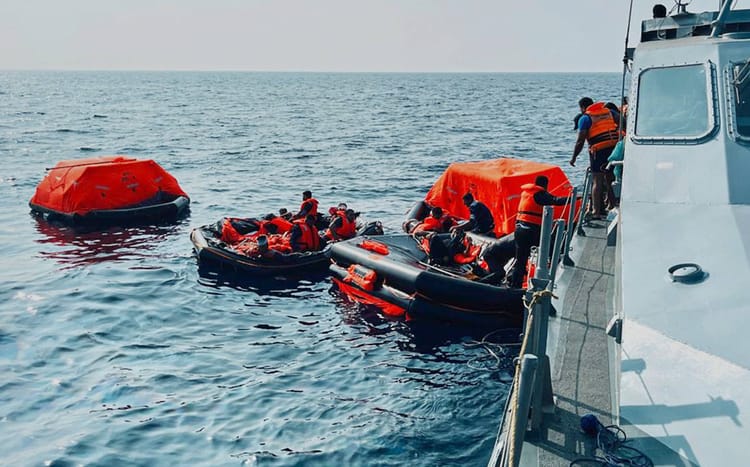
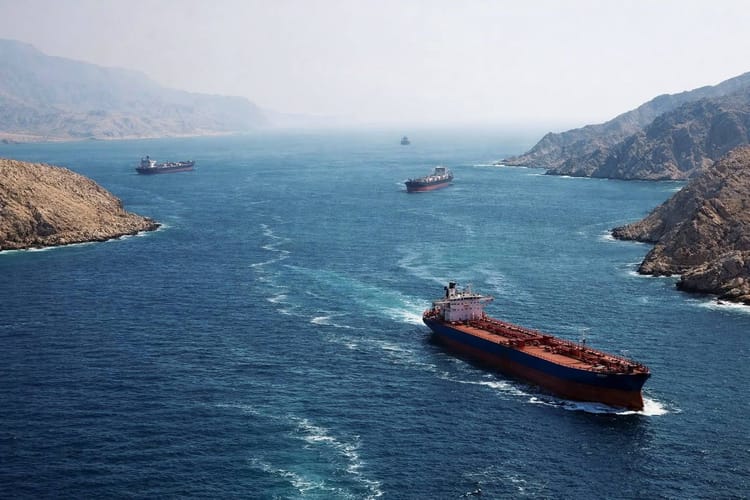
Kuwait’s airport is closed, having been hit several times by Iranian missiles since war broke out at the end of February. Sri Lankan workers who want to leave have only one option: taking a bus to Saudi Arabia, and then taking a flight to Sri Lanka from there.
Government data records over a million Sri Lankans in the Gulf. This figure includes both workers and other Sri Lankan nationals, like spouses and children. A study estimates that 650,000 Sri Lankans work in the Middle East. A quarter work in Kuwait alone, according to Lakshitha Ratnayake, the Sri Lankan Ambassador to Kuwait.
About 90 percent of Sri Lankans in Kuwait are on two- to three-year work contracts, the ambassador adds. Workers with contracts ending this month were stuck when the airport closed, so the embassy helped arrange Saudi Arabian visas. About a hundred workers left this month via this route, and another seventy to eighty are waiting for their Saudi visas.
Despite the risks, Athukorala doesn’t plan on returning home soon. She hasn’t heard of any Sri Lankan casualties yet, and family back home are dependent on her earnings. She has no prospects in Sri Lanka, so she’s hoping to wait out the war.
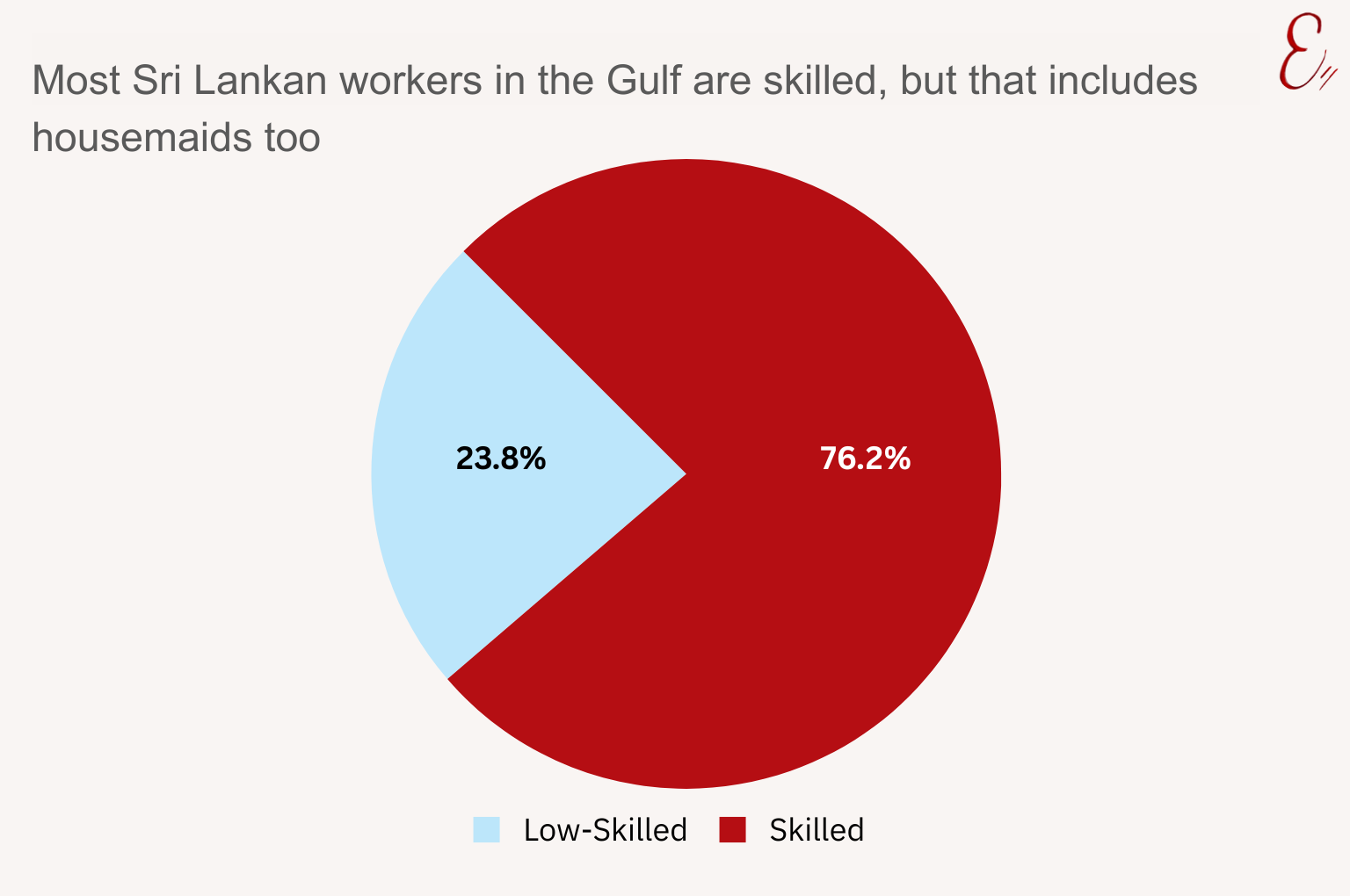
The Gulf’s earning potential has attracted Sri Lankan workers for decades. Although domestic work was historically the most common occupation, Sri Lankans, especially in recent years, have been increasingly seeking work in a range of industries like hospitality, IT, and banking.
Job loss
The US-Israel-Iran war has hit some sectors worse than others. The Examiner spoke to fifteen workers in Dubai and the rest of the Gulf on the condition of anonymity — Gulf countries impose censorship, especially during wartime.
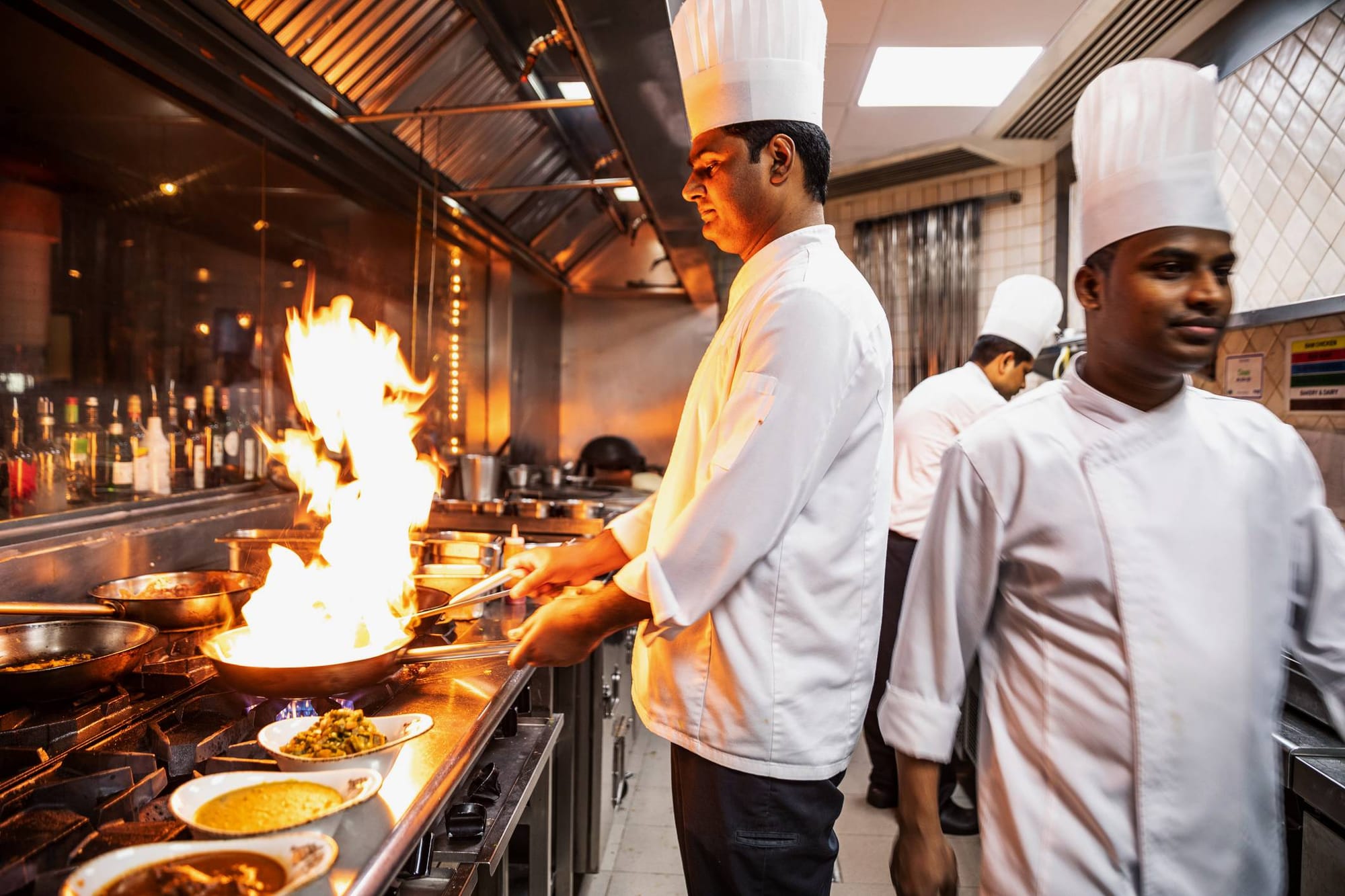
Hassan (name changed) works as a senior butler at a leading Dubai hotel. He’s part of the permanent cadre, yet was asked to take a thirty-day vacation. Once the thirty days are up, if the war persists, he’ll be on indefinite unpaid leave.
He’s back in Colombo, and is job hunting. Although a Sri Lankan hotel offered him a job, he’s reluctant to take it up — hoping to earn in Dubai for a few more years. Hassan says he’s privileged, has savings, and comes from a comfortable family background, all of which help him ride out this crisis.
But workers on probation, and some more junior permanent staff have been hit harder. The Financial Times reported earlier this month that many hotel staff in Dubai are on unpaid leave this month. They are now anxious about their future in Dubai — especially as their visas are linked to their jobs.
Waiters and baristas on leave in Sri Lanka when the war began are also scared of losing their jobs. With flights postponed or cancelled, they have only a handful of ways back to the Gulf. Their main fear is being replaced or being let go.
Taxi drivers in Dubai still have their jobs. But their earnings are much lower than before the war started. Vimukthi (name changed), working on commission, collects about 10,000 dirham, or 1.7 million rupees in fares a month, of which about 470,000 rupees is his income. From this salary, 94,000 rupees reverts to his employer –– repayment for his Dubai driving license fees and other ancillary costs his employer paid for when he first moved to Dubai.
The war is keeping people at home, and Vimukthi’s fares this month dropped by a third. He’s worried about what this lower fares will mean for his salary.
Nimal (name changed) works in entertainment in Kuwait. His company, which hasn’t had any work since the war started, is cutting salaries from this month.
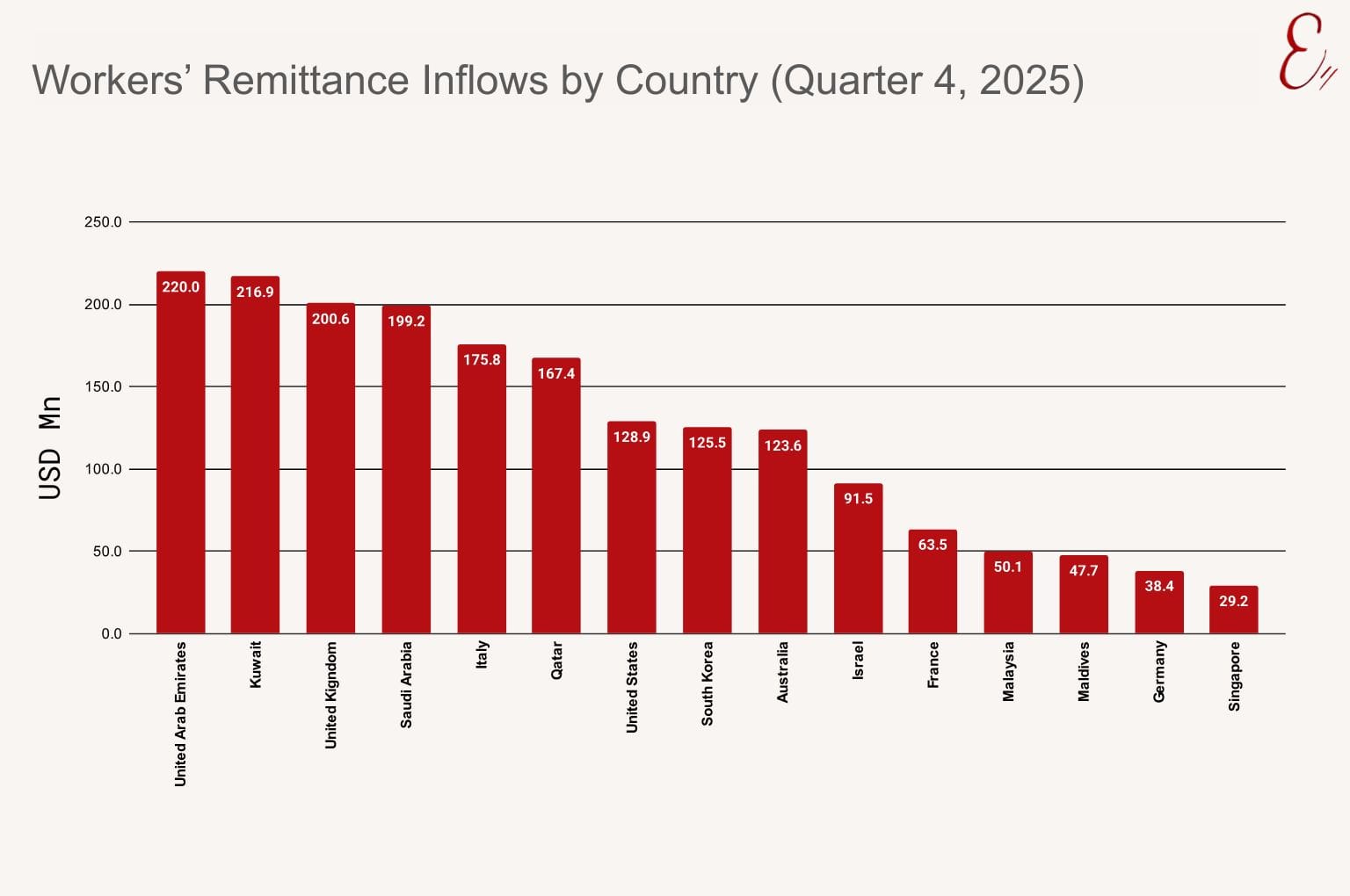
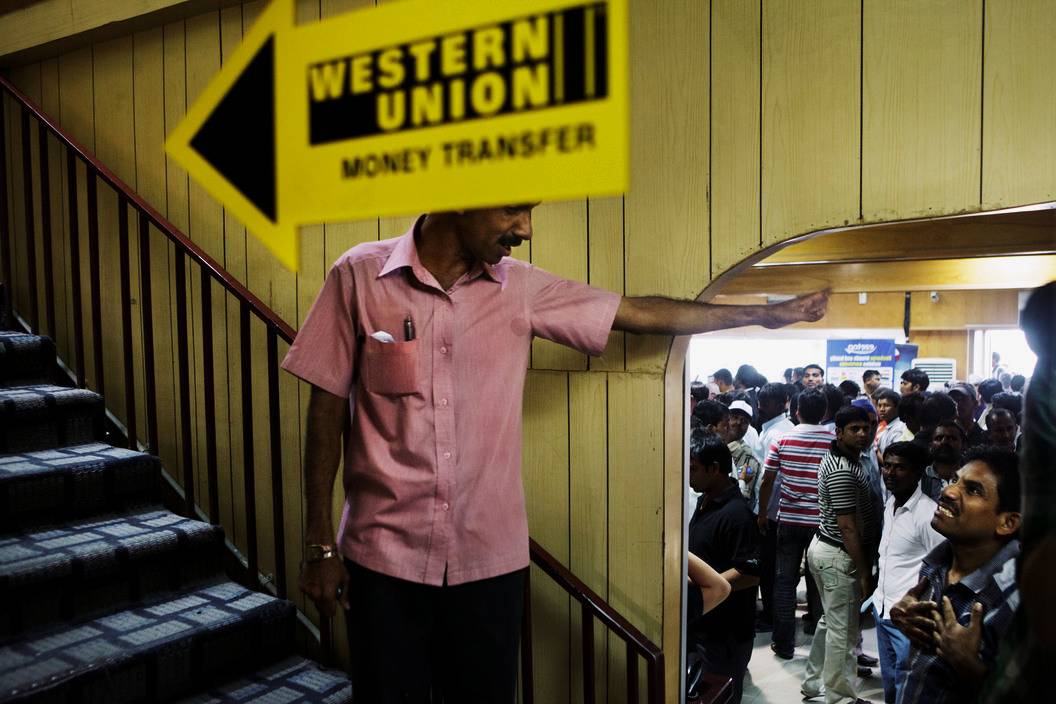
Sri Lanka’s economy — just beginning to recover from the economic crisis — is heavily reliant on migrant remittances. Remittances were $8.1 billion last year, growing by 23 percent compared to 2024. This figure is nearly half of Sri Lanka’s goods and services exports which in 2024 was $18.9 billion.
The highest remittance inflows were from the UAE and Kuwait.
Koshala Wickremasinghe, the foreign employment bureau chair, believes there will be a “slight” decrease in remittances this month due to the war. “Some won’t be able to go to banks to deposit cash, some may be trapped, which can affect remittances. The effect can only be properly analysed in three months,” he adds.
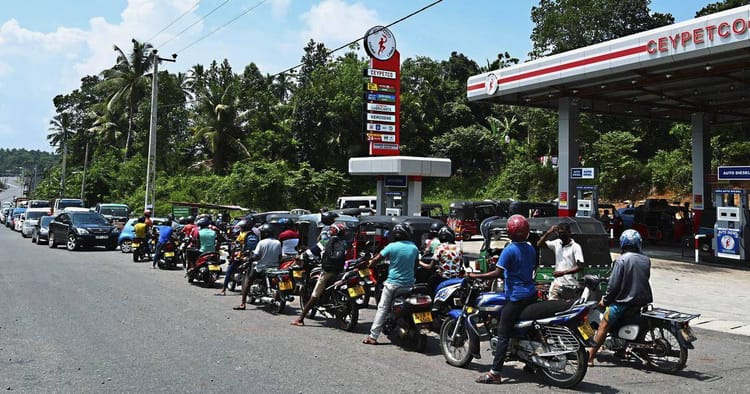
The experiences of housemaids like Athukorala who haven’t remitted their income this month, and hospitality industry workers who’ve faced income losses, corroborate this prediction. If the war continues in the long-term, this could spell trouble for the island, especially as lower remittances will be accompanied by higher oil prices.
Meanwhile, Sri Lankan missions in the Middle East have set up 24/7 hotlines to address workers’ concerns. Ratnayake, Sri Lankan ambassador to Kuwait, says the embassy receives about a hundred phone calls every day from workers worried about their security.
“They have a fear in their minds because frequently we can hear siren sounds and also we can see incidents are taking place very badly [like the airport’s oil tanks being hit].
He’s also told his officers to make statements “just to heal them as it’s very important to look after their mental health.”
In the past, when conflict erupted, embassies harboured some stranded workers. However, if the situation worsens, Ratnayake notes that the embassy can’t accommodate thousands of people. They’ve been relaying information about the Kuwaiti government’s migrant worker shelter arrangements.
Taxi drivers like Vimukthi have another worry. His employer has his passport –– he’s bound to his employer for advancing his startup costs in Dubai. He’s scared he won’t be able to make a quick exit if the war worsens, as he’s dependent on his employer’s consent for his travel.
The foreign employment bureau’s emergency evacuation plan was formulated in 2012. It’s reviewed annually. Wickremasinghe claims evacuating all Sri Lankan workers in the Gulf will cost the bureau about $30 million, which comes to about $46 per worker.
During last year’s skirmishes in the region, the foreign ministry and defence ministry in Colombo pulled out the plan for review. This year, the authorities haven’t felt the need to do so yet. “We hope war will be resolved in a week or so this time,” Wickremasinghe said. India and the Philippines have already offered their workers the option of repatriation.