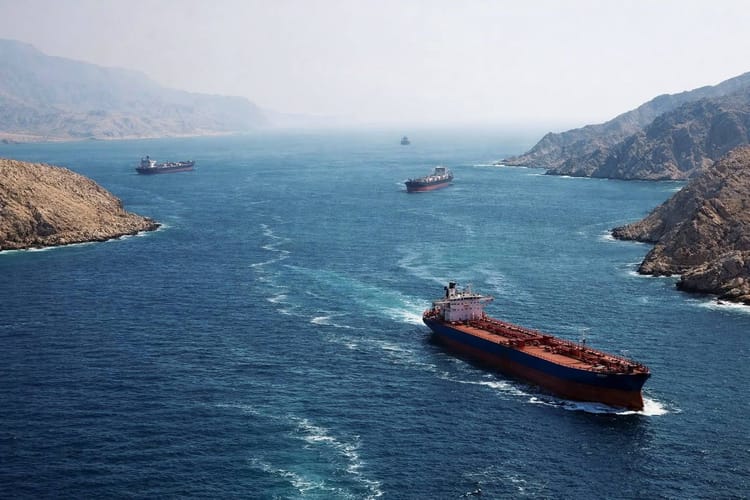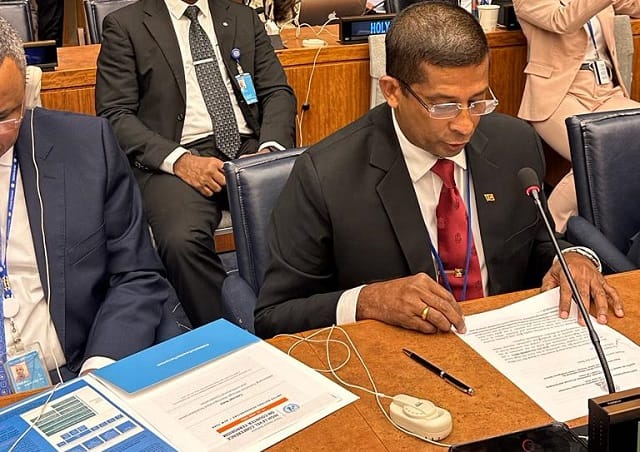
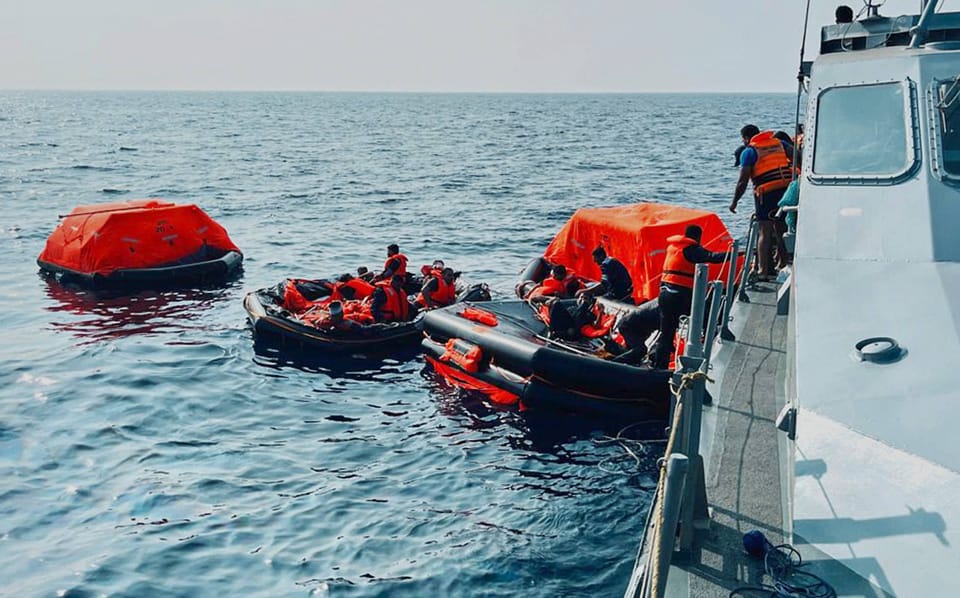
On Wednesday morning last week — soon after the US torpedoed their warship, the Dena — Iran asked Sri Lanka if the Bushehr, a naval auxiliary vessel, could dock at a Sri Lankan port. This request, which came amidst the rapidly-escalating US-Iran war, became the government’s first major diplomatic test. Nearly two days later, on Thursday evening, the Bushehr was allowed entry into Sri Lanka’s territorial waters.
The government was still debating a previous request made by Iran on 26 February for three of its ships, including the Dena and Bushehr, to visit Sri Lanka between 9 March to 13 March to “enhance cooperation.”
Sri Lanka, a neutral country, maintains close ties with both Iran and the US. The challenge was preserving Sri Lanka’s neutrality. President Anura Kumara Dissanayake explained that the decision to allow the Bushehr to enter Sri Lankan waters was based on international law — which permits neutral states to host belligerent vessels.
But it’s unlikely that legality was the only consideration.
Politics and economics
“The government would have consulted with our friends,” said Prasad Kariyawasam, former foreign ministry secretary. He was also ambassador to the US and India.
Kariyawasam emphasised that Sri Lanka’s “number one” priority would have been to protect its commercial interests as a shipping hub. Key countries with an interest in the Colombo port operations include India, China, America, and the EU.
“Its very important that we don’t upset any of our friends.”
So far, these commercial interests appear to have been protected. Rohan Masakorala, a shipping expert, confirmed that shipping insurance premiums have not risen after the attack on the Dena.
Kariyawasam thinks the government spent time making a decision about the Bushehr as it was carefully considering its options. But Y.N. Jayarathna, former Navy chief of staff, sees the nearly two day-long decision as the government dragging its feet.
The Bushehr was granted permission to enter Sri Lankan waters on 5 March, a full day after the torpedo attack on the Dena. Iranian officials were upset by the hesitation.
But the government maintains that relations with both countries remain intact. Despite America’s lack of warning to Sri Lanka about the attack, Aruna Jayasekara, the deputy defence minister, said “we are not upset.”
“Our agreement with them is only for training purposes, nothing more,” says Jayasekara.
Sri Lanka and the US are party to a logistics agreement, which governs, among other things, military access to ports for refueling and maintenance. A 1996 Status of Forces agreement, on the treatment of US military personnel in Sri Lanka for official duties, also remains in place. Last year, the two governments signed an MOU on military training.
There is broad consensus that there are legitimate legal grounds for the Dena’s sinking. According to laws of war, the vessel is a legitimate target, and the location — in international waters despite proximity to Sri Lanka — makes for fair play under the law of the sea. However, it may not be legal under the UN Charter.
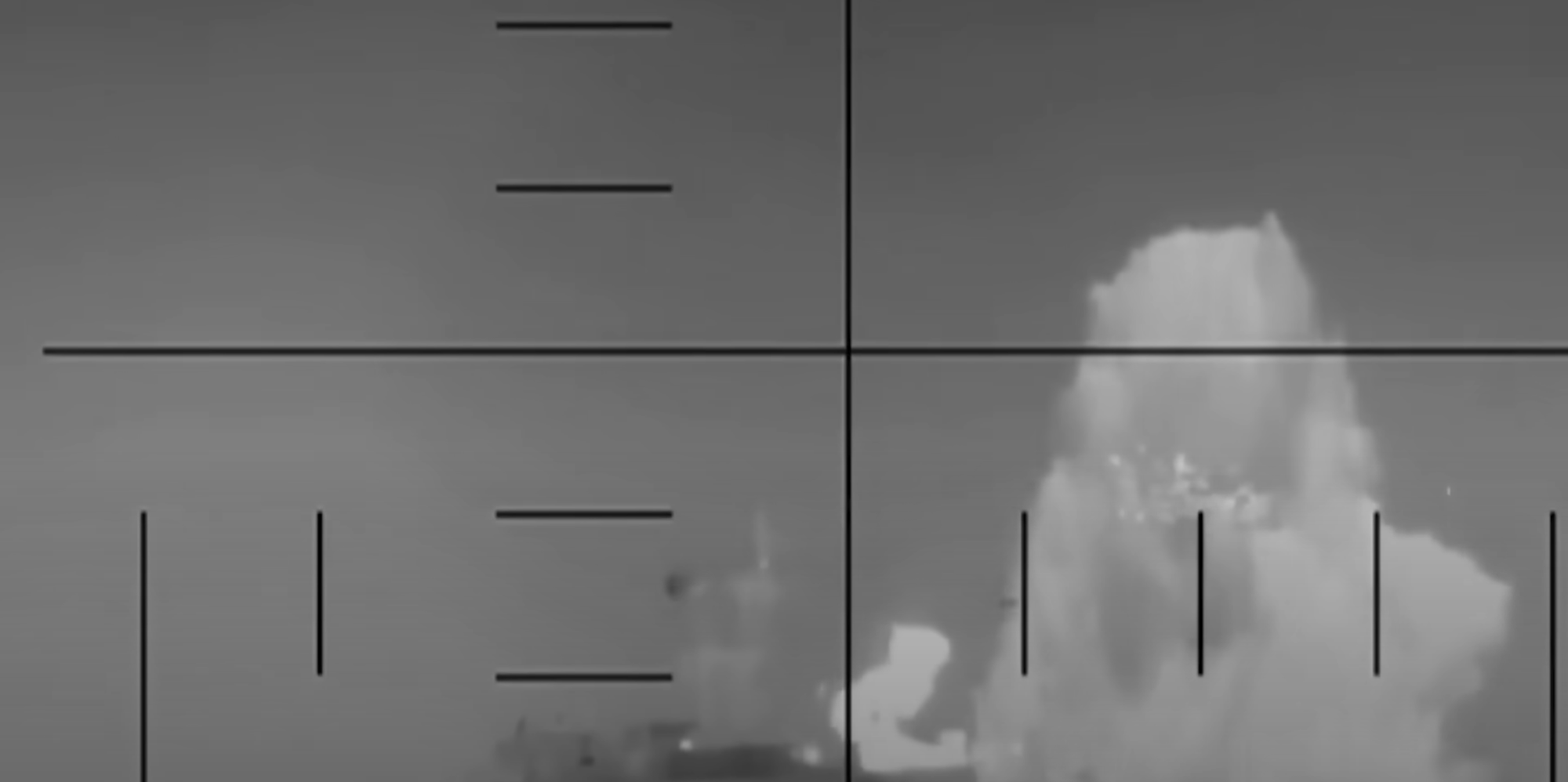
The contiguous zone extends 24 nautical miles into the sea and falls under the coastal state’s “customs, fiscal, immigration or sanitary laws.”
“One could argue that [the attack] is not in the spirit of the law,” said Kariyawasam. During passage through such waters, some countries don’t opt for hostile actions. “Whether it’s right according to the spirit of the law is a question mark.”
To investigate, or not?
Jayarathna believes that Sri Lanka must investigate the incident, and do so quickly as survivors might change their stories. He called on the government to immediately begin interviewing survivors, analysing footage, and requesting international assistance for maritime surveying equipment.
He said such investigations should take place with the ambassador of Iran, as the flag state. Conducting an investigation is important for Sri Lanka’s reputation, and to establish internationally that the country is able to handle maritime issues, he argued. “They should be halfway through investigations by now.”