Fuel stocks currently on the island are only enough for the next twenty five days, Mayura Neththikumarage, the Ceylon Petroleum Corporation, or CPC’s, managing director told The Examiner yesterday evening.
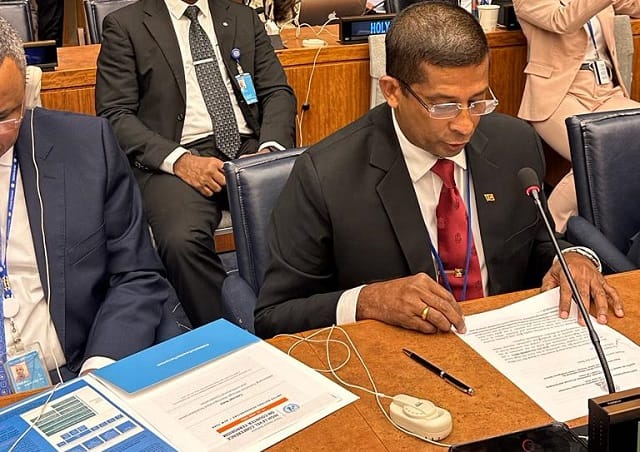
Speaking in parliament today, President Anura Kumara Dissanayake confirmed five new fuel orders: one ship carrying petrol, two carrying diesel, one carrying fuel oil, and one carrying jet fuel. Neththikumarage predicted these additional stocks, if they arrive on time, will last till the beginning of June.
Further, a crude oil tender was called for April but was unsuccessful as not a single company had bid for it. A tender for June has been awarded. Neththikumarage confirmed this is for 90,000 metric tonnes from America. Petroleum corporation tests earlier this month confirmed that the Sapugaskanda refinery can run American oil, The Examiner reported.
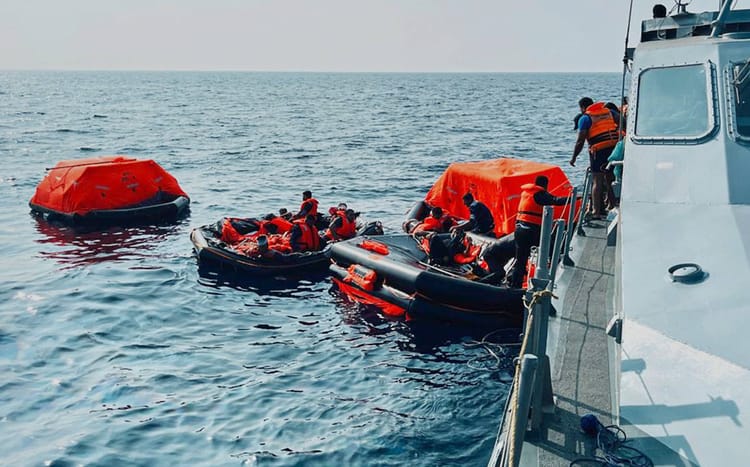
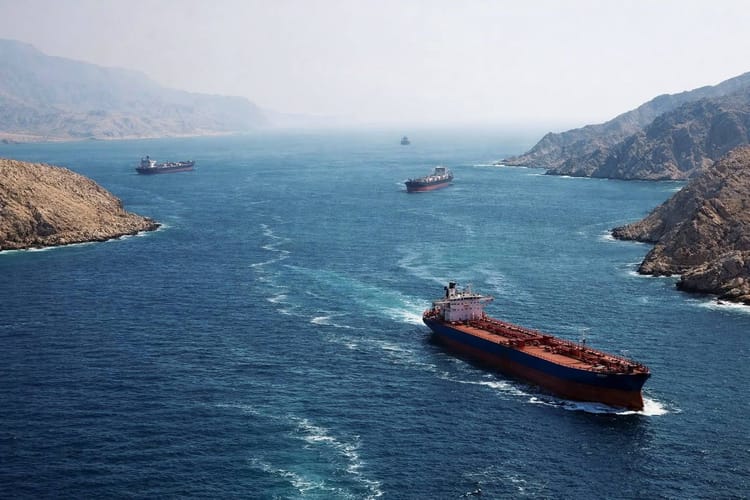
The president also confirmed that previous shipments of crude, petrol, and diesel remain delayed. The crisis arose from the delay of two ships from Fujairah port, carrying 180,000 tonnes of crude oil in total. A quarter of the island’s petrol requirement, about half the diesel requirement, and all the fuel oil we use — needed for about a fifth of electricity generation –– comes from oil refined at Sapugaskanda.
“If we cannot fulfill requirements through crude oil refining, we will import refined oil instead,” said Dissanayake.
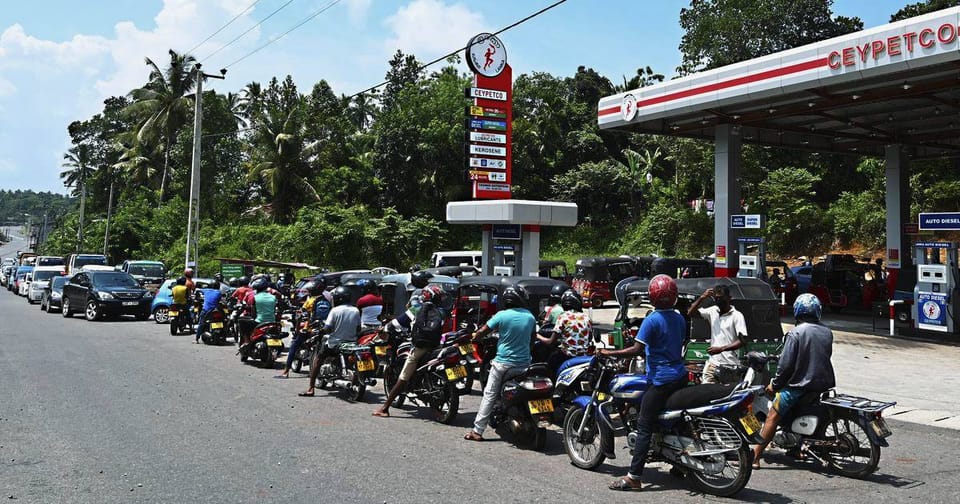
In the first ten days of March, consumption was one and half times higher than normal. Fuel meant to last for half of the month was sold at sheds in ten days, Janaka Rajakaruna, the CPC chairman, told The Sunday Times. Sri Lankans pumped 58,000 tonnes of diesel and 47,000 tonnes of 92 octane petrol, in those ten days.
Fuel distributors complain of the panic buying, saying that fuel sheds would have had adequate supply all month if not for the rush to the pumps. Sinopec and Shell, private players in the market, were unable to keep up with the increased demand, and some sheds closed earlier this week.
Server queues, QR queues
To curb panic buying and limit fuel hoarding, the CPC dusted off its economic crisis era QR rationing system last Sunday. The quotas were introduced to stabilise stocks, said Neththikumarage.
Many users complained the QR system didn’t work, encountering many technical issues. Those who had changed their vehicle or phone number after 2022 were unable to get their QR code, causing havoc at the stations. Others claimed they were simply unable to download their QR code.
Asela Waidyalankara, a cybersecurity consultant, thinks the problem is probably with the data. “The motor traffic department is the custodian of the data. Like all government agencies their digital readiness is questionable,” he explained. “So new registrations would have come in and are reflected on paper, but not on the digital systems side. So the app interface can’t retrieve the updated data.”
The bugs related to 2.5 million records, not the majority, said digital economy ministry secretary, Waruna Sri Dhanapala. Sri Lanka had 8.8 million vehicles as of end-2025, including motorcycles.
The 2.5 million outdated records were deleted this week, allowing those with new vehicles or phone numbers to reregister.
The QR code should have been prepared earlier to iron out issues before rolling it out, says Waidyalankara. Sri Dhanapala says they have been preparing since the start of the war, adding that the issues were with both database and infrastructure — like the sheds, queues emerged in the server due to an overload of requests.
Petrol stations resorted to selling nominal amounts of fuel, around a thousand rupees worth, to those with technical issues on humanitarian grounds, said Kapila Naotunna, joint-secretary at the main shed owners’ association.