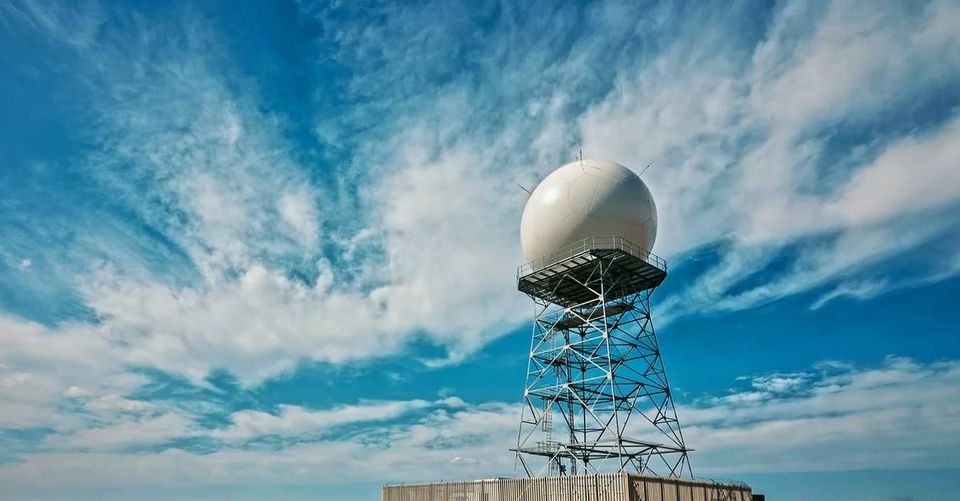
When Cyclone Ditwah hit, Sri Lanka didn’t have weather radar—essential for modern cyclone forecasting. The government approved funds for radar in 2006. But the meteorology department expects its first operational radar, in Puttalam, to come online in 2027 – two decades late.
According to JICA, the Japanese aid agency funding the Puttalam radar, radar is the single most important feature in improving forecasting. “A meteorological radar system is the only system able to observe, in real time, the occurrence, movement, distribution and intensity of rainfall”.
They say radar is indispensable for flood and landslide prediction, which are often triggered by localised, intense rainfall not captured by satellite imagery. But without weather radar, we don’t have this data.
Parliament’s Ways and Means Committee noted that the meteorology department, or met department, “although able to predict rainfall, has no facility to accurately quantify the rainfall due to the lack of a doppler weather radar.”
As last week’s Headline reported, many lives could have been saved during Cyclone Ditwah if reservoir managers, emergency alert systems, and the landslide warnings agency had access to radar data.
Failure after failure
Sri Lanka has no weather radars - either pre-doppler or doppler radars, confirms Meril Mendis, head of weather forecasting at the department.
This wasn’t always the case. In the 1980s the met department operated a radar in Trincomalee, which could “forecast warnings on cyclones developing in the Western Bay of Bengal and their paths 30 minutes ahead of striking Sri Lanka’s sea shore.” It broke down and was repaired in 2005. “Thereafter, no repairs had been done; it had remained idle,” found an auditor-general’s report in 2010. Since then Sri Lanka hasn’t had a functioning weather radar.
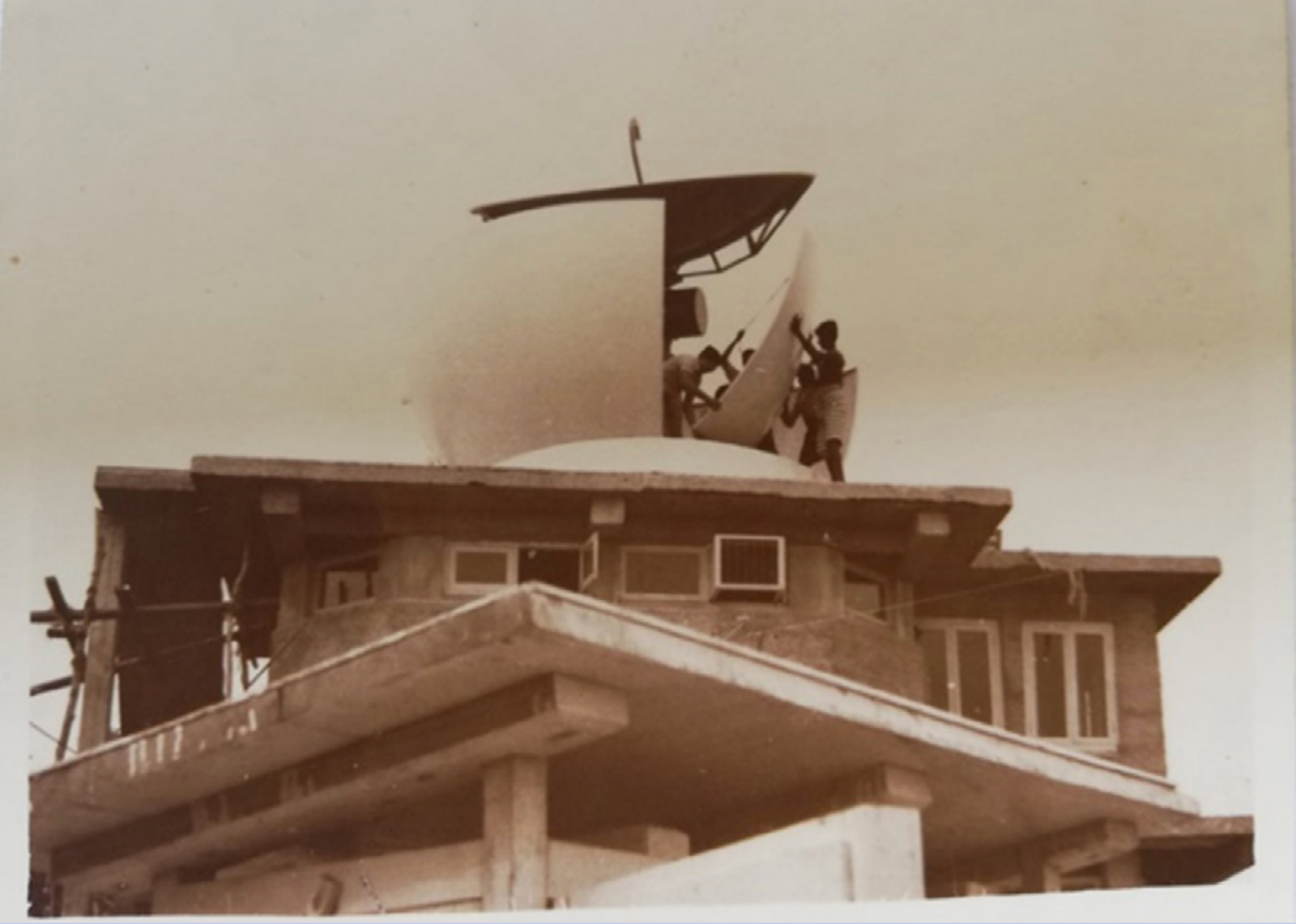
In more recent years, the met department’s first attempt to install a doppler radar was initiated in 2006 and formalised through a trust fund with the World Meteorological Organisation in 2007. But it never came to be. The project, situated at Gongala in Deniyaya and costing 403 million rupees, was abandoned entirely.
Auditor-general and parliament public accounts committee reports reveal systematic negligence.
First, inadequate consultation in site selection and lack of a proper feasibility study - the chosen site didn’t have a proper access road. Second, inadequate testing of the radar before it was shipped from the factory. Third, inappropriate storage, transportation and later maintenance that led to damage. Fourth, theft of key parts worth millions of rupees. Ultimately the radar was installed but wasn’t fully operationalised (see box below for details).
The auditor-general recommended that losses should be recovered from the officers responsible, but did not name names.
And parliament’s public accounts committee flagged the met department as one of the least efficient government institutions.
The twin towers
The second attempt was in 2017. JICA donated funds for two doppler radar stations, in Puttalam and Pottuvil. Again, similar issues arose, land acquisition was “being carried out in very slow manner.” Then the pandemic and economic crisis hit, delaying the project further.
During the delay, equipment prices rose, so JICA’s funds weren’t enough to pay for two radars, the met department told the public accounts committee in 2023. The government decided to drop Pottuvil, limiting coverage of Sri Lanka’s South-Eastern seas, which is where Ditwah ultimately developed.