
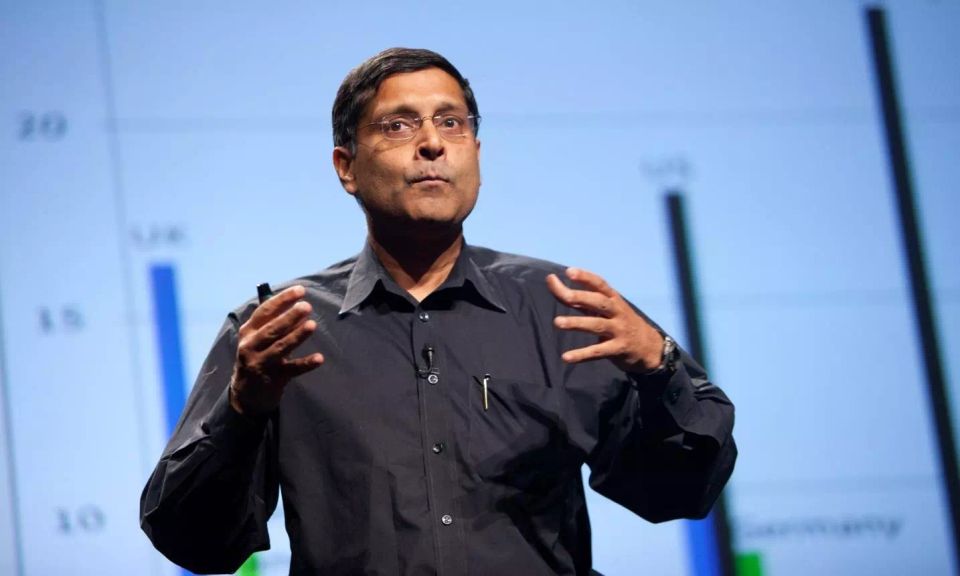
Arvind’s opinions are his own. Click here for the presentation that accompanied the talk.
For Arvind Subramanian, former chief economic adviser to the Indian government, the true test of Sri Lanka’s recovery from the economic crisis isn’t found in today’s stability, but in the country's future collective memory.
Addressing The Examiner’s first event, held last week , Subramanian argued that successful nations—from Germany to China—have largely built their modern institutions by "searing the memory" of past traumas into their national consciousness.
"Sri Lanka needs to have a collective memory of this crisis so that you don't repeat the same mistakes," he warned. The massive drop in the standard of living experienced recently must become a permanent institutional guardrail, ensuring that the state never again returns to the fiscal irresponsibility that led to collapse.
Subramanian’s lecture, "Lessons for Sri Lanka from India’s Development Odyssey," went beyond the usual macroeconomic models to address why Sri Lanka’s early social successes were undermined by decades of instability.
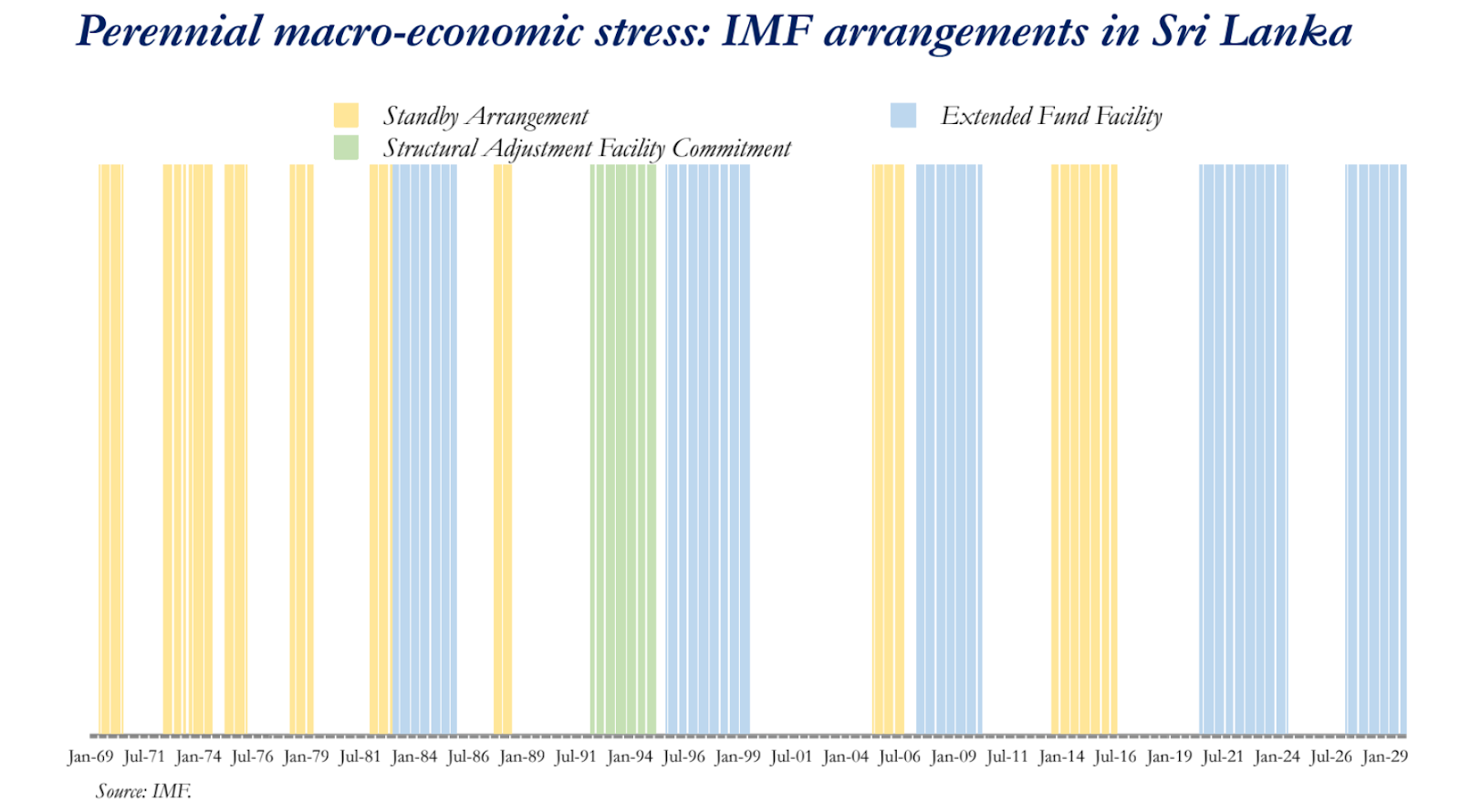
He presented a "haunting" statistic: since independence, Sri Lanka has spent over 60 percent of its time under an IMF program. By contrast, India hasn’t had an IMF programme since 1993.
In India, Subramanian argued, the median voter is poor and acutely sensitive to price increases. This has created a political "iron rule" where inflation above 5 percent generally leads to electoral defeat. This democratic pressure acted as a stabilizer, forcing Indian governments to prioritize price stability. In contrast, Sri Lanka—despite being an older democracy with universal suffrage since 1931—has faced consistently higher inflation and a frequent need for external bailouts.
A recurring theme was the "weak fiscal state." Subramanian called both countries "Kamadhenu" states—referencing the mythical bovine goddess of Indian mythology that provides unlimited milk. In a democratic context, this manifests as a state that attempts to appease every interest group through subsidies and tax exemptions.