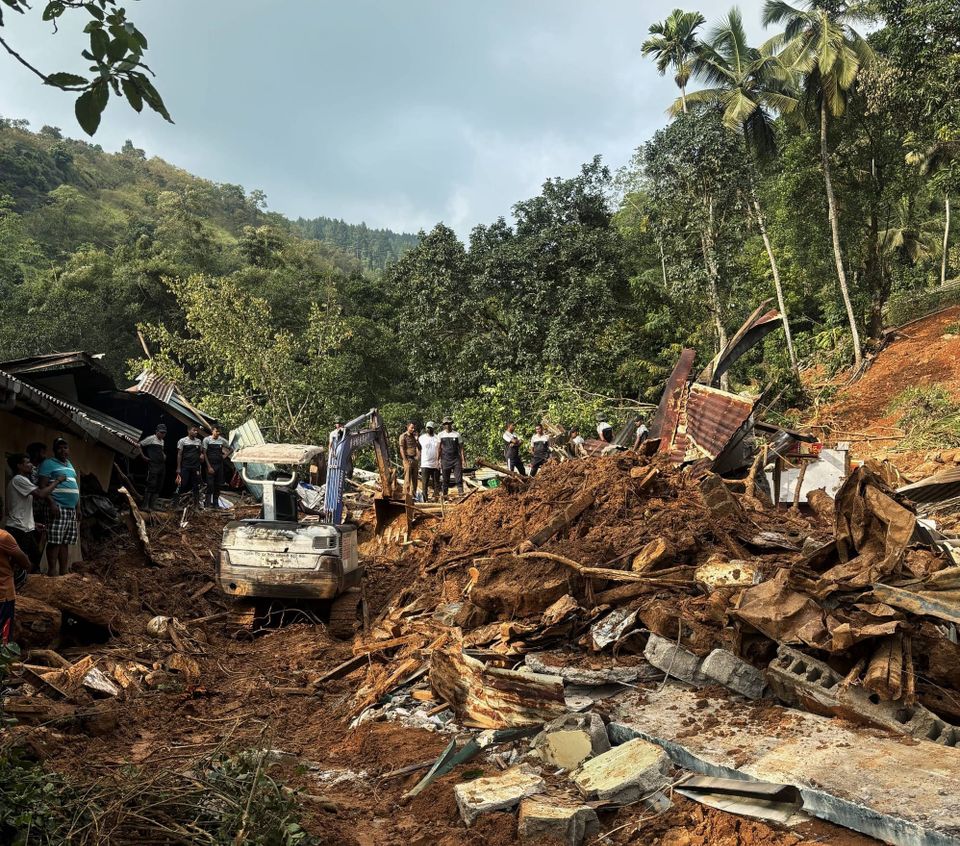
341 people are still missing from Cyclone Ditwah, and the death toll has reached 486. Entire families have been wiped out. The morgues are filling with unidentified victims.
While the cyclone may have passed, indirect deaths, from waterborne diseases and lack of access to critical medicine are only just beginning.
Vulnerable groups include elders and pregnant mothers. Over 40,000 pregnant and lactating mothers are among the affected, according to UN estimates. In some districts, like Jaffna, pregnant mothers were pre-emptively evacuated to hospitals. But especially in the worst affected central province, many are still in shelters. Nutritional supplements are sparse.
Another major concern is waterborne diseases like cholera and rat fever. Already at least two people have died from rat fever in one district alone. .
The Ministry of Health is asking the public to obtain free prevention drugs. Dr. V. P. S. D. Pathirana, Northern Province Director of Health, is encouraging people to thoroughly clean their wells and is dispensing chlorine to sanitise private water supplies. Aquatabs, a water purification tablet supplier, confirms new stocks will arrive on the island early next week. Midwives are visiting shelters to guide mothers.
Infrastructure
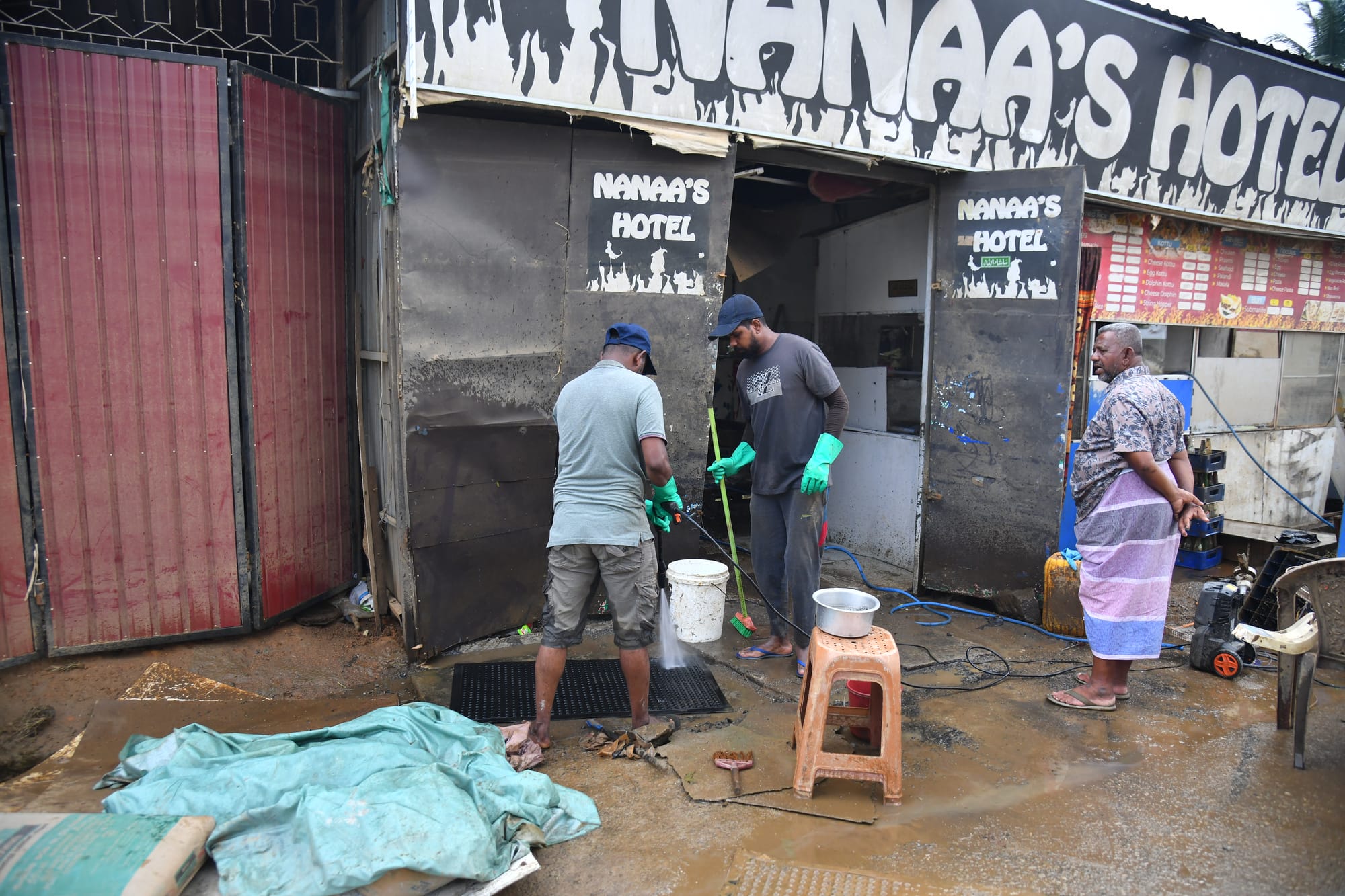
In areas where the water has cleared up, people have started to return to their homes. Many are damaged or completely destroyed. In some areas, people evacuated at the last minute, with no time to secure their valuables. They will be restarting from scratch.
The government has committed 25,000 rupees to help restore damaged homes to habitable condition. Data is still being collected. But so far, over twenty thousand houses have been partially damaged and 565 are completely destroyed.
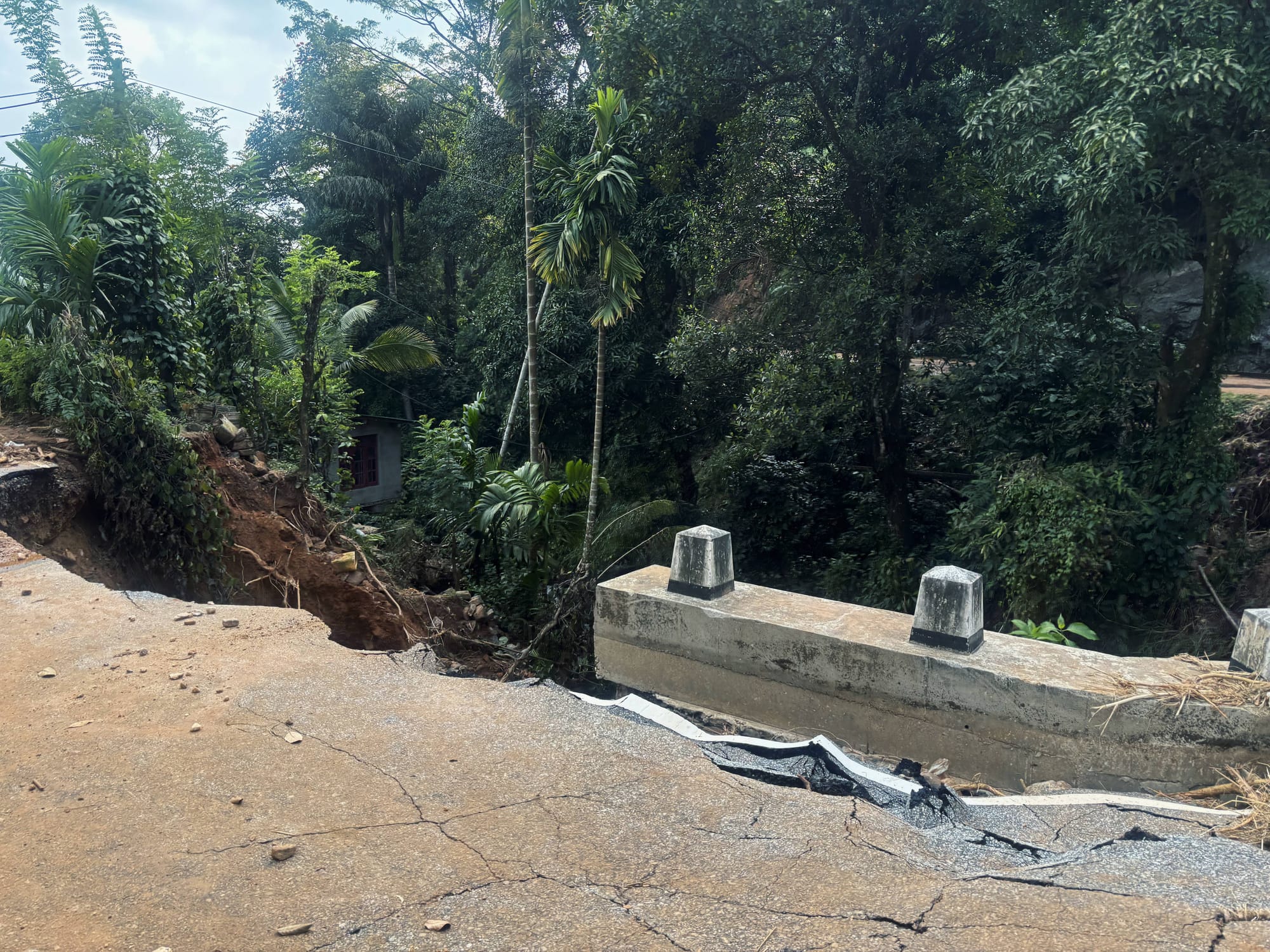
One of the key priorities is road clearance and repair. Blocked roads prevent relief deliveries from those in isolated villages. Even where people aren’t cut-off, because of landslides, they are walking for hours to cover short distances.
Roads are also a priority to re-start businesses. An official at the industries ministry said that three quarters of businesses are operating – but at a low capacity, primarily because staff are unable to travel to work..
According to the DMC Rapid Assessment, 78 major roads and 15 bridges are damaged or impassable. Some roads have been cleared but many will need intense repairs and are likely to take time.
Hendry Disanayake, head of the Uva Provincial Road Development Authority estimates that repair of just Uva provincial roads and bridges will cost 3.6 billion rupees and take up to two years. “Currently we are just trying to make them passable, but we will have to do proper repairs and add supporting structures,” he said. 35 percent of provincial roads in Uva were damaged, as well as 18 bridges.
The CEB has restored power to 85 percent of affected customers. 90 percent of damaged telecom networks, which were down due to flooded towers and fibre cables ripped up during the cyclone, have been restored.
The World Bank is assessing the damage caused by Ditwah, and is expected to complete an initial report in two weeks and detailed one in six weeks.
Food security and exclusions
Hundreds of thousands of paddy fields were inundated with water, as have other field crops and vegetables. Vegetable stocks from Badulla and Nuwara Eliya are rotting.
One and a half million people are in districts that are now food insecure. CAL, an investment bank, expects there to be a sharp rise in food prices. They forecast a 26 percent increase in food inflation. Food imports are also likely to rise. Economy Next reported that the government is looking at relaxing certain import regulations to enable the food supply to continue uninterrupted.
“Continuation of elevated pricing will depend on replanting cycles and subsidies provided to stabilise production levels, although imports will meet essential gaps,” they write.